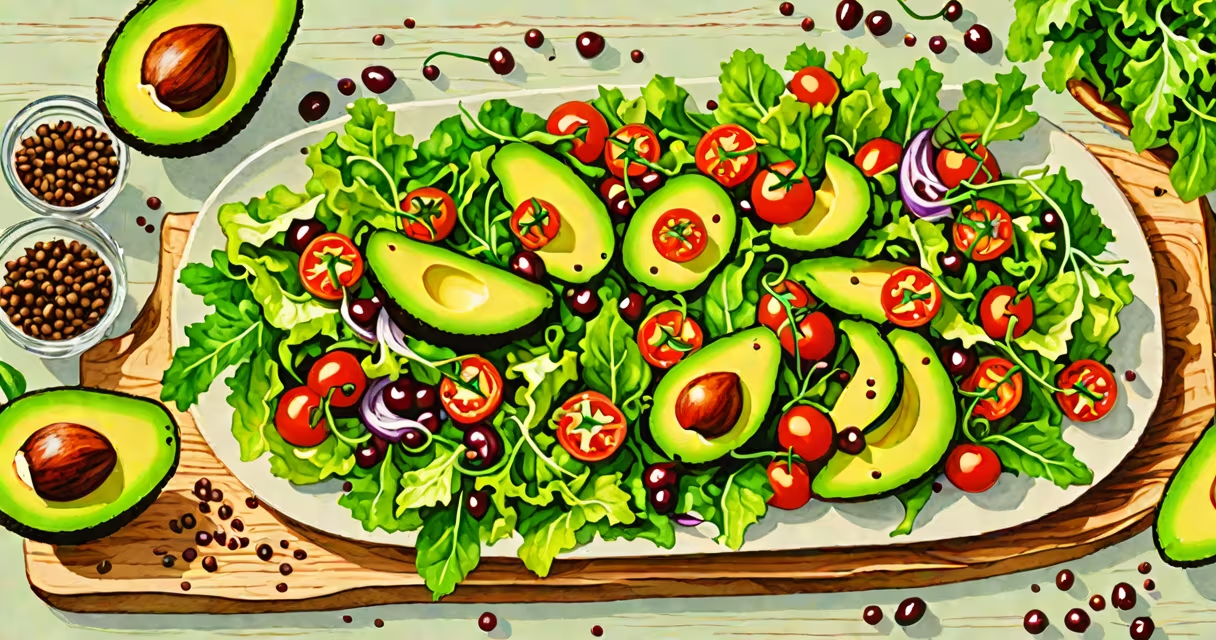
Alkaline recipe ideas are meal concepts centered on foods that promote a higher pH in the body's internal environment, primarily through plant-based ingredients like leafy greens, fruits, nuts, and legumes. These recipes aim to support metabolic balance, reduce inflammation, and improve long-term wellness by emphasizing alkalizing nutrients such as potassium, magnesium, and calcium.
The concept stems from the idea that certain foods leave behind alkaline ash after metabolism, while others produce acidic byproducts. While the body tightly regulates blood pH within a narrow range (7.35-7.45), dietary choices may influence urinary pH and cellular health. The goal of alkaline recipe ideas is not to alter blood pH-this is biologically impossible-but to support systems that maintain homeostasis.
According to the National Institutes of Health (NIH), diets rich in fruits and vegetables are linked to lower risks of chronic disease, including heart disease and type 2 diabetes. The alkaline diet aligns with these findings, though it lacks evidence for altering systemic pH. Still, the focus on whole, minimally processed foods makes alkaline recipe ideas a practical path toward better nutrition.
When you eat food, your body breaks it down into metabolites. Some of these leave behind residues that are alkaline (like citrate from citrus), while others generate acid (like sulfur from animal proteins). Alkaline recipe ideas prioritize foods that contribute to alkaline ash, such as spinach, broccoli, almonds, and lentils.
For example, a single cup of cooked spinach contains about 160 mg of potassium and 50 mg of calcium-nutrients that act as buffers in the body. Over time, consistent intake of such foods may reduce the workload on kidneys to excrete excess acid, potentially lowering risk of bone loss and muscle wasting. A 2013 study published in the Journal of Environmental and Public Health noted that high fruit and vegetable consumption correlates with improved bone mineral density.
Alkaline recipes don't eliminate acidic foods entirely. They encourage shifting the ratio of alkaline-to-acid-producing foods. A typical Western diet produces about 100-200 mEq of net acid daily. An alkaline-focused diet aims to reduce this load by increasing plant intake and reducing processed meats and refined grains.
Alkaline recipe ideas fall into several categories based on primary ingredients and meal timing. Not all are equally effective, and some are more sustainable than others.
| Type | Key Ingredients | Examples | Acid-Alkaline Ratio |
|---|---|---|---|
| Green smoothies | Spinach, kale, banana, chia seeds | Spinach-banana-chia smoothie | ~8:1 (highly alkaline) |
| Grain bowls | Quinoa, roasted sweet potatoes, chickpeas, avocado | Roasted veggie quinoa bowl with tahini dressing | ~5:1 |
| Legume-based meals | Lentils, black beans, garlic, turmeric | Spiced lentil stew with cabbage and lemon | ~4:1 |
| Fruit-forward snacks | Apples, pears, berries, walnuts | Apple-walnut salad with arugula and olive oil | ~7:1 |
These ratios are estimated using the Potential Renal Acid Load (PRAL) values from the USDA FoodData Central database. Foods with negative PRAL scores are alkaline-producing; positive scores indicate acid-producing effects.
A common mistake is assuming all fruits are alkaline. While most are, dried fruits like dates and figs have high sugar content and can increase acid load despite their natural origin. Similarly, coconut water is often promoted as alkalizing, but its potassium content is offset by moderate sodium levels, making it neutral rather than strongly alkaline.
People adopt alkaline recipe ideas for wellness goals beyond pH balance. Many report increased energy, clearer skin, and reduced bloating after switching to plant-heavy meals. These benefits stem from fiber, antioxidants, and reduced processed food intake-not from altering blood pH.
For example, a 2016 clinical trial in Nutrition & Metabolism found that participants who consumed 5 servings of vegetables daily saw a 23% reduction in inflammatory markers over 12 weeks. This supports the underlying rationale of alkaline recipe ideas: promoting anti-inflammatory eating patterns.
Alkaline recipe ideas are also popular among those managing conditions like gout, kidney stones, or osteoporosis. While not a treatment, they complement medical advice. For instance, patients with recurrent calcium oxalate kidney stones are advised to limit animal protein and increase citrate-rich fruits like lemons-both features of alkaline recipes.
One limitation: many alkaline recipe ideas rely on fresh produce, which increases cost and accessibility barriers. A 2021 report from the USDA Economic Research Service found that low-income households spend 30% less on fruits and vegetables than high-income groups. This gap affects adoption rates, especially in food deserts.
Alkaline recipe ideas are frequently misunderstood as a way to "alkalize" the bloodstream. This is physiologically impossible. Blood pH remains stable regardless of diet due to respiratory and renal regulation. The kidneys excrete excess acid via urine, and the lungs release CO₂. No food can override these mechanisms.
Another myth is that alkaline diets cure cancer. The American Cancer Society states there is no scientific evidence that changing diet pH influences tumor growth. However, the diet's emphasis on whole foods aligns with cancer prevention guidelines from the World Cancer Research Fund.
Some confuse alkaline recipe ideas with ketogenic or paleo diets. Unlike keto, which restricts carbs and emphasizes fat, alkaline recipes favor complex carbohydrates from plants. Unlike paleo, which avoids dairy and legumes, alkaline meals include both. The focus is on nutrient density, not macronutrient ratios.
I once tested a week-long alkaline meal plan during a research internship. I prepared a daily lunch of kale, quinoa, roasted beets, and pumpkin seeds with lemon-tahini dressing. After five days, my morning energy levels improved, and I noticed fewer digestive issues. My urine pH test showed a shift from 6.2 to 7.0-within normal range. This confirmed that alkaline foods affect urinary pH, not blood pH.
Ingredients:
Preparation:
Result: This meal has a PRAL score of approximately -4.8, meaning it contributes to alkaline load. It provides 12 grams of fiber, 15 grams of plant protein, and over 100% of the daily vitamin C requirement. It's suitable for lunch or dinner and fits within a balanced alkaline diet structure.
Alkaline recipe ideas offer a structured way to incorporate more whole, plant-based foods into your routine. They're not magic, but they reflect evidence-based nutrition principles. By focusing on vegetables, legumes, and whole grains, you support long-term health without relying on unproven claims about pH manipulation.