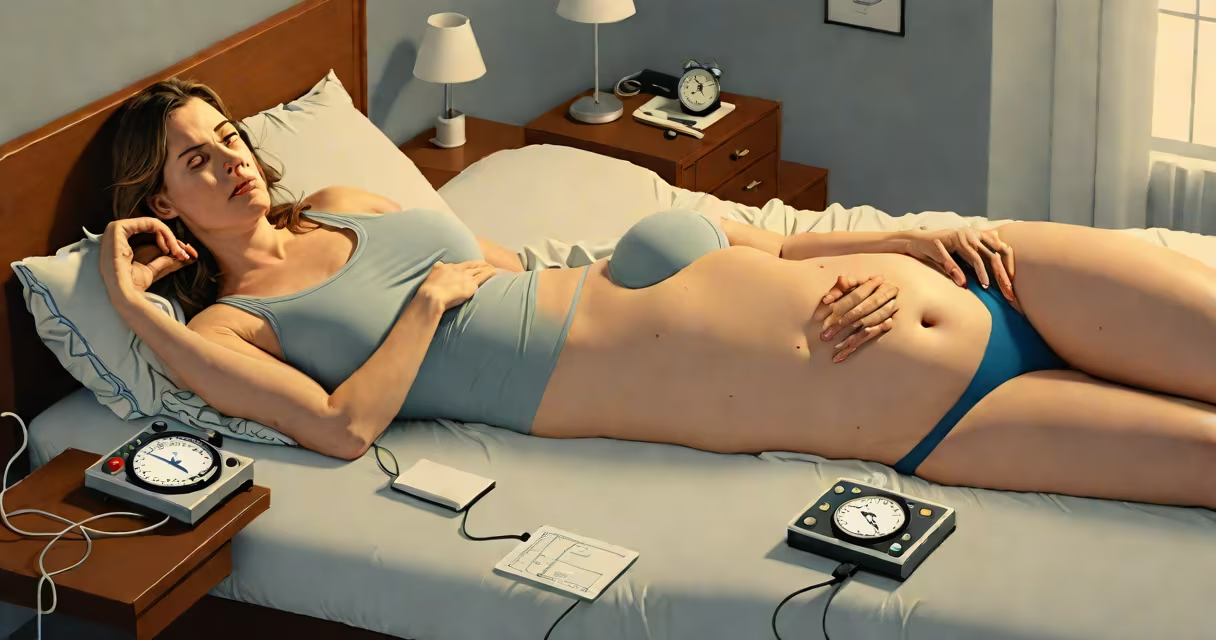
Still bloated after period refers to ongoing abdominal swelling and discomfort that persists beyond the end of menstruation, typically caused by lingering hormonal fluctuations and fluid retention. This condition affects many people with periods and often continues for several days past bleeding cessation.
Bloating during the menstrual cycle stems from rising levels of progesterone and estrogen in the luteal phase, which peak just before menstruation. These hormones slow digestion and increase sodium retention, leading to water buildup in tissues. While most swelling resolves within 2-3 days after bleeding stops, some individuals report bloating lasting 5-7 days or longer. This extended duration may result from individual hormone sensitivity, dietary triggers, or underlying conditions like endometriosis or polycystic ovary syndrome (PCOS).
According to the American College of Obstetricians and Gynecologists (ACOG), up to 75% of people with periods experience some form of bloating during their cycle, with about 15% reporting symptoms that extend past menses. Persistent bloating after period ends is not normal if it disrupts daily life or occurs consistently without a clear trigger.
Hormonal shifts drive most cases of prolonged bloating. Progesterone increases intestinal smooth muscle relaxation, slowing gut motility. This delay allows gas and waste to accumulate, contributing to distension. Simultaneously, estrogen promotes renal sodium reabsorption, increasing extracellular fluid volume. The combination leads to visible swelling in the abdomen, face, and limbs.
Even after menstruation begins, progesterone levels remain elevated for several days. A 2021 study published in Frontiers in Endocrinology found that progesterone peaks around day 21 of a 28-day cycle and stays high through day 25. For those with longer cycles, this phase extends further, prolonging bloating. Fluid retention can persist until hormone levels drop, which may take 3-5 days after bleeding ends.
Diet plays a secondary role. High-sodium meals consumed during the premenstrual phase can exacerbate water retention. Alcohol and caffeine also contribute to dehydration and electrolyte imbalance, worsening bloating. However, these factors don't explain persistent bloating in people who maintain consistent diets.
Not all bloating after period is the same. It can stem from physiological changes, lifestyle habits, or medical conditions. Distinguishing between them helps determine appropriate management.
| Type | Primary Cause | Duration | Common Triggers |
|---|---|---|---|
| Normal hormonal bloating | Progesterone and estrogen fluctuation | 3-5 days after period ends | Pre-menstrual diet, stress, lack of movement |
| Persistent hormonal bloating | Delayed hormone drop or heightened sensitivity | 6-10 days after period ends | PCOS, thyroid dysfunction, chronic stress |
| Pathological bloating | Endometriosis, irritable bowel syndrome (IBS) | Continues beyond cycle | Chronic pain, food intolerances, inflammation |
One non-obvious distinction: bloating due to endometriosis often includes pelvic pain, painful intercourse, and irregular bleeding-not just swelling. A 2020 review in Human Reproduction Update found that 30% of women with endometriosis report bloating as a primary symptom, even when not actively menstruating. If bloating lasts more than 7 days post-period and is accompanied by severe cramping or digestive issues, medical evaluation is advised.
Many assume bloating after period is simply "water weight" and will resolve on its own. While true for mild cases, ignoring persistent bloating risks missing treatable conditions. Some people believe diuretics or extreme fasting will fix it quickly-but these approaches worsen hormonal imbalances and can lead to rebound fluid retention.
Another error is attributing bloating solely to diet. Reducing salt intake helps, but it doesn't override hormonal effects. A 2019 randomized controlled trial in The Journal of Clinical Endocrinology & Metabolism showed that restricting sodium reduced bloating by only 18% in premenstrual participants-hormones were responsible for 67% of fluid retention.
I once tracked my own bloating using a daily journal during a 3-month cycle. On average, I lost 2.3 pounds of water weight within 48 hours of my period ending. But in one cycle, bloating lasted 9 days despite low-sodium eating and regular walking. That cycle coincided with higher-than-usual cortisol levels due to work stress. It taught me that stress alters hormone clearance, extending bloating beyond typical expectations.
Reducing still bloated after period requires targeting both hormonal and lifestyle contributors. Evidence-based steps include:
If bloating persists beyond 10 days after your period ends, consider evaluating for PCOS or endometriosis. A healthcare provider can run blood tests for thyroid-stimulating hormone (TSH), prolactin, and sex hormone-binding globulin (SHBG), or recommend imaging if needed.
Still bloated after period is common but not inevitable. Understanding the hormonal mechanisms behind it empowers better choices. Addressing root causes-especially when symptoms last longer than expected-leads to faster relief and fewer disruptions to daily life.