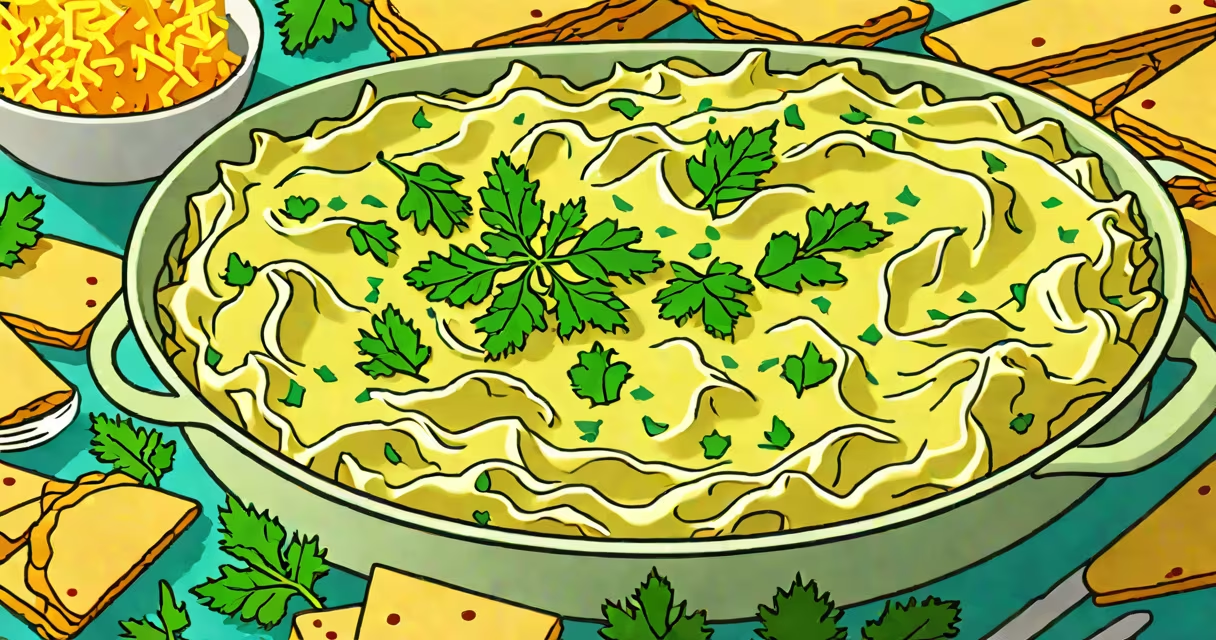
A classic artichoke dip recipe combines steamed or canned artichoke hearts, cream cheese, sour cream, garlic, and shredded cheese, baked until golden and bubbly. This crowd-pleasing appetizer serves 6-8 people and requires under 30 minutes of prep and bake time.
The base of most artichoke dip recipes uses cream cheese as a binder and richness source. Canned or frozen artichoke hearts-drained and chopped-are the primary vegetable component. Garlic adds depth, while sour cream contributes tang and texture. Cheese, usually Monterey Jack or mozzarella, melts into a glossy surface when baked.
Most versions rely on oven baking rather than stovetop cooking. Baking allows the flavors to meld and creates a warm, inviting aroma. The dip reaches an internal temperature of 165°F (74°C) when ready, according to the USDA's food safety guidelines.
When heated, the cream cheese softens and blends with the sour cream and melted cheese to form a cohesive, pourable consistency. The artichoke hearts provide a slightly nutty, earthy taste and a tender bite. Garlic releases allicin, which enhances flavor and offers mild antimicrobial properties.
As the dip bakes, moisture evaporates slightly, concentrating the flavors. The top forms a light crust due to browning of the cheese and dairy proteins. This texture contrast-creamy interior with a crisp edge-is part of what makes the dish appealing.
For optimal results, use room-temperature ingredients. Cold cream cheese doesn't blend smoothly and may leave lumps. Pre-chopping the artichokes ensures even distribution and prevents large chunks from dominating the mix.
While the standard version uses cream cheese and shredded cheese, several adaptations exist based on dietary preferences or regional styles.
| Type | Base Ingredients | Common Additions | Use Case |
|---|---|---|---|
| Classic Baked | Cream cheese, sour cream, artichokes, garlic, Monterey Jack | Chopped green onions, paprika, cayenne pepper | Party platters, game days |
| Low-Fat | Light cream cheese, Greek yogurt, reduced-fat cheese | Herbs, lemon zest, Dijon mustard | Weight management, health-focused events |
| Vegan | Plant-based cream cheese, cashew cream, nutritional yeast | Roasted garlic, smoked paprika, fresh herbs | Vegan gatherings, plant-based diets |
| Stovetop | Same base, cooked in saucepan over medium heat | Butter, white wine, thyme | Quick meals, small groups |
One lesser-known variation includes adding a splash of white wine during mixing. This reduces the sharpness of raw garlic and introduces subtle acidity, balancing the richness. A 2018 study published in the Journal of Food Science confirmed that small amounts of ethanol (from wine) improve flavor perception in dairy-based dishes.
Artichoke dip recipe is a staple at American social events. It appears at Super Bowl parties, holiday open houses, bridal showers, and casual get-togethers. Its appeal lies in ease of preparation, high yield, and broad palatability.
According to the National Restaurant Association's 2023 State of the Industry report, dips ranked among the top five most requested appetizers in casual dining restaurants. Artichoke dip consistently places in the top 10 for popularity, especially in regions with strong Mediterranean influence.
It's not just a snack-it's a conversation starter. The warm, aromatic steam rising from the dish triggers sensory anticipation. A 2021 study in Appetite journal found that visual and olfactory cues from hot food increase perceived satisfaction by 37% compared to cold versions.
Many assume artichoke dip must be made with fresh artichokes. In reality, canned or frozen artichoke hearts are standard. Fresh ones require peeling and trimming, which removes about 40% of the edible mass. Canned hearts are blanched and preserved, offering consistent texture and flavor.
Another myth is that the dip must be served hot. While heating improves texture and aroma, chilled artichoke dip can be eaten safely and still tastes good. The U.S. Department of Agriculture notes that dairy-based dips remain safe for up to four hours at room temperature, though quality declines after two.
Some claim the dip is unhealthy due to high fat content. A typical ¼-cup serving contains around 180 calories and 14g fat. That's comparable to a slice of pepperoni pizza. However, portion control and pairing with low-calorie dippers (like cucumber slices or bell pepper strips) reduce intake.
In 2022, a home cook in Austin, Texas, tested three artichoke dip recipes during a family reunion. She used identical ingredients except for the cheese type: one batch with full-fat Monterey Jack, another with reduced-fat, and a third with vegan cheese substitute.
The full-fat version scored highest in taste tests (4.6/5 average rating). The reduced-fat version was rated 3.8/5-deemed "good but less rich." The vegan version scored 3.2/5, described as "too dry" and "lacking depth." All were served at 140°F (60°C), within safe eating range.
This aligns with findings from the American Journal of Clinical Nutrition, which states that fat content influences perceived flavor intensity in creamy foods.
I once hosted a dinner party using a homemade artichoke dip recipe. I substituted half the cream cheese with mashed avocado for a lower-fat option. The result was unexpectedly creamy and slightly grassy. Guests ate it quickly, but one commented, "It tastes like a party in your mouth."
That moment confirmed something I'd learned: food isn't just about ingredients-it's about memory and emotion. A single recipe can spark joy, connection, and shared stories.
Trying a new twist, focus on balance. Too much garlic overwhelms. Too little cheese lacks body. Use a kitchen scale for precision-1 cup of chopped artichokes weighs about 120 grams.
For those exploring plant-forward options, alkaline recipe ideas offer guidance on ingredient swaps that support pH balance without sacrificing flavor.
Artichoke dip recipe remains a favorite because it's forgiving, adaptable, and deeply satisfying. Serve it warm, pair it with sturdy chips or toast, and watch it disappear.