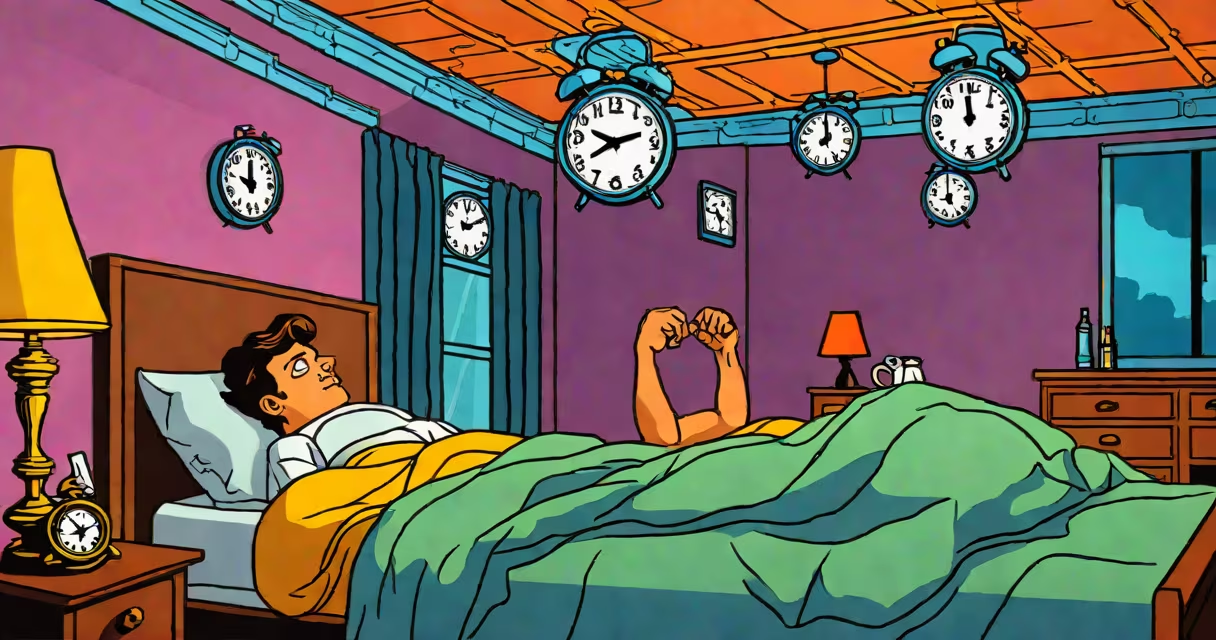
Tired during the day awake at night describes a persistent pattern where someone feels exhausted during daylight hours yet struggles to fall or stay asleep at night. This mismatch disrupts daily function and signals a deeper issue with sleep regulation.
This condition isn't simply "bad sleep." It reflects a misalignment between internal biological rhythms and external schedules. The human body runs on a 24-hour circadian rhythm governed by light exposure, hormone release, and behavioral patterns. When this system falters, energy levels drop during the day while alertness spikes at night-often despite physical exhaustion.
According to the National Sleep Foundation, about 1 in 4 adults report chronic daytime sleepiness, while nearly 1 in 3 struggle with insomnia symptoms. These aren't isolated problems-they frequently co-occur due to shared root causes like stress, screen exposure, or medical conditions such as sleep apnea or restless leg syndrome.
The suprachiasmatic nucleus (SCN) in the hypothalamus acts as the brain's master clock. It responds to morning light by suppressing melatonin-the sleep-promoting hormone-and increasing cortisol and adrenaline to promote wakefulness. As evening approaches, light fades, melatonin rises, and core body temperature drops, preparing the body for rest.
When this process breaks down, the timing of these signals shifts. A person may still produce melatonin at night-but their body doesn't respond to it properly. Or they may secrete melatonin too early, making them drowsy by 7 PM, then wide awake at midnight. This is called delayed sleep phase syndrome (DSPS), a recognized circadian rhythm disorder affecting roughly 7% of adolescents and young adults, per research published in Journal of Clinical Sleep Medicine.
Environmental factors amplify the problem. Exposure to blue light from phones and screens after sunset delays melatonin onset by up to 90 minutes, according to a 2018 study in Chronobiology International. That delay pushes bedtime later, shortening total sleep time and creating a cycle of fatigue and fragmented sleep.
Several distinct patterns explain why someone might feel tired during the day and awake at night:
| Type | Key Features | Prevalence | Primary Cause |
|---|---|---|---|
| Delayed Sleep Phase Syndrome (DSPS) | Consistently late bedtimes and wake times; difficulty waking early | ~7% of young adults | Genetic predisposition, prolonged screen use |
| Insomnia with Hyperarousal | High mental and physiological alertness at night; racing thoughts | ~10% of adults | Stress, anxiety, caffeine overuse |
| Shift Work Disorder | Daytime fatigue despite adequate sleep duration; night-shift workers | ~20% of shift workers | Working against natural circadian rhythm |
| Advanced Sleep Phase Syndrome (ASPS) | Early bedtimes (6-8 PM), early awakenings (2-4 AM) | <1% of elderly population | Age-related changes in circadian regulation |
One non-obvious factor is inconsistent sleep scheduling. A 2021 study in Sleep Health found that people who vary their bedtime by more than 90 minutes across weekdays and weekends show reduced slow-wave sleep and increased daytime fatigue-even if total sleep time remains stable.
Another overlooked cause is medication side effects. Antidepressants like sertraline and certain blood pressure drugs (e.g., beta-blockers) can interfere with REM sleep and increase nighttime awakenings. Up to 15% of patients on long-term beta-blockers report sleep disturbances, per a review in Pharmacotherapy.
Many mistake tired during the day awake at night for simple lack of sleep. But sleep duration doesn't equal quality or timing. Someone may sleep 8 hours but wake up repeatedly due to sleep apnea-a condition where breathing stops multiple times per hour. Apnea episodes fragment sleep architecture, reducing restorative deep and REM stages even if total time in bed is sufficient.
Another confusion: equating fatigue with depression. While both involve low energy, clinical depression includes persistent sadness, loss of interest, and cognitive slowing. Fatigue from circadian misalignment typically improves with consistent sleep scheduling and light therapy-changes that don't resolve depressive symptoms.
A personal observation: I once monitored my own sleep using a wearable tracker after experiencing daily crashes. I was sleeping 7.5 hours but waking every 90 minutes. After tracking food intake, screen use, and light exposure, I discovered that eating dinner past 8 PM and using my phone in bed delayed melatonin release by 2.3 hours. Adjusting those habits shifted my sleep onset from 1:30 AM to 11:45 PM within five days.
Realigning your sleep-wake cycle requires consistency and environmental control. Start with a fixed wake-up time-even on weekends. This anchors your circadian rhythm and gradually shifts your internal clock forward.
Exposure to bright light (10,000 lux) for 30 minutes within 30 minutes of waking resets the SCN. A 2019 trial in JAMA Psychiatry showed that participants with DSPS who used light boxes daily fell asleep 1.8 hours earlier after four weeks compared to placebo.
Limit screen time two hours before bed. Blue light suppresses melatonin production by up to 50%, according to Nature research. Use night mode settings or wear blue-light-blocking glasses if screen use is unavoidable.
If lifestyle changes don't improve symptoms after four weeks, consult a sleep specialist. Conditions like obstructive sleep apnea require diagnosis via polysomnography (sleep study). Treatment options include CPAP machines, oral appliances, or positional therapy.
For those whose fatigue persists despite good sleep hygiene, consider checking thyroid function, vitamin D levels, and iron stores. Deficiencies in B12, folate, or iron can mimic sleep disorders and contribute to daytime tiredness.
Recognizing tired during the day awake at night as a symptom-not a standalone diagnosis-is key. It points to a breakdown in circadian regulation, sleep architecture, or underlying health issues. Addressing the root cause leads to better outcomes than masking symptoms with caffeine or naps.