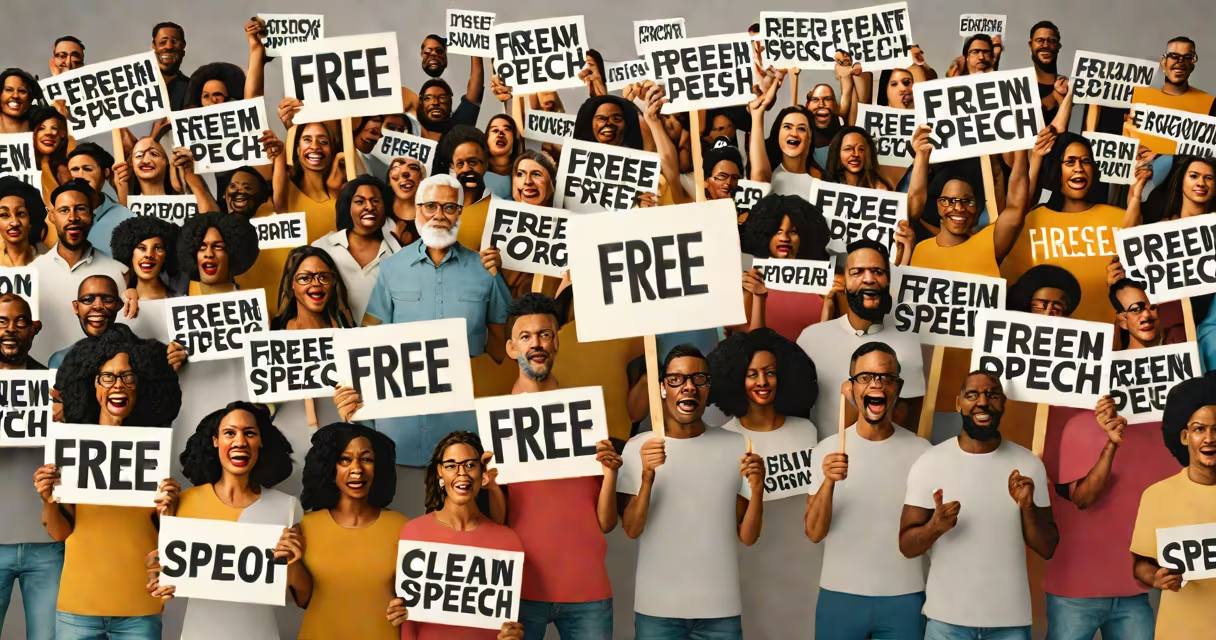
Types of freedom of speech refer to the legally recognized categories of expression protected under the First Amendment, including political speech, symbolic action, commercial speech, and offensive or hateful speech-each subject to different levels of constitutional protection based on context and intent.
The First Amendment to the U.S. Constitution prohibits Congress from making laws that abridge freedom of speech. But not all speech receives equal protection. The Supreme Court has established distinct categories based on the nature of the message, the setting, and potential harm. These categories determine whether speech is fully protected, partially protected, or constitutionally unprotected.
Understanding these types matters because they define the boundaries of what individuals can say, publish, protest, or display without government punishment. Misunderstanding them leads to confusion about when speech crosses into illegal territory-or when it remains shielded even if offensive.
Courts classify speech based on its function and risk. The most fundamental division is between speech that promotes democratic discourse and speech that poses a clear and present danger to public order or individual rights.
Political speech-such as criticizing elected officials, advocating policy changes, or organizing protests-is among the most protected. The Supreme Court ruled in *Tinker v. Des Moines Independent Community School District* (1969) that students wearing black armbands to protest the Vietnam War were protected under the First Amendment. The ruling affirmed that symbolic political expression counts as speech.
Commercial speech-advertising and marketing messages-is protected but subject to stricter regulation. The government may restrict false or misleading claims. In *Central Hudson Gas & Electric Corp. v. Public Service Commission* (1980), the Court created a four-part test: the speech must concern lawful activity, not be misleading, serve a substantial government interest, and be narrowly tailored. This allows regulations on tobacco advertising or deceptive product claims.
Legal doctrine divides speech into three broad types: fully protected, limitedly protected, and unprotected. Each category reflects a balance between free expression and societal safety.
| Type | Examples | Protection Level | Legal Basis |
|---|---|---|---|
| Fully protected | Political protest, criticism of government, artistic expression | High; rarely restricted | First Amendment, *Texas v. Johnson* (1989) |
| Limitedly protected | Advertising, commercial promotion, some religious speech | Moderate; can be regulated for truth and fairness | *Central Hudson*, 1980 |
| Unprotected | Hate speech, threats, incitement, obscenity, defamation | None; may be criminalized | *Brandenburg v. Ohio* (1969), *Miller v. California* (1973) |
Hate speech is not automatically illegal. The Supreme Court ruled in *R.A.V. v. City of St. Paul* (1992) that the government cannot ban speech solely because it offends a group. However, speech that incites imminent violence or is directed at specific individuals with intent to harm is not protected.
A common misconception is that "hate speech" is banned nationwide. It is not. The U.S. legal system protects even deeply offensive views-such as Holocaust denial or anti-LGBTQ rhetoric-unless they cross into threats or incitement. In contrast, countries like Germany and France criminalize certain forms of hate speech, reflecting different legal traditions.
Different settings apply different standards. A protest in a public park enjoys stronger protection than a private social media post. Courts assess context carefully, especially when speech occurs online.
For example, in *United States v. Stevens* (2010), the Court struck down a federal law banning depictions of animal cruelty. The decision emphasized that even disturbing content can be protected if it serves artistic or educational purposes. The ruling reaffirmed that the government cannot suppress speech simply because it is uncomfortable.
Yet, when speech causes direct harm, courts intervene. In *Chaplinsky v. New Hampshire* (1942), the Court upheld the conviction of a man who called a police officer a "damned fascist." The ruling introduced the "fighting words" doctrine-speech that is likely to provoke immediate violence is not protected. This standard applies only to face-to-face confrontations, not written or broadcast messages.
One non-obvious distinction: satire and parody are protected under the First Amendment even when they misrepresent facts. In *Hustler Magazine v. Falwell* (1988), the Court ruled that public figures cannot sue for emotional distress caused by parodic attacks. The decision reinforced that humor and exaggeration are part of free expression's core function.
People often mistake "free speech" for "unlimited speech." That's incorrect. The First Amendment doesn't protect lying, threatening, or defaming others-even if those statements are made publicly.
Consider the case of *Snyder v. Phelps* (2011). Westboro Baptist Church members picketed the funeral of a Marine killed in Iraq, shouting messages like "God Hates Fags." The Supreme Court ruled that their speech was protected because it addressed a matter of public concern, despite being deeply offensive. The court emphasized that the government cannot silence speech merely because it is hurtful.
But not all offensive speech escapes liability. In *Morse v. Frederick* (2007), the Court upheld a school principal's suspension of a student who displayed a banner reading "Bong Hits 4 Jesus" during a school event. The ruling confirmed that schools can restrict speech that promotes illegal drug use, even if it's symbolic.
I once observed a protest at a city council meeting where attendees held signs criticizing a zoning decision. One sign read "This is theft." The police did not intervene. The message was political, not threatening. The demonstration remained peaceful. That's how protected speech functions in practice: context determines legality, not just content.
Types of freedom of speech are not arbitrary. They reflect decades of judicial interpretation balancing individual rights against public order, safety, and truth. The Supreme Court has consistently ruled that the government cannot censor speech based on viewpoint, but it can regulate content when it creates a clear risk of harm.
Knowing the difference between protected, limited, and unprotected speech prevents misunderstanding and ensures accurate use of constitutional rights in daily life.