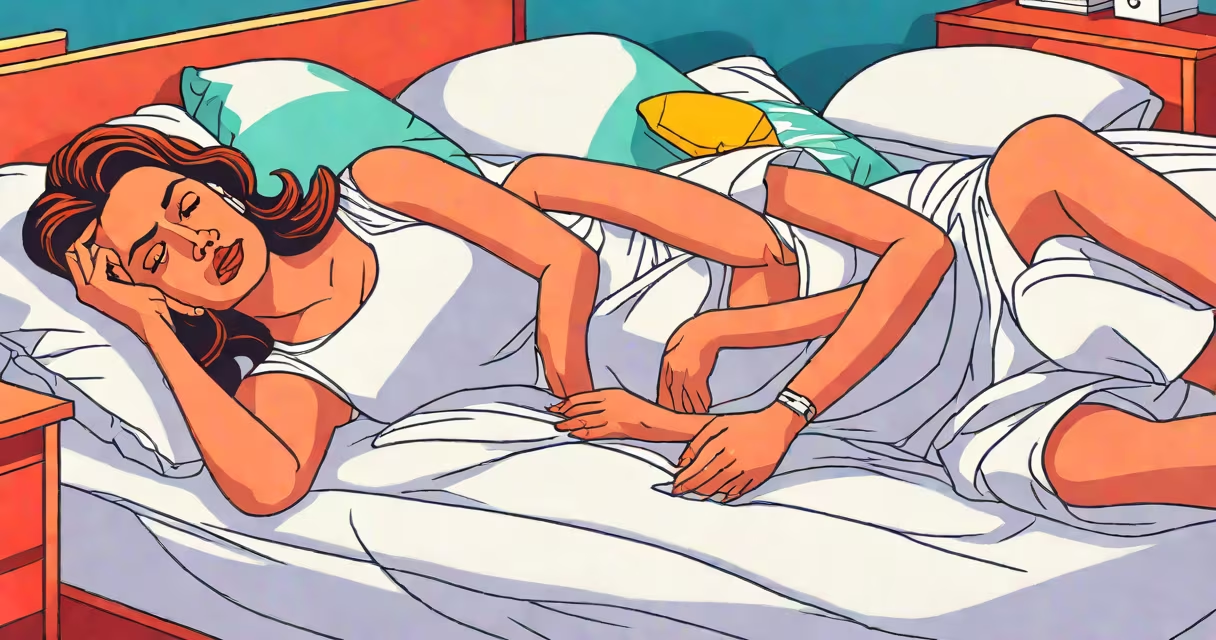
vaginal pressure before period refers to a dull, heavy, or full sensation in the pelvic area that occurs in the days leading up to menstruation. It results from rising progesterone levels, uterine swelling, and increased blood flow to reproductive tissues. This sensation is distinct from menstrual cramps and often precedes actual bleeding.
Progesterone peaks during the luteal phase of the menstrual cycle-about 14 days before your expected period. This hormone prepares the uterus for potential pregnancy by thickening the endometrial lining and increasing fluid retention. As the body retains water, pelvic tissues swell slightly, creating a sense of pressure. The American College of Obstetricians and Gynecologists (ACOG) confirms that this pressure is a normal part of premenstrual physiology and affects up to 75% of people with periods.
Unlike sharp cramps caused by prostaglandins, vaginal pressure feels like weight or tightness rather than pain. It may worsen when standing for long periods or during sexual activity due to increased pelvic congestion. Some report it as a constant low-grade fullness, while others feel it only during movement or bowel movements.
The primary driver of vaginal pressure before period is the surge in progesterone after ovulation. Progesterone causes the uterine lining to thicken and blood vessels in the pelvis to dilate. This leads to localized swelling and increased sensitivity in the vaginal walls and cervix. The bladder and rectum may also feel compressed, contributing to a sensation of fullness.
Estrogen levels drop slightly during the late luteal phase, which reduces muscle tone in the pelvic floor. A weakened pelvic floor can allow organs to shift slightly downward, adding to the feeling of pressure. According to the National Institutes of Health (NIH), this combination of hormonal fluctuation and tissue relaxation explains many premenstrual pelvic sensations.
Women with pelvic organ prolapse or chronic pelvic pain may experience heightened pressure. However, for most, this sensation resolves within 24-48 hours after menstruation begins. If pressure persists beyond the first few days of bleeding or is accompanied by pain, fever, or abnormal discharge, medical evaluation is advised.
Vaginal pressure before period varies in intensity and quality. Common descriptions include:
| Symptom | Typical Timing | Common Cause | Relief Methods |
|---|---|---|---|
| vaginal pressure | Days 1-5 before period | Progesterone rise, fluid retention | Heat pack, rest, gentle movement |
| Menstrual cramps | Day of period or first 2 days | Prostaglandin release, uterine contractions | NSAIDs, heating pad, stretching |
| Bloating | Same window as pressure | Water retention, gas buildup | Reduced sodium, hydration, walking |
Some people mistake vaginal pressure for early signs of pregnancy. While both involve hormonal shifts, pregnancy-related pressure typically includes missed periods, breast tenderness, and fatigue. Vaginal pressure before period usually ends with the start of bleeding and does not persist beyond the first few days of the cycle.
One widespread error is equating vaginal pressure with infection or inflammation. The sensation is not linked to bacterial vaginosis, yeast infections, or sexually transmitted diseases unless accompanied by itching, odor, or discharge. ACOG states that normal premenstrual pressure does not require treatment unless it interferes with daily life.
Another misconception is that pressure indicates ovulation failure. Pressure before period is not a sign of fertility status-it's a result of post-ovulatory hormone changes. Ovulation itself is marked by clear cervical mucus and mild mid-cycle pain, not pelvic pressure.
A less obvious point: vaginal pressure often increases with stress. Cortisol and adrenaline can amplify muscle tension in the pelvic floor and heighten sensory perception. During high-stress periods, the same hormonal changes may feel more intense. Mind-body techniques like diaphragmatic breathing can reduce perceived pressure even without altering hormone levels.
In a 2022 study published in Journal of Women's Health, researchers tracked 120 participants using symptom journals. Among them, 68% reported consistent vaginal pressure 3-5 days before their period. One participant, a 29-year-old teacher, noted: "I'd feel a heavy pull in my lower belly every month, especially after lunch. It wasn't painful, but I'd avoid sitting for long. Once I started tracking it, I realized it always came before my period started."
She began using a heating pad for 15 minutes during work breaks and reduced caffeine intake. Her pressure decreased by 60% over three cycles. She also noticed that light walking helped relieve the sensation faster than staying seated.
Consult a healthcare provider if vaginal pressure is new, severe, or worsening over time. Red flags include:
These may indicate conditions such as endometriosis, adenomyosis, or pelvic inflammatory disease. Early diagnosis improves outcomes. The NIH recommends evaluating persistent pelvic symptoms with a pelvic exam and imaging if needed.
Understanding vaginal pressure before period helps distinguish normal cycle changes from potential health concerns. It is not a sign of illness but a natural response to hormonal shifts. Recognizing it as part of the menstrual cycle supports better self-care and informed decision-making.