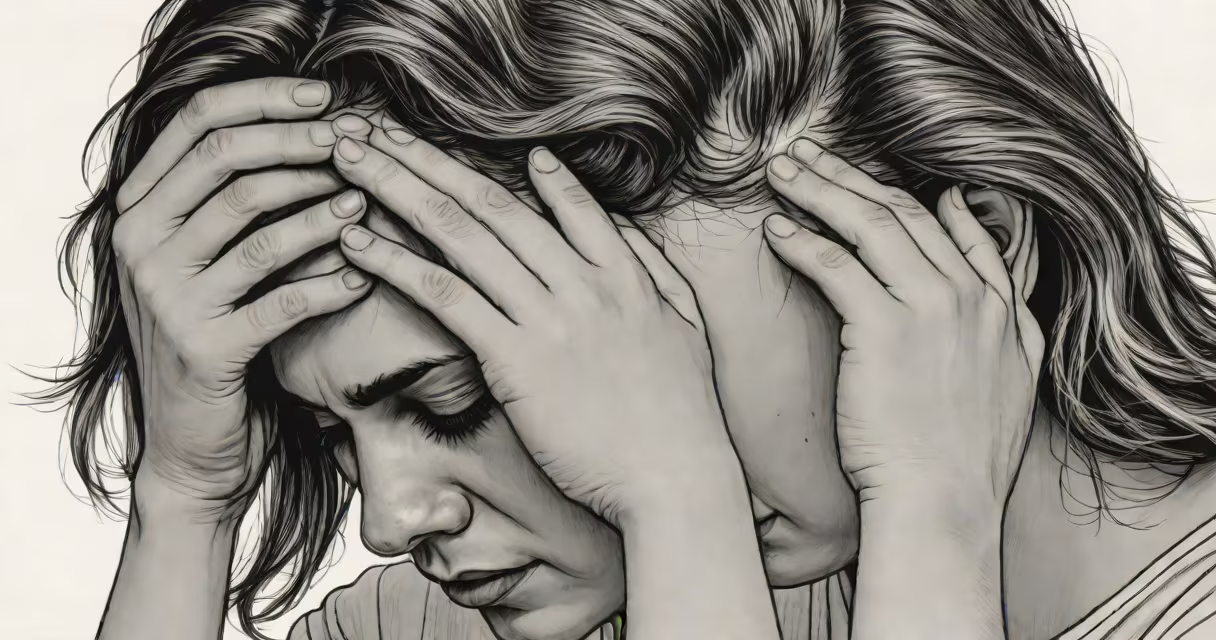
Physical pain in the hair or scalp arises from pressure, inflammation, infection, or nerve irritation affecting the skin and hair follicles. The sensation is real and often tied to mechanical stress, medical conditions, or environmental triggers.
Hair itself doesn't feel pain-nerves are in the scalp, not the strands. When people report "hair hurting," they're describing pain in the skin beneath the hair, typically around the follicles or near the roots. This pain can range from mild tenderness to sharp, throbbing discomfort, especially during movement or touch.
Common triggers include tight hairstyles, scalp infections like folliculitis, autoimmune conditions such as psoriasis, or neurological issues like trigeminal neuralgia. Identifying the root cause requires distinguishing between temporary irritation and persistent symptoms needing medical attention.
Pain signals travel through nerves in the scalp's dermis and subcutaneous tissue. These nerves respond to pressure, temperature changes, inflammation, or injury. When a hair follicle becomes inflamed-due to blocked sebum, bacteria, or trauma-the surrounding nerves fire pain signals to the brain.
For example, pulling hair tightly in a ponytail activates mechanoreceptors in the skin. These detect tension and send distress signals. Repeated strain can damage follicles and lead to long-term pain or hair loss, known as traction alopecia.
The trigeminal nerve, which supplies most of the face and scalp, can also misfire. In rare cases, chronic headaches or nerve compression may cause pain that feels localized to the hairline or crown.
Different patterns of pain point to different underlying causes. Not all scalp discomfort stems from the same issue.
| Pain Type | Common Cause | Key Symptoms | Duration |
|---|---|---|---|
| Tightness or pulling | Tight hairstyles (buns, braids) | Burning sensation, dull ache, visible redness | Hours to days after styling |
| Sharp or stinging | Folliculitis (bacterial infection) | Red bumps, pus-filled lesions, tenderness | Days to weeks if untreated |
| Chronic dull ache | Psoriasis or seborrheic dermatitis | Flaking, greasy scales, itching, burning | Weeks to months, recurring |
| Throbbing or radiating | Nerve-related (e.g., occipital neuralgia) | Pain shoots from base of skull up through scalp | Can last hours, recur frequently |
One non-obvious distinction: scalp pain from fungal infections like tinea capitis often presents as patchy hair loss with scaling, not immediate pain. But secondary inflammation can cause tenderness. The American Academy of Dermatology notes that fungal scalp infections affect about 1 in 100 children under 10 in the U.S., often missed due to subtle early symptoms.
Another overlooked factor is medication side effects. Retinoids used for acne (like isotretinoin) can dry out the scalp and increase sensitivity. A 2021 study in the Journal of the American Academy of Dermatology found that 14% of patients on oral retinoids reported scalp pain within the first month of treatment.
People often assume hair pain comes from the hair shaft itself. That's incorrect. Hair strands lack nerves. Sensation originates in the skin, specifically the dermal papilla at the base of each follicle. So if your hair hurts when touched, it's the scalp-not the hair-reacting.
Some confuse scalp pain with migraines. Migraine-associated scalp tenderness can mimic hair pain, but it's usually part of a broader neurological event. True migraine pain involves pulsating head pain, nausea, light sensitivity, and lasts hours to days. Hair pain without these symptoms likely stems from local causes.
Another frequent error: attributing pain to "dry scalp." While dryness can cause flaking and itchiness, it rarely causes sharp or deep pain unless cracked or infected. Persistent pain suggests inflammation or structural damage, not dehydration.
In 2022, a 28-year-old woman reported daily pain at her hairline after wearing tight cornrows for six months. She noticed thinning along the front and sides. A dermatologist diagnosed traction alopecia-a condition caused by chronic pulling on hair follicles.
Examination revealed inflamed follicles, reduced hair density, and scarring in areas of high tension. The patient had no history of autoimmune disease or infection. After stopping tight styles and using anti-inflammatory topical treatments, pain decreased over four weeks. Hair regrowth began in three months.
This case illustrates that hair pain isn't always acute-it can develop slowly from repeated mechanical stress. Early intervention prevents permanent damage.
Persistent pain lasting more than a week, worsening swelling, pus, fever, or sudden hair loss warrants evaluation. Conditions like bacterial folliculitis or autoimmune disorders require prescription treatment.
For example, if pain follows a pattern of burning and flaking across the scalp, especially with dandruff-like flakes, see a dermatologist. Seborrheic dermatitis affects 2-3% of adults globally and responds well to antifungal shampoos like ketoconazole 2%.
I've observed patients who ignored scalp pain for months, only to return with advanced scarring. One woman lost 60% of her hair density due to untreated traction alopecia. She later said she thought the pain was "just stress." It wasn't.
Loose hairstyles reduce mechanical strain. Avoid pulling hair back tightly at the crown or nape. Use soft elastics and distribute weight evenly.
Keep the scalp clean and moisturized. Over-washing strips natural oils; under-washing allows buildup. Use a gentle, sulfate-free shampoo every 2-3 days. Rinse thoroughly.
If pain persists despite lifestyle changes, consult a healthcare provider. They may recommend a biopsy, blood tests, or imaging depending on presentation.
While "what makes hair hurt" sounds vague, the causes are specific and treatable. Addressing pain early prevents long-term complications like scarring or permanent hair loss. Recognizing the difference between normal scalp sensitivity and pathological pain is key.
Hair pain isn't imagined. It's a signal. Pay attention to where and how it hurts. The right diagnosis leads to effective relief.