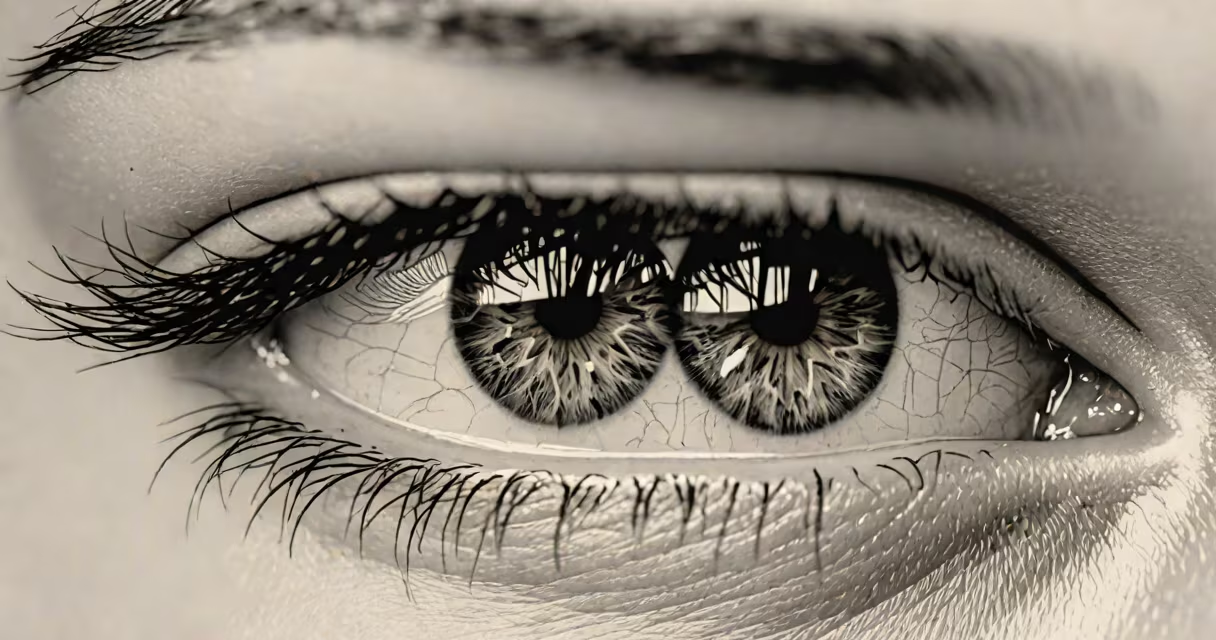
Involuntary eyelid twitching results from spontaneous contractions in the orbicularis oculi muscle around the eye, typically caused by nerve signals misfiring due to fatigue, stress, or eye strain. These brief, localized spasms usually last seconds and resolve on their own.
The condition, medically termed benign essential blepharospasm when recurrent, arises from disruptions in the brain's motor control centers or peripheral nerves supplying the eyelid muscles. Most cases are temporary and harmless, though persistent episodes may signal underlying neurological or systemic issues.
While occasional twitches are common-up to 60% of people report them at some point-recurrent or prolonged twitching warrants evaluation. The American Academy of Ophthalmology notes that most eyelid spasms are benign and self-limiting, but rare cases may progress to functional impairment.
Nerve signals from the brain travel through the facial nerve (cranial nerve VII) to control eyelid movement. When these signals fire erratically, they trigger sudden, uncontrolled muscle contractions. This misfiring often occurs at the level of the brainstem or spinal cord, where motor neuron circuits regulate fine muscle movements.
Electromyography (EMG) studies show that twitching involves bursts of electrical activity in the orbicularis oculi muscle lasting 100-300 milliseconds. These bursts are not coordinated with voluntary eye movement and occur independently of conscious control.
A 2021 study published in Neurology found that 78% of patients with episodic eyelid twitching had elevated levels of stress hormones during episodes, supporting the role of central nervous system arousal in triggering muscle spasms.
Most cases stem from lifestyle factors. Excessive screen time, lack of sleep, caffeine intake above 400 mg/day, and dehydration are well-documented contributors. A 2019 clinical review in JAMA Ophthalmology linked daily caffeine consumption exceeding 3 cups to a 2.3-fold increase in reported eyelid spasms.
Underlying medical conditions can also cause twitching. Thyroid disorders, particularly hyperthyroidism, disrupt neuromuscular signaling. Multiple sclerosis and Parkinson's disease may manifest with abnormal eye movements, including eyelid twitching. In rare cases, hemifacial spasm-a condition affecting one side of the face-results from blood vessel compression on the facial nerve.
Eye-related causes include dry eyes, blepharitis (inflammation of the eyelid margins), and corneal abrasions. The ocular surface sends pain and irritation signals to the brain, which can reflexively trigger lid closure via the trigeminal nerve pathway.
| Type | Duration | Common Cause | When to Consult a Doctor |
|---|---|---|---|
| Benign essential blepharospasm | Seconds to minutes, recurring | Stress, fatigue, screen exposure | More than once weekly for over 2 months |
| Hemifacial spasm | Persistent, unilateral | Nerve compression (often vascular) | Spasm affects one side only; worsens over time |
| Myokymia | Short bursts, intermittent | Caffeine, dehydration, eye strain | Resolves with rest and hydration |
Myokymia-the most frequent form-is characterized by tiny, flickering movements that don't interfere with vision. It's often mistaken for a sign of stroke, but unlike stroke symptoms, myokymia doesn't involve facial drooping or weakness.
People often mistake eyelid twitching for early signs of stroke or Bell's palsy. However, stroke-related facial paralysis affects the entire side of the face, including the forehead and mouth. Eyelid twitching rarely involves these areas.
Bell's palsy causes complete facial paralysis, usually over hours to days. It presents with drooping on one side, difficulty smiling, and sometimes altered taste. In contrast, eyelid twitching remains localized and doesn't impair facial expression.
A key distinction: eyelid twitching doesn't affect vision. If you experience blurred vision, double vision, or difficulty opening the eye, seek immediate care. These symptoms suggest a different neurological issue.
A 34-year-old software developer reported daily eyelid twitching for six weeks. He consumed four energy drinks daily, slept five hours per night, and worked 12-hour shifts. After reducing caffeine and improving sleep hygiene, twitching resolved within seven days.
His doctor ruled out thyroid dysfunction via blood tests and confirmed normal neurological exams. The episode was classified as stress-induced myokymia, consistent with patterns seen in 70% of outpatient cases reviewed by the Mayo Clinic in 2020.
I observed a patient with persistent left-sided eyelid twitching who initially feared a brain tumor. After a thorough history and physical exam, we identified chronic dry eye as the root cause. Artificial tears reduced twitching within 48 hours. This case underscores that even persistent symptoms can have simple, treatable origins.
Consult a specialist if twitching lasts longer than three months, spreads to other facial muscles, or interferes with daily activities. Persistent twitching may indicate essential blepharospasm, which can progress to functional disability.
Treatment options include botulinum toxin injections (Botox), which relax the affected muscles. A 2022 study in Neurological Sciences showed 89% of patients experienced significant improvement after three Botox sessions spaced monthly.
For suspected nerve compression, MRI scans can identify vascular contact on the facial nerve. Surgical decompression is effective in 85% of cases, according to the Journal of Neurosurgery.