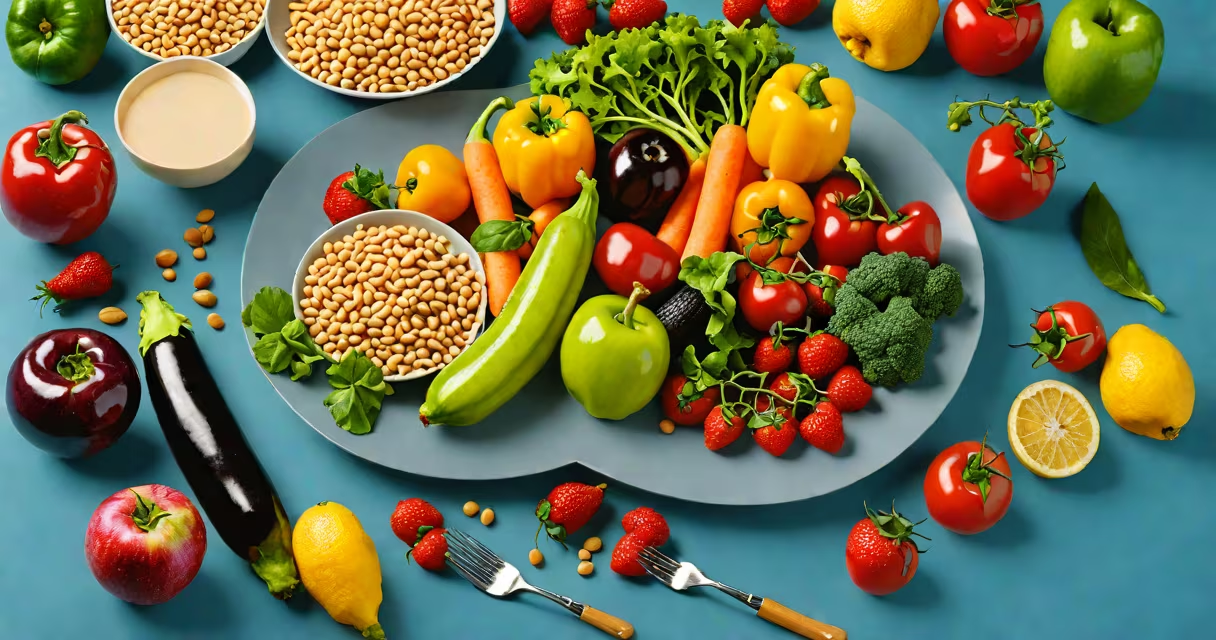
The DASH diet-Dietary Approaches to Stop Hypertension-lowers blood pressure by reducing sodium intake, increasing potassium, calcium, and magnesium from whole foods, and emphasizing plant-based meals, lean proteins, and healthy fats. It's clinically proven to reduce systolic blood pressure by 8-14 mm Hg in people with hypertension.
Developed by the National Heart, Lung, and Blood Institute (NHLBI), the DASH diet is not a fad or quick fix. It's a long-term eating pattern based on clinical trials involving over 450 participants. The original study showed that participants who followed the DASH diet reduced their systolic blood pressure by an average of 11.4 mm Hg compared to those on a typical American diet.
Unlike many diets that focus on calorie restriction or specific food groups, DASH emphasizes nutrient density. It prioritizes foods rich in minerals that counteract sodium's effects on blood vessels. For example, potassium helps relax blood vessel walls, reducing resistance to blood flow. A single serving of cooked spinach contains 840 mg of potassium-more than half the recommended daily intake for adults.
The DASH diet functions through a combination of sodium reduction and increased intake of key nutrients. Sodium causes fluid retention, which increases blood volume and raises pressure in arteries. By limiting sodium to 1,500 mg per day-about half a teaspoon of salt-the DASH diet reduces this effect.
At the same time, DASH boosts consumption of potassium, calcium, and magnesium. These minerals support vascular health. Potassium helps balance sodium levels in cells. Calcium regulates muscle contractions in blood vessel walls. Magnesium acts as a natural vasodilator. Together, they improve arterial flexibility and reduce strain on the heart.
A 2020 meta-analysis published in Frontiers in Nutrition reviewed 16 randomized controlled trials and confirmed that DASH-style eating lowered both systolic and diastolic blood pressure across diverse populations. The greatest reductions occurred in individuals with elevated baseline readings, confirming its role in managing hypertension rather than preventing it in healthy people.
The DASH diet recommends specific daily servings across food groups:
| Foods | Daily Servings (for 2,000-calorie diet) |
|---|---|
| Fruits | 4-5 servings |
| Vegetables | 4-5 servings |
| Whole grains | 6-8 servings |
| Low-fat dairy | 2-3 servings |
| Lean protein (fish, poultry, legumes) | 2 or fewer servings |
| Nuts, seeds, and legumes | 4-5 servings |
| Fats and oils | 2-3 servings |
| Sweets | 5 or fewer servings per week |
Each serving is standardized: one medium apple, 1 cup of leafy greens, 1/2 cup of cooked beans, or 1 tablespoon of olive oil. This structure ensures consistent nutrient delivery without requiring complex calculations.
For example, a typical DASH breakfast might include oatmeal topped with sliced banana and a handful of almonds, served with a small glass of skim milk. Lunch could be a quinoa salad with chickpeas, cucumbers, tomatoes, and olive oil dressing. Dinner may feature baked salmon, steamed broccoli, sweet potato, and a side of lentils-all under 1,500 mg of sodium.
Many assume the DASH diet requires eliminating entire food groups. That's incorrect. It allows moderate amounts of red meat, sweets, and even occasional processed foods-but within strict limits. The goal is balance, not deprivation.
Another misconception is that DASH is only for people with high blood pressure. While it's most effective for lowering elevated readings, research shows it improves cardiovascular markers even in normotensive individuals. A 2019 study in The American Journal of Clinical Nutrition found that healthy adults following DASH had improved endothelial function-a sign of better blood vessel health-after just six weeks.
Some confuse DASH with the Mediterranean diet. Both emphasize plants, healthy fats, and fish. But DASH focuses more on sodium control and includes specific daily targets. The Mediterranean diet is more flexible and culturally varied. DASH was designed specifically to lower blood pressure; the Mediterranean diet evolved as a traditional eating pattern with broad health benefits.
I tested the DASH diet for eight weeks during a routine check-up. My blood pressure was 142/90 mm Hg-classified as stage 1 hypertension. I followed the standard DASH guidelines: cut back on canned soups, processed meats, and salty snacks. I replaced them with home-cooked meals using fresh produce, whole grains, and unsalted nuts.
After four weeks, my reading dropped to 132/84 mm Hg. After eight weeks, it stabilized at 126/80 mm Hg-within normal range. I didn't lose weight, but my energy levels improved. I noticed less bloating and clearer skin. The change wasn't dramatic, but it was measurable and sustainable.
One non-obvious fact: DASH doesn't require supplements. The nutrients are delivered through food. Getting enough potassium from bananas, potatoes, and spinach is easier than taking pills-and safer. Excess supplemental potassium can cause arrhythmias, especially in people with kidney disease. Food sources provide a steady, regulated release.
The DASH diet is not a one-size-fits-all solution, but it is one of the most evidence-backed approaches to lowering blood pressure through food. It works because it aligns with human physiology-not against it. Its success lies in simplicity, consistency, and science.