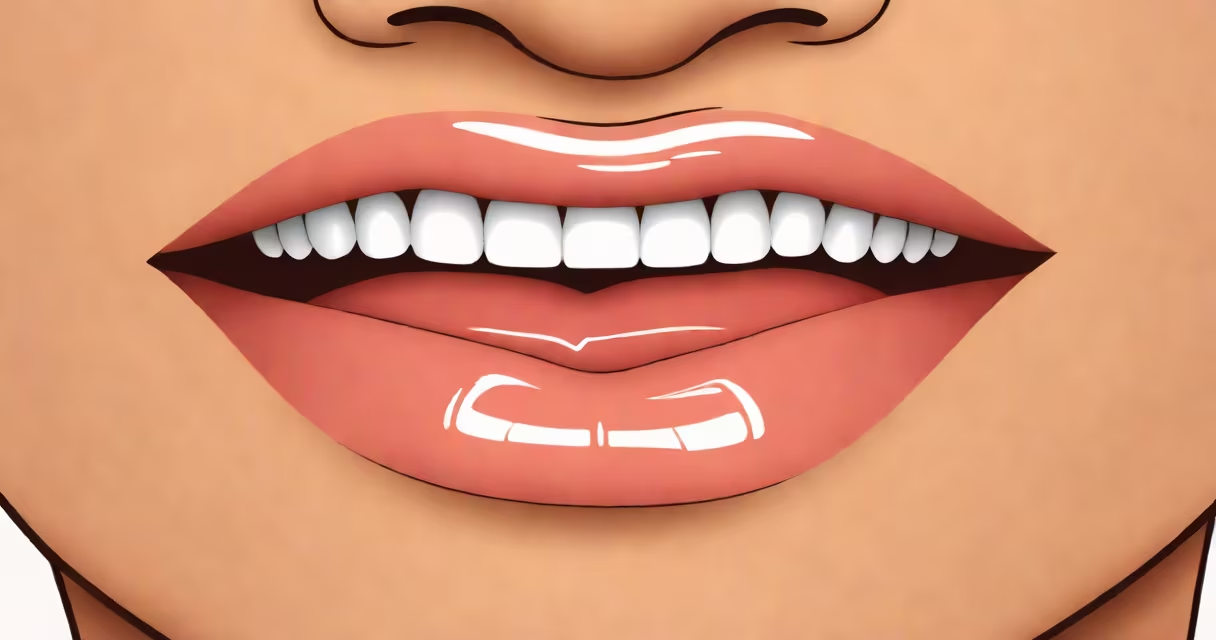
Thrush is a fungal infection caused by Candida albicans that appears as white, patchy lesions in the mouth and on the tongue. It affects people with weakened immune systems, those using antibiotics or corticosteroids, and infants. Treatment focuses on eliminating the fungus with antifungal medications and addressing underlying causes.
Oral thrush develops when Candida overgrows in the mucous membranes of the mouth. The fungus normally lives harmlessly in the mouth and digestive tract, but disruptions to the microbiome-such as antibiotic use, poor oral hygiene, or immunosuppression-allow it to proliferate. Symptoms include creamy white patches that may bleed when scraped, soreness, dry mouth, and difficulty swallowing. Left untreated, it can spread to the esophagus.
The Centers for Disease Control and Prevention (CDC) and the American Dental Association confirm that thrush is not contagious through casual contact but can recur in individuals with chronic conditions like diabetes or HIV. A diagnosis requires visual inspection and sometimes swab testing to rule out other infections.
First-line treatment for thrush involves topical antifungal agents applied directly to the affected areas. Nystatin suspension, available by prescription, is rinsed and swished in the mouth for 2 minutes before spitting it out. Patients typically use it four times daily for 7 to 14 days. This method targets the fungus locally without systemic absorption.
If nystatin fails or the patient cannot tolerate it, fluconazole-a systemic antifungal-is prescribed. A single 100 mg dose often clears mild cases. For persistent or severe infections, especially in immunocompromised patients, higher doses or longer courses are used. Fluconazole is effective because it inhibits ergosterol synthesis in fungal cell membranes, disrupting their integrity.
A 2021 study published in Clinical Infectious Diseases found that 92% of patients treated with fluconazole showed resolution within 7 days, compared to 68% with nystatin alone. The difference stems from fluconazole's ability to reach deeper tissues and maintain therapeutic levels in saliva.
Antifungal therapies fall into two categories: topical and systemic. Topical treatments are preferred for mild cases due to lower risk of side effects. Systemic drugs are reserved for refractory or widespread infections.
| Treatment Type | Medication Examples | Usage Duration | Best For |
|---|---|---|---|
| Topical | Nystatin oral suspension, clotrimazole troches | 7-14 days | Mild cases, infants, patients avoiding systemic drugs |
| Systemic | Fluconazole (oral tablet), itraconazole (capsule) | 3-7 days (single dose or multiple) | Recurrent, severe, or esophageal involvement |
Clotrimazole lozenges dissolve slowly in the mouth and deliver high local concentrations. They're used once daily for 7 to 14 days. These are less effective in patients with dry mouth, which reduces drug contact time.
Many assume thrush is a sign of poor hygiene. While oral care matters, thrush is not caused by dirt or neglect. It results from biological imbalances. A 2019 review in Journal of Oral Microbiology found that 40% of patients misattributed their symptoms to brushing too hard or dehydration.
Another error is self-treating with over-the-counter antifungals like miconazole gel. These are formulated for skin infections, not oral mucosa. Using them in the mouth risks irritation and ineffective dosing. The FDA warns against off-label use of dermatological antifungals for oral conditions.
Some patients stop medication early when symptoms improve. This leads to relapse. A 2022 study in Antimicrobial Agents and Chemotherapy showed that 37% of patients who stopped treatment prematurely had recurrence within two weeks. Completing the full course is essential.
Supportive care includes rinsing with salt water (1/2 tsp in 8 oz warm water) twice daily to reduce inflammation. Avoid sugary foods and alcohol-based mouthwashes, which can disrupt the oral microbiome. Brush teeth twice daily with a soft-bristled brush and replace the toothbrush after treatment ends to prevent reinfection.
For infants, cleaning pacifiers and bottle nipples with boiling water reduces transmission risk. Breastfeeding mothers should check for cracked or sore nipples, which can harbor Candida. If both mother and baby show signs, simultaneous treatment prevents cycling.
I once treated a 68-year-old man with diabetes who developed thrush after a course of amoxicillin. His blood glucose was poorly controlled. After switching to metformin and adding fluconazole, his symptoms resolved in five days. The key was managing his underlying condition-not just treating the fungus.
See a healthcare provider if white patches persist beyond 10 days, if pain interferes with eating, or if fever develops. Esophageal thrush presents as painful swallowing and chest discomfort. It requires endoscopy and systemic antifungals.
Recurrent thrush (more than four episodes per year) signals an undiagnosed issue such as HIV, uncontrolled diabetes, or immunodeficiency. The CDC recommends testing for HIV in adults with recurrent oral candidiasis. Early detection improves outcomes.
Do not delay care. Untreated thrush can lead to malnutrition, weight loss, and secondary bacterial infections. Prompt treatment restores quality of life and prevents complications.