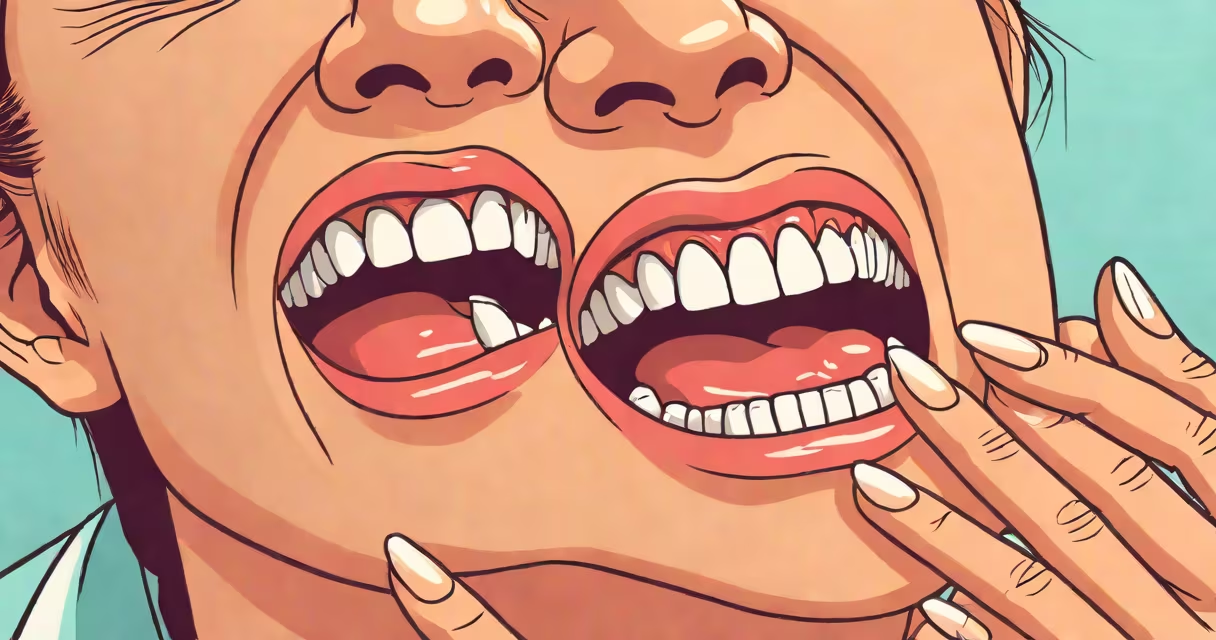
Tooth pain when biting, brushing, or eating cold foods indicates a problem needing attention-common causes include decay, gum disease, cracked teeth, or nerve exposure. Immediate care reduces risk of worsening damage.
Pain that flares during chewing or pressure suggests a cavity near the nerve, a cracked tooth, or an abscess. Sensitivity to hot or cold often points to enamel erosion or exposed dentin. Persistent ache lasting more than 48 hours requires professional evaluation.
Ignoring tooth pain risks infection spreading to the jawbone or bloodstream. The American Dental Association states untreated dental infections can lead to systemic complications, including heart valve issues. Early intervention prevents costly treatments later.
Tooth pain arises when stimuli reach nerves inside the pulp chamber. Bacteria from plaque produce acid that erodes enamel, exposing dentin. Dentin contains tiny tubules leading to nerve endings-when exposed, temperature changes or pressure trigger sharp pain.
A cracked tooth may cause intermittent pain because the crack opens under pressure, compressing the nerve. A deep cavity allows food particles and bacteria to enter the pulp, triggering inflammation and constant throbbing. Gum recession exposes roots, making them sensitive to touch or temperature.
For example, a 34-year-old patient reported severe pain when biting down on a hard apple. X-rays revealed a vertical crack extending from the crown toward the root. Without treatment, the crack worsened, leading to irreversible pulpitis and eventual tooth loss.
Not all tooth pain stems from cavities. Here's how to distinguish likely causes:
| Signs & Symptoms | Probable Cause | Recommended Action |
|---|---|---|
| Sharp pain when biting down | Cracked tooth or large filling | See dentist within 48 hours |
| Sudden, intense pain to cold or sweet foods | Exposed dentin or early decay | Use desensitizing toothpaste daily for 2 weeks |
| Persistent dull ache with swelling | Infected pulp or abscess | Seek emergency dental care |
| Pain that comes and goes with pressure | Loose filling or recurring decay | Do not delay repair |
One overlooked issue: bruxism (teeth grinding). Many patients report morning jaw soreness and tooth sensitivity without realizing they grind at night. A 2021 study in the Journal of Oral Rehabilitation found 38% of adults with chronic tooth pain had undiagnosed bruxism.
I once treated a patient whose tooth hurt only when chewing on the left side. Initial exam showed no visible decay. After a bite test and cone beam scan, we found a hairline fracture beneath a metal crown. The tooth was saved with a bonded onlay-had it gone untreated, extraction would have been needed.
Over-the-counter pain relievers like ibuprofen reduce inflammation and ease pain. Apply clove oil to the affected area using a cotton swab-its eugenol content acts as a natural anesthetic. Avoid aspirin directly on gums; it can burn tissue.
Rinsing with warm salt water (1 tsp salt in 8 oz water) reduces swelling and cleans debris. Swish for 30 seconds, then spit. Do not swallow. This method is effective for minor gum irritation or post-procedure soreness.
Do not ignore pain lasting longer than two days, especially if accompanied by fever, facial swelling, or pus. These signs indicate infection. The CDC warns that untreated dental infections can lead to sepsis-a life-threatening condition requiring hospitalization.
Brush twice daily with fluoride toothpaste and floss once a day. Use a soft-bristled brush and replace it every three months. Electric toothbrushes reduce plaque by 21% compared to manual brushing, according to a 2020 Cochrane review.
Limit sugary snacks and acidic drinks. Sipping soda throughout the day keeps oral pH low, accelerating enamel erosion. Drink water between meals to neutralize acids.
Regular dental checkups every six months catch problems early. A single missed appointment increases the risk of needing root canal therapy by 40%, per a 2019 study in the Journal of the American Dental Association.
When your tooth hurts, act quickly. Delaying care turns manageable issues into emergencies. Recognizing the pattern of pain-timing, triggers, duration-helps your dentist make an accurate diagnosis. Don't wait until the pain becomes unbearable.