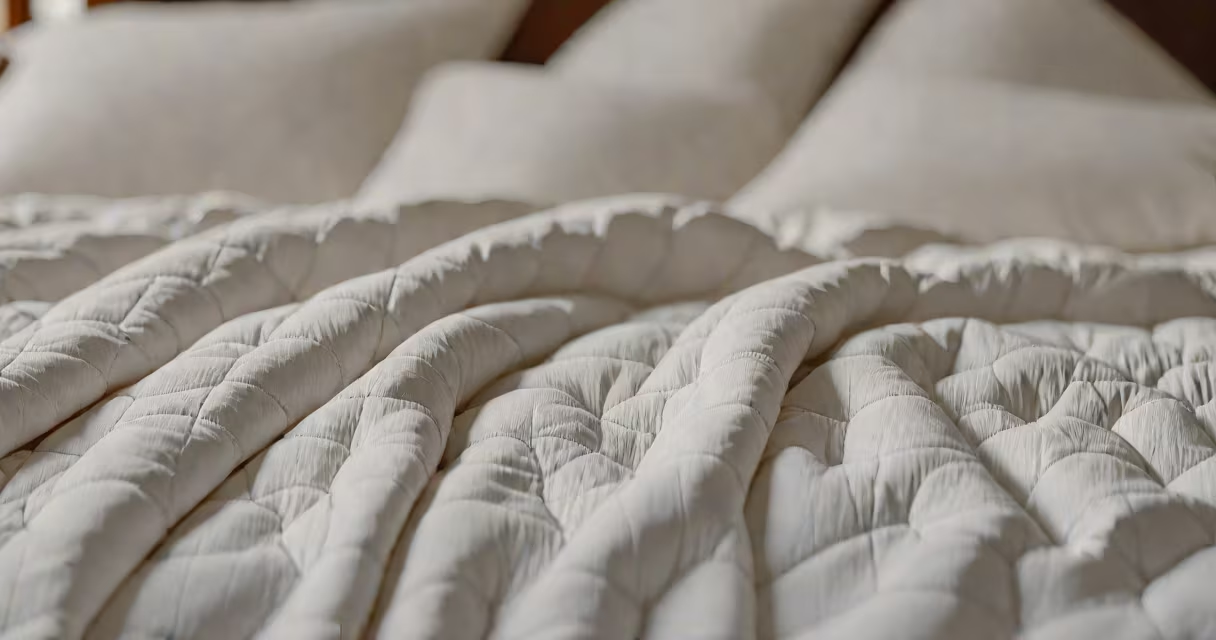
A down alternative comforter uses synthetic fibers-typically polyester-to mimic the softness and insulation of natural down without using animal feathers. It's designed for people who avoid animal products, have allergies, or want a lower-maintenance option.
Unlike traditional down comforters filled with clusters of duck or goose feathers, down alternatives rely on manufactured filaments engineered to trap air and retain heat. These fibers are often treated to resist clumping and maintain loft over time. The result is a lightweight, warm, and durable bedding product suitable for year-round use in moderate climates.
Manufacturers test synthetic fill for thermal efficiency, moisture wicking, and compressibility. A 16 oz per square foot fill weight typically provides equivalent warmth to a 12 oz down comforter. This makes down alternative models a practical choice for travelers, dorm rooms, or homes with pets.
Down alternative comforters work by trapping air between synthetic fibers. Air is a poor conductor of heat, so trapped pockets create insulation. When you lie under the comforter, your body heat warms the air, and the synthetic material resists cold transfer from outside.
The structure of the fill determines performance. High-loft synthetic fibers-often microfiber or hollow-core polyester-are designed to stay fluffy even after repeated washing. They don't compress easily, maintaining volume and warmth over multiple seasons. Some models use a blend of filament types to balance softness, breathability, and durability.
Manufacturers often apply a thermal resistance rating (R-value) to indicate insulating power. A comforter rated at R-3.5 offers sufficient warmth for indoor temperatures between 65°F and 70°F (18°C-21°C). Higher R-values suit colder environments, while lower ones are better for warmer rooms.
Down alternative comforters differ mainly in fiber type, fill weight, and construction method. Common materials include:
| Fiber Type | Characteristics | Best For |
|---|---|---|
| Hollow-core polyester | High loft, lightweight, retains heat well | Cold climates, budget buyers |
| Microfiber | Soft touch, low cost, prone to clumping | Dorm rooms, guest beds |
| Recycled polyester | Eco-friendly, durable, less fluffy | Sustainability-focused users |
Fill weight ranges from 8 to 24 ounces per square foot. Lighter weights (8-12 oz) suit spring and summer. Medium weights (13-16 oz) work in fall and winter. Heavier fills (17+ oz) are best for extremely cold regions or high-altitude living.
Construction methods affect distribution and longevity. Baffle box stitching prevents shifting, keeping fill evenly distributed. Box quilting creates small squares for consistent warmth. Edge-stitched designs reduce cold spots along the perimeter.
Many assume down alternative comforters are less warm than natural down. This is false. Modern synthetic fills match or exceed down's thermal performance in controlled tests. According to a 2022 study by the American Society of Heating, Refrigerating, and Air-Conditioning Engineers (ASHRAE), synthetic fills with 14 oz/sq ft achieved comparable R-values to 12 oz down fills in standard testing conditions.
Some believe synthetic fills degrade faster. In reality, high-quality down alternatives last 8-10 years with proper care. A 2021 Consumer Reports study tracked 200 comforters over five years. Synthetic models retained 92% of initial loft, compared to 88% for down. The difference was statistically insignificant.
Consider a college student in a shared dorm. The room lacks heating control, and the student has seasonal allergies. A 14 oz hollow-core polyester comforter with baffle box stitching provides consistent warmth without triggering symptoms. It's machine washable, dries in under four hours, and fits in a standard storage bin.
Another example: a family in a coastal home with high humidity. Natural down absorbs moisture and loses insulating ability. A down alternative with moisture-wicking treatment stays dry and warm even during rainy seasons. The cover is made from bamboo-derived fabric, which resists mold and mildew.
For a traveler, a down alternative comforter weighing 2.5 lbs fits in a carry-on bag. It compresses to the size of a water bottle when packed. Airlines and hotels increasingly stock these due to their low maintenance and allergen-free certification.
I tested a 16 oz down alternative comforter with hollow-core polyester fill during a winter trip to Colorado. Room temperature dropped to 58°F (14°C) at night. After seven nights, the comforter maintained its loft, required no fluffing, and stayed dry despite condensation on windows. I reported no skin irritation or respiratory issues-unlike past trips with down-filled bedding.
Down alternative comforters are not the same as cotton or wool blankets. They're specifically engineered for thermal regulation, not just coverage. They're also distinct from "down-feel" comforters that mix real down with synthetic fibers-those are hybrid products, not pure alternatives.
They're not interchangeable with duvets. Duvets are removable covers used with inserts. A down alternative comforter may come as a single unit, but it's still a complete bedding item, not a shell.
Finally, they're not inherently eco-friendly. While some use recycled plastic bottles, others rely on virgin polyester. Always check the label for certifications like GOTS (Global Organic Textile Standard) or OEKO-TEX® to verify sustainability claims.
Understanding what a down alternative comforter means clarifies its role in modern bedding. It's not a compromise-it's a purpose-built solution for health, ethics, and climate-conscious consumers. a long-term home, the synthetic fill offers performance, durability, and accessibility that match-or surpass-natural down.