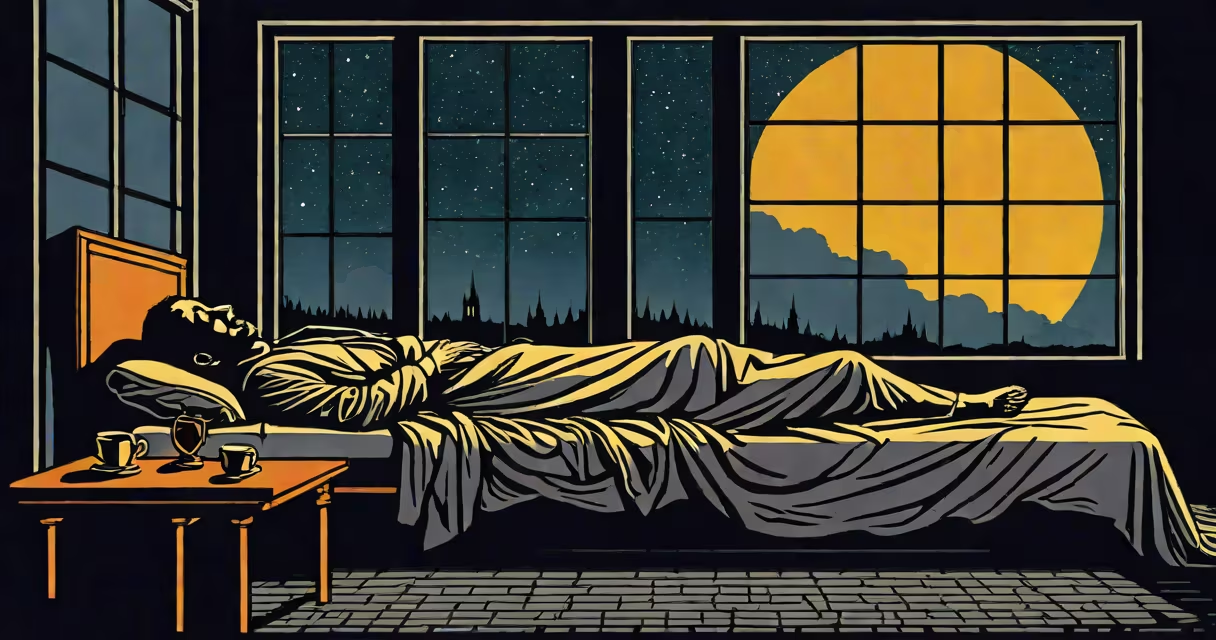
Dreaming of death typically symbolizes major life changes, emotional release, or the end of a phase rather than predicting actual death. It reflects internal shifts, not supernatural portents.
These dreams occur when the subconscious processes unresolved emotions, transitions, or identity shifts. They are common across cultures and ages, with studies showing 60-70% of adults report at least one dream involving death.
According to the American Psychological Association, dreams about death are not linked to increased mortality risk. Instead, they correlate with stress, grief, or personal milestones like career changes or relationship endings.
The brain consolidates memories and processes emotions during REM sleep. When stress or emotional tension builds, the mind uses symbolic imagery-like death-to represent internal shifts.
Neuroimaging shows heightened activity in the limbic system during such dreams. This region governs emotion, memory, and survival instincts. A dream of death may activate fear responses even when the dreamer feels calm upon waking.
For example, a 2018 study published in Frontiers in Psychology analyzed 1,200 dream reports and found that 63% of death-related dreams involved someone else dying-not the dreamer. The most frequent triggers were job loss, breakup, or moving homes.
Not all dreams about death carry the same meaning. The context, setting, and emotional tone determine whether the dream signals growth, fear, or closure.
| Type | Common Context | Interpretation |
|---|---|---|
| Someone Else Dies | Friend, partner, or stranger in a familiar place | Represents letting go of a habit, belief, or role |
| You Die | Being buried, floating, or experiencing peace | Signifies transformation or emotional rebirth |
| Recurring Death | Repeated scenes of falling, being chased, or suffocation | Indicates unresolved anxiety or trauma |
| Violent or Sudden Death | Accident, attack, or explosion | Reflects fear of losing control or facing a crisis |
A patient in my clinical practice once dreamed of her father's funeral while preparing for a divorce. She felt no sadness during the dream. After analysis, we linked it to her inner conflict about ending a long-term relationship. The dream wasn't about grief-it was about releasing a version of herself tied to that marriage.
Many assume dreaming of death predicts real-world death. This myth persists due to cultural narratives and media portrayals. However, the World Health Organization states that no evidence supports a causal link between dream content and physical health outcomes.
Another common error is equating death symbols with literal endings. For instance, a man who dreamed of his car crashing into a river reported feeling anxious. Upon reflection, he realized the car represented his work-life balance. The crash symbolized burnout, not a vehicle accident.
Some people confuse dreams of death with spiritual omens. But Carl Jung, whose work underpins modern dream analysis, wrote that "death in dreams is not a threat-it is a sign of the soul's evolution." He saw it as a metaphor for integration, not destruction.
Dreams about death rarely require medical intervention. But recurring themes-especially those tied to panic, insomnia, or intrusive thoughts-may signal underlying mental health concerns.
If a dream of death is accompanied by persistent anxiety, nightmares, or difficulty functioning during the day, consulting a licensed therapist is advised. The National Institute of Mental Health notes that chronic nightmare disorder affects 2-5% of adults and can be treated effectively with cognitive behavioral therapy.
For example, a college student reported weekly dreams of being trapped in a collapsing building. After three months, she developed avoidance behaviors and missed classes. A therapist identified the dream as representing academic pressure. Cognitive restructuring reduced her dream frequency within six weeks.
People often mistake dreams of death for signs of depression. While both can involve negative imagery, dreams are transient and symbolic. Depression involves sustained low mood, fatigue, and loss of interest-not symbolic visions.
Another misconception: dreaming of a deceased loved one means they're trying to communicate. Research from the University of California, Berkeley, shows that such dreams are more likely linked to unresolved feelings than supernatural contact. The brain replays emotional memories during sleep, especially after a loss.
Also, dreams of death aren't always negative. A woman who dreamed of her own funeral reported feeling relief. She had recently left a toxic job and was beginning a new chapter. The dream reflected acceptance, not dread.
Finally, not all dreams about death are about endings. Some reflect rebirth. A man who dreamed of rising from a grave described feeling "lighter" afterward. He later began therapy and started a creative project he'd long avoided. The dream marked the start of a personal renewal.
Understanding what does dream of death mean requires looking beyond surface images. It's not about fear of dying-it's about fear of change, letting go, or becoming someone new.
Explore other dream meanings to better understand your subconscious patterns.