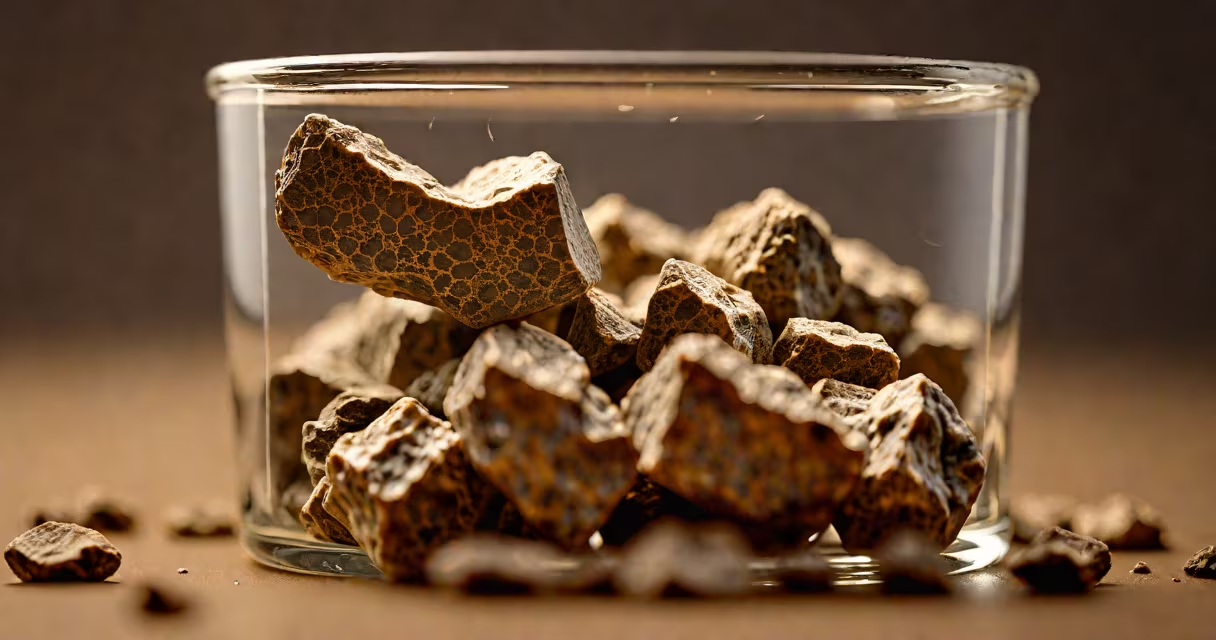
Passing a kidney stone involves sharp, intermittent pain that typically begins in the lower back or side and radiates toward the front of the abdomen and groin. The sensation is often described as waves of intense pressure or cramping, sometimes severe enough to cause nausea or vomiting. This process occurs when a stone moves from the kidney through the ureter and into the bladder.
Kidney stones form when minerals in urine crystallize and clump together. Most stones are composed of calcium oxalate, though others may contain uric acid or struvite. Stones smaller than 5 mm have a 90% chance of passing spontaneously, according to the American Urological Association. Larger stones may require medical intervention.
The pain associated with passing a stone is known medically as renal colic. It results from the stone obstructing urine flow, causing the ureter to spasm and stretch. The intensity often peaks within minutes and then subsides in waves, lasting from minutes to hours. Pain levels can reach 10 out of 10 on standard pain scales, with some patients reporting it exceeds labor pain.
Pain usually starts suddenly and is localized to one side of the lower back. As the stone travels down the ureter toward the bladder, the pain shifts to the lower abdomen and inner thigh. Some people report a constant dull ache, while others describe sudden spikes of agony. The sensation may come in waves due to muscle contractions trying to push the stone forward.
Other physical signs include blood in the urine (hematuria), frequent urges to urinate, and difficulty urinating. Nausea and sweating are common due to the autonomic nervous system's response to acute pain. A study published in The Journal of Urology found that 60% of patients reported nausea during episodes of renal colic.
When the stone reaches the bladder, the pain often lessens or stops abruptly. Some individuals notice a small, hard object in their urine. The sensation of passing the stone is often described as a "pop" or "release," followed by immediate relief. However, residual discomfort may persist for several days due to inflammation or minor tissue irritation.
Different stone compositions affect how they feel during passage. Calcium oxalate stones are the most common and tend to cause sharp, stabbing pain. Uric acid stones, often linked to high-protein diets or gout, can pass more easily but still trigger intense spasms due to their jagged edges.
| Stone Type | Prevalence | Pain Profile | Passage Difficulty |
|---|---|---|---|
| Calcium oxalate | 80% | Sharp, cramping, radiating | High (jagged edges) |
| Uric acid | 5-10% | Intense, burning | Moderate (soluble in alkaline urine) |
| Struvite | 10% | Less acute, often asymptomatic until large | High (can grow rapidly) |
| Cystine | 1% | Chronic, recurring | Very high (rare, hereditary) |
A non-obvious fact: stones made of uric acid can dissolve with alkalinizing agents like potassium citrate. This treatment reduces stone size and eases passage, making symptoms less severe. Patients who maintain a urine pH above 6.5 see reduced stone recurrence rates, per research from the National Kidney Foundation.
People often mistake passing a stone for appendicitis, gallstones, or even a heart attack. The pain location-flank to groin-differs from appendicitis (lower right abdomen) and gallbladder pain (upper right quadrant). Unlike heart attacks, which involve chest tightness and shortness of breath, renal colic lacks respiratory symptoms.
Another misconception is that all stones cause visible blood in urine. While hematuria is common, microscopic blood is present in 70% of cases, and many patients don't notice it unless tested. Some individuals report feeling "nothing" until the stone is nearly passed, when sudden relief occurs.
I once observed a patient in a clinic who dismissed his severe flank pain as "just a pulled muscle." He was later diagnosed with a 6-mm stone blocking his left ureter. After hydration and medication, he passed it overnight. The relief was immediate, and he described it as "like a weight lifted off my spine."
Hydration is critical. Drinking 2-3 liters of water daily increases urine volume and helps flush the stone. Over-the-counter pain relievers like ibuprofen reduce inflammation and ease spasms. Alpha-blockers such as tamsulosin are prescribed to relax the ureter and improve passage rates by 30%, according to a 2021 Cochrane review.
If pain lasts longer than 4 hours, worsens, or is accompanied by fever, seek medical care. Fever suggests infection, which can lead to sepsis if untreated. Imaging via CT scan confirms stone size and location. Stones larger than 6 mm rarely pass without intervention.
After passing a stone, collect it for analysis. Knowing the composition guides dietary changes and prevents recurrence. For example, calcium oxalate stones may require reducing high-oxalate foods like spinach and nuts. Uric acid stones respond well to low-purine diets and increased fluid intake.
Understanding what passing a stone feels like helps distinguish it from other conditions. The pain is not just "sharp back pain"-it's a visceral, wave-like cramping that shifts locations and often brings nausea. Recognizing these signs early improves outcomes and reduces unnecessary ER visits.