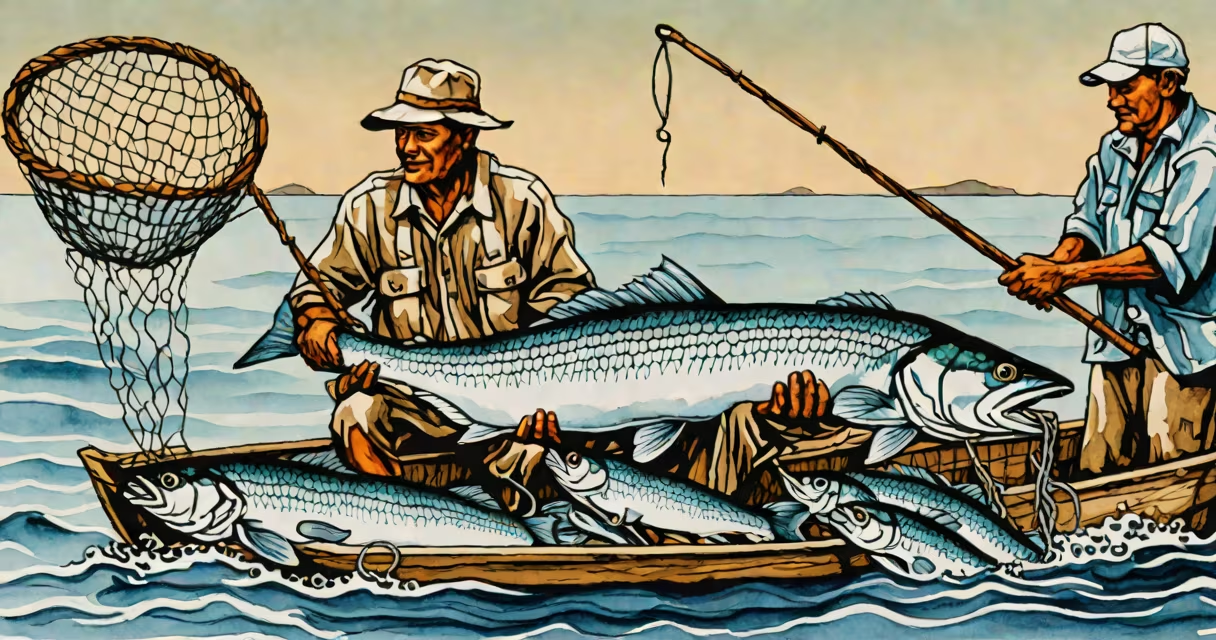
Wild caught fish are species harvested from their natural habitats-oceans, seas, rivers, or lakes-without human intervention in breeding, feeding, or habitat control. These fish live and grow naturally, relying on wild food chains and ecosystems.
This term applies to species like Atlantic salmon, Pacific cod, Alaskan pollock, and yellowfin tuna caught using methods such as trolling, gillnetting, longlining, or trawling. The fish are not raised in pens, fed formulated diets, or exposed to antibiotics common in aquaculture.
Wild caught fish are distinct from farmed fish, which are bred and raised in controlled environments. The difference affects nutrition, environmental impact, and food safety. For example, wild-caught salmon contains higher levels of omega-3 fatty acids and lower fat content compared to farm-raised versions.
Fishing operations targeting wild fish rely on seasonal patterns, migration routes, and natural abundance. Commercial fleets use sonar, satellite tracking, and traditional knowledge to locate schools of fish. Once located, nets, lines, or traps are deployed based on the target species and region.
For instance, Alaskan pollock is primarily caught using midwater trawls. These large nets are dragged through the water column, capturing fish without touching the seafloor. This method reduces damage to seabed habitats compared to bottom trawling.
Regulations govern how much fish can be taken in a season. Quotas prevent overfishing and protect spawning populations. In the U.S., the National Marine Fisheries Service enforces catch limits under the Magnuson-Stevens Act, which requires rebuilding depleted stocks within ten years.
Not all wild caught fish come from the same environment. Species are categorized by habitat and fishing method:
| Species | Habitat | Common Harvest Method | Sustainability Rating (MSC) |
|---|---|---|---|
| Alaskan Pollock | North Pacific Ocean | Midwater trawl | Green (Certified) |
| Pacific Cod | Bering Sea | Longline, pot | Green (Certified) |
| Atlantic Mackerel | North Atlantic | Seine net | Green (Certified) |
| Yellowfin Tuna | Tropical oceans | Longline, purse seine | Amber (Caution) |
The Marine Stewardship Council (MSC) certifies fisheries meeting strict standards for sustainability. As of 2023, over 200 fisheries worldwide hold MSC certification, including the Alaska pollock fishery, which supplies 60% of the U.S. market's frozen fish products.
Some wild caught fish are caught using pole-and-line methods, which minimize bycatch-the accidental capture of non-target species. For example, skipjack tuna caught via pole-and-line in the Western Pacific have a bycatch rate below 0.1%, compared to 15% in some purse seine operations.
Wild caught fish tend to have lower levels of contaminants like PCBs and dioxins than farmed fish. A 2020 study published in Environmental Science & Technology found that wild-caught Atlantic salmon had 30% less persistent organic pollutants than farm-raised counterparts due to natural diet and lower stocking density.
Environmentally, well-managed wild fisheries reduce pressure on marine ecosystems. Overfishing remains a major threat-about 34% of global fish stocks are overexploited, according to the Food and Agriculture Organization (FAO). But certified wild caught fisheries operate under science-based quotas and monitoring systems.
A common misconception is that all wild caught fish are sustainable. That's false. Some species, like bluefin tuna, face severe population declines due to high demand and illegal fishing. The International Union for Conservation of Nature (IUCN) lists Atlantic bluefin tuna as endangered, with wild populations reduced by 80% since the 1970s.
Another misunderstanding is that wild caught fish are always healthier. While they often contain more omega-3s, they may also carry higher mercury levels. Swordfish and shark, both wild caught, average 0.95 ppm mercury-well above the FDA's recommended limit of 0.3 ppm for consumption.
Many consumers assume "wild caught" means "organic." This is incorrect. There is no universal standard for "organic" in wild fish. Unlike poultry or produce, wild fish cannot be certified organic because they aren't grown under controlled conditions. The USDA does not regulate wild caught seafood labeling.
Similarly, "wild caught" doesn't imply "local." A can of wild caught tuna from the Pacific might be processed in Thailand and sold in Canada. Labeling laws require only that the country of origin be disclosed-not the distance traveled or carbon footprint.
I once visited a fish market in Seattle where a vendor labeled a package as "wild caught" despite the fish being imported from Norway. The label was technically accurate-Norwegian cod is wild caught-but misleading without context. This highlights the need to check species, origin, and certification, not just the label.
Look for third-party certifications. The Marine Stewardship Council (MSC) and Aquaculture Stewardship Council (ASC) provide traceable labels. MSC-certified fish carry a blue ecolabel with a chain-of-custody number. You can verify it online at msc.org.
Use tools like the Monterey Bay Aquarium's Seafood Watch app. It rates fish by sustainability and provides regional recommendations. For example, it advises avoiding Chilean sea bass due to overfishing, while endorsing wild caught sardines from California.
When shopping, ask retailers about the source. A fishmonger who knows the boat name, harvest date, and processing location likely sells responsibly sourced fish. Avoid vague terms like "fresh," "natural," or "premium"-these aren't regulated.
As a rule, prioritize species with low trophic level (e.g., anchovies, sardines, mackerel). They're lower on the food chain, reproduce quickly, and recover faster from harvesting. These species are less vulnerable to collapse than apex predators like tuna or swordfish.
Wild caught fish means fish taken from nature, not raised in farms. It's not automatically healthy or sustainable. The quality depends on species, method, location, and management. Always check for certification and consider environmental impact alongside taste and nutrition.
Understanding what wild caught fish means helps make informed choices. It's not just about flavor-it's about preserving ocean life, protecting food safety, and supporting responsible practices. When you see "wild caught," ask: Where did it come from? How was it caught? Is it certified?