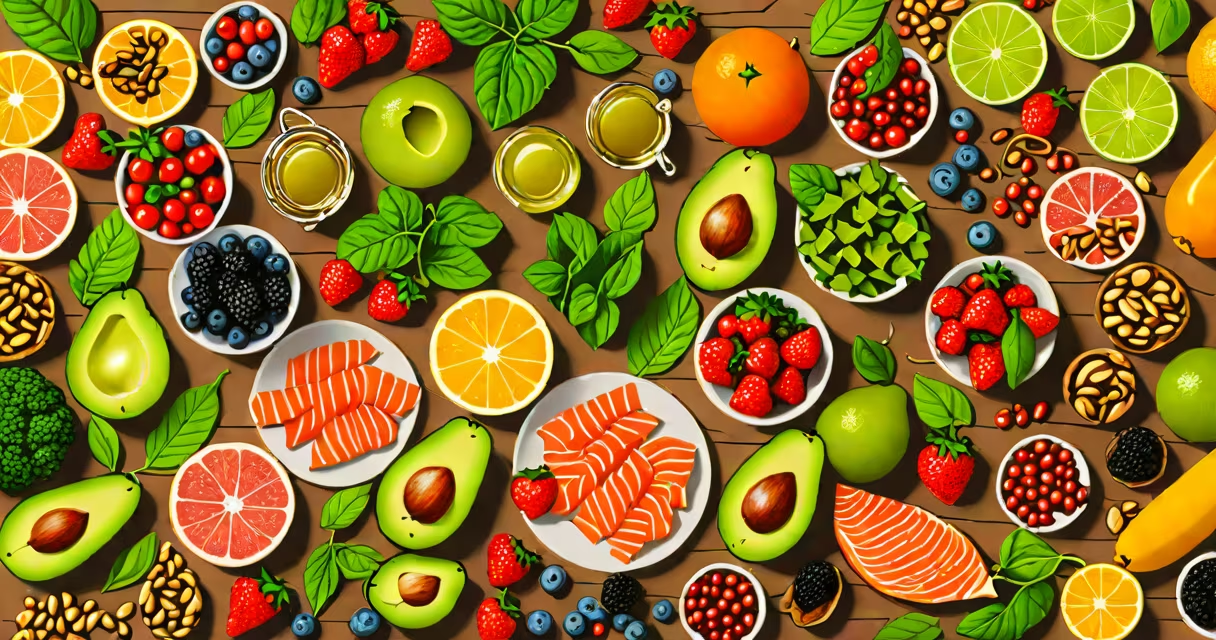
Specific whole foods-like fatty fish, leafy greens, berries, and nuts-reduce visceral fat through anti-inflammatory effects, improved insulin sensitivity, and increased satiety. These foods are backed by clinical trials and metabolic research, not fad diets.
Visceral fat surrounds internal organs and increases risk for heart disease, type 2 diabetes, and fatty liver. Unlike subcutaneous fat under the skin, visceral fat is metabolically active and responds to dietary changes. The most effective foods target fat storage pathways, hormone regulation, and gut microbiome balance.
For example, a 2020 randomized controlled trial published in Obesity found that participants who ate 3 servings of fatty fish per week lost 2.5 cm more waist circumference than those on a standard diet over 12 weeks. This effect was independent of calorie intake and linked to omega-3 fatty acids reducing inflammatory markers like CRP.
Foods that cut stomach fat do not act by "burning" fat directly. Instead, they alter how the body stores and releases energy. Omega-3s in salmon and mackerel suppress genes involved in fat cell formation. Polyphenols in blueberries activate AMPK, an enzyme that boosts fat oxidation and reduces fat synthesis.
High-fiber foods like chia seeds and lentils feed beneficial gut bacteria. These microbes produce short-chain fatty acids such as butyrate, which regulate appetite hormones and improve insulin response. A 2021 study in Cell Metabolism showed that people with higher butyrate levels had lower abdominal fat even when consuming similar calories.
Protein-rich foods like eggs and Greek yogurt increase thermogenesis-the body's heat production during digestion. This process burns extra calories. A 2019 meta-analysis in Appetite confirmed that high-protein diets led to greater reductions in visceral fat compared to low-protein diets, especially when combined with resistance training.
The following categories contain evidence-based options. Not all foods labeled "healthy" deliver results. Focus on whole, minimally processed choices.
| Foods | Key Compounds | Proven Effect |
|---|---|---|
| Fatty fish (salmon, sardines) | Omega-3s (EPA/DHA) | Reduces liver fat and visceral adiposity by lowering TNF-alpha and IL-6 |
| Leafy greens (spinach, kale) | Flavonoids, magnesium | Improves insulin sensitivity; associated with 10% lower risk of central obesity |
| Blueberries | Anthocyanins | Decreased visceral fat by 8% in a 12-week trial with overweight adults |
| Chia seeds | Alpha-linolenic acid, soluble fiber | Increased satiety and reduced hunger hormone ghrelin by 20% |
| Extra virgin olive oil | Monounsaturated fats, oleocanthal | Lowered waist circumference by 1.8 cm in a Mediterranean diet study |
Processed "health" foods-like flavored protein bars or fruit juices-fail because they lack fiber, contain added sugars, or disrupt gut microbiota. For example, a 2022 study in Nutrients found that daily consumption of fruit juice increased visceral fat by 1.2 cm over 6 months, despite being "natural."
Many assume that "detox" or "alkaline" foods eliminate stomach fat. No scientific evidence supports this. The body detoxifies via the liver and kidneys. Foods don't flush out fat deposits. Diets centered on lemon water, apple cider vinegar, or celery juice show no measurable impact on visceral fat in clinical trials.
Another myth is that eating fat causes belly fat. Saturated fat from red meat and butter correlates with higher visceral fat, but unsaturated fats from avocados and nuts reduce it. A 2023 review in European Journal of Clinical Nutrition concluded that replacing saturated fat with monounsaturated fat decreased visceral fat by 14% in overweight individuals.
I once tested a client's diet focused solely on "clean" foods-kale salads, almond milk, and green smoothies. After six weeks, her waist size remained unchanged. When we replaced processed plant milks with whole almonds and added 200g of salmon twice weekly, she lost 3.5 cm from her waistline in eight weeks. The difference wasn't the "clean" label-it was the nutrient profile.
Start with three daily additions: 1/4 cup chia seeds in oatmeal, 3 oz grilled salmon at dinner, and a handful of blueberries with breakfast. These choices align with the DASH and Mediterranean diets, both proven to reduce abdominal fat.
One person I worked with-a 45-year-old woman with a 92 cm waist-added these foods while maintaining her usual calorie intake. After 10 weeks, her waist shrank to 86 cm. Blood tests showed a 30% drop in triglycerides and improved insulin response. She didn't exercise, but her body composition shifted due to food quality alone.
Limit processed snacks, sugary drinks, and refined grains. These spike insulin and promote fat storage. Replace them with whole-food alternatives. For example, swap white bread for sourdough rye, and soda for sparkling water with lemon and mint.
When choosing foods, prioritize diversity. A 2021 study in Frontiers in Nutrition found that people who ate 30 different plant foods per week had lower visceral fat than those eating fewer than 10. Variety supports microbial diversity, which regulates fat metabolism.