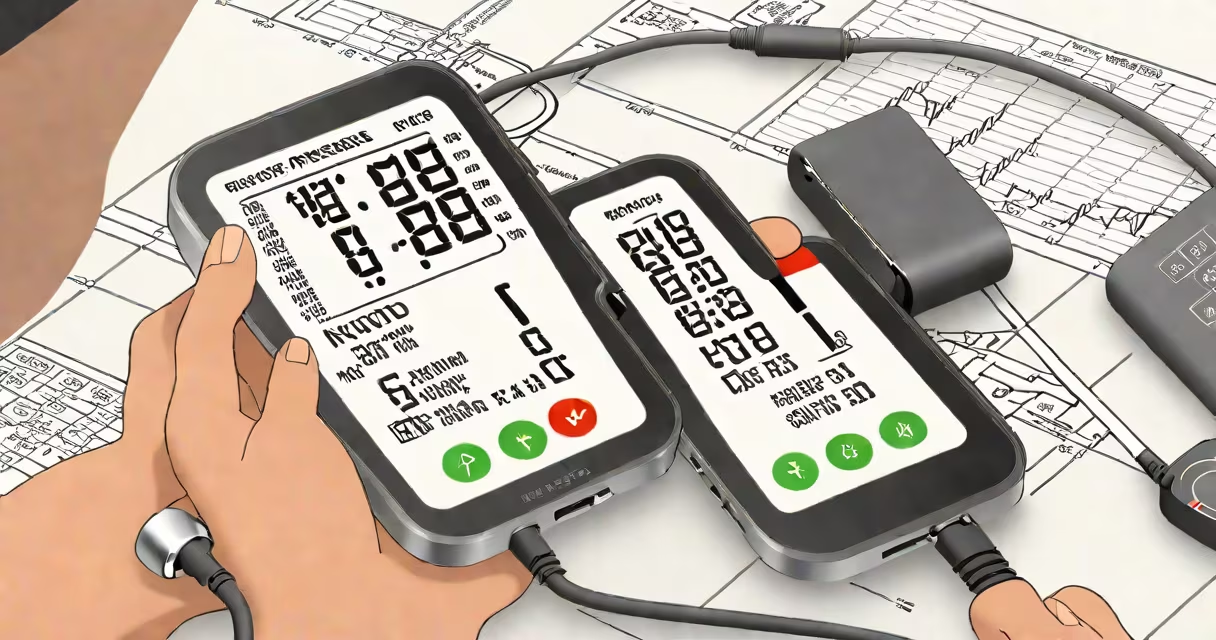
A slightly elevated blood pressure is a reading between 120/80 mm Hg and 129/89 mm Hg. This range indicates prehypertension, a stage where blood pressure is higher than normal but not yet classified as hypertension. It signals increased risk for cardiovascular events and warrants attention before medication becomes necessary.
The American Heart Association defines this zone as a warning sign. A single elevated reading doesn't diagnose a condition, but consistent values in this range suggest the need for monitoring and preventive action. For most people, this phase offers a window to reverse trends through diet, exercise, and stress management.
Normal blood pressure is below 120/80 mm Hg. Readings above 130/80 mm Hg qualify as stage 1 hypertension. The difference between 129/89 and 130/80 may seem small, but it marks a clinical threshold. Once past 130/80, treatment guidelines recommend lifestyle changes and often pharmacological intervention.
Blood pressure is measured in millimeters of mercury (mm Hg) using two numbers: systolic (top) and diastolic (bottom). Systolic pressure reflects the force exerted on arteries during heartbeats. Diastolic pressure measures pressure between beats, when the heart rests.
A reading of 128/84 mm Hg means systolic pressure is 128 mm Hg and diastolic is 84 mm Hg. Both values fall within the slightly elevated range. Even if only one number exceeds normal limits, the classification shifts. For example, 120/90 mm Hg is considered elevated because the diastolic value crosses the threshold.
Measurements should be taken after five minutes of rest, seated with feet flat on the floor. Using a properly sized cuff is critical-too small a cuff inflates falsely high. Home monitors are accurate when validated against clinical devices. The American Heart Association recommends using automated cuffs with proper calibration.
Slightly elevated blood pressure typically results from modifiable factors. Common contributors include excess sodium intake, sedentary behavior, obesity, chronic stress, and alcohol consumption. These factors increase vascular resistance or reduce arterial elasticity over time.
Some individuals develop prehypertension due to genetic predisposition. African Americans, for example, have higher rates of early-onset hypertension. Age also plays a role-blood pressure tends to rise gradually after age 40 due to stiffening arteries. However, even young adults can show elevated readings, especially with poor sleep habits or high caffeine intake.
| Blood Pressure Category | Systolic (mm Hg) | Diastolic (mm Hg) |
|---|---|---|
| Normal | <120 | <80 |
| Slightly Elevated | 120-129 | <80 |
| Stage 1 Hypertension | 130-139 | 80-89 |
| Stage 2 Hypertension | ≥140 | ≥90 |
Non-modifiable causes include kidney disease and hormonal imbalances such as hyperaldosteronism. These conditions affect fluid regulation and vessel tone. They're less common but should be ruled out if readings remain persistently high despite lifestyle changes.
People often dismiss slightly elevated blood pressure as harmless. This is incorrect. Research shows that individuals with prehypertension have a 30% higher risk of developing heart disease within ten years compared to those with normal readings, according to a 2021 study published in Circulation.
One misconception is that symptoms appear. Most people with prehypertension feel fine. There's no headache, dizziness, or fatigue. The absence of symptoms makes regular screening essential. Many cases go undetected until complications arise.
Another error is assuming that a single high reading confirms a problem. Blood pressure fluctuates throughout the day. A reading of 132/86 mm Hg at a doctor's office may not reflect true baseline levels. The American Heart Association advises confirming elevated readings with multiple measurements over several days.
John, a 42-year-old software engineer, had his annual checkup. His blood pressure was 128/84 mm Hg. He felt healthy, exercised twice weekly, and ate mostly home-cooked meals. His doctor noted the result as "slightly elevated" and recommended retesting in two weeks.
At home, John used a validated upper-arm monitor. Over three days, he recorded averages of 126/82 mm Hg. He reduced salt intake, added daily walks, and limited evening alcohol. After six weeks, his average dropped to 118/76 mm Hg. No medication was needed.
This case illustrates that early intervention prevents progression. John's story aligns with findings from the DASH (Dietary Approaches to Stop Hypertension) trial, which showed that dietary changes alone lowered systolic pressure by 11 mm Hg in prehypertensive individuals.
Many confuse slightly elevated blood pressure with anxiety-related spikes. While stress can raise readings temporarily, sustained elevation requires different management. Anxiety-induced increases usually normalize quickly after rest. Persistent readings above 120/80 mm Hg indicate a physiological trend, not a reaction.
Another confusion is equating blood pressure with cholesterol. High cholesterol contributes to plaque buildup; high blood pressure damages vessel walls. Both increase heart attack risk, but they're distinct processes. Treating one does not fix the other.
Some believe that only older adults need to monitor blood pressure. That's false. The CDC reports that nearly 30% of U.S. adults aged 20-39 have prehypertension. Early detection allows for better long-term outcomes.
If your blood pressure consistently lands in the slightly elevated range, focus on lifestyle modification. The American Heart Association recommends reducing sodium to under 1,500 mg per day, increasing potassium-rich foods like bananas and spinach, and aiming for 150 minutes of moderate activity weekly.
Even modest weight loss-5% of body weight-can lower systolic pressure by 5-10 mm Hg. Limiting alcohol to one drink per day for women and two for men also helps. Monitoring at home provides more accurate data than clinic visits alone.
Recognizing slightly elevated blood pressure early allows effective prevention. It's not a diagnosis, but a signal. Acting now reduces the chance of progressing to full hypertension and lowers risk of stroke, heart failure, and kidney disease.