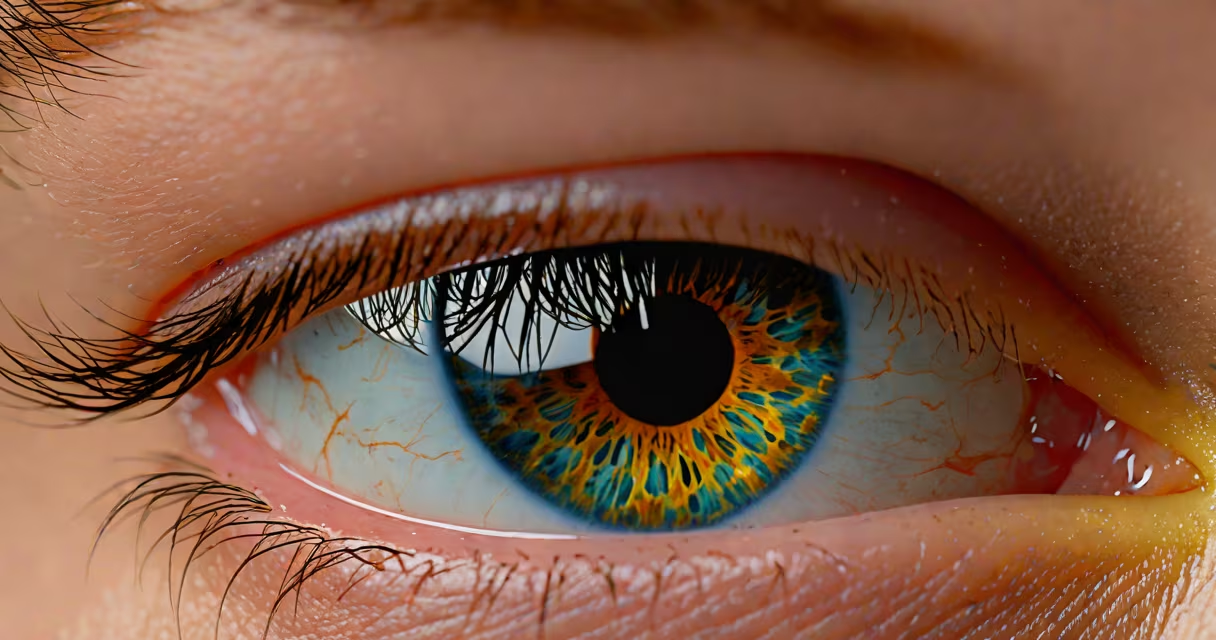
Conjunctivitis in newborns results from irritation or infection of the conjunctiva-the thin membrane covering the white of the eye and lining the eyelid-commonly due to exposure to pathogens during delivery. It typically appears within the first 24 to 48 hours after birth.
Two primary categories cause neonatal conjunctivitis: infectious agents and chemical irritants. The most frequent infectious causes are bacteria such as Chlamydia trachomatis and Neisseria gonorrhoeae, both of which can be transmitted from mother to baby during vaginal childbirth. Viral infections, particularly herpes simplex virus (HSV), are less common but carry higher risk of severe complications.
Chemical conjunctivitis occurs when prophylactic eye drops-usually erythromycin or silver nitrate-are applied shortly after birth to prevent infection. These drops can cause temporary redness and swelling, usually resolving within 24 to 48 hours. This form is not contagious and does not require antibiotic treatment.
After birth, a newborn's immune system is immature and vulnerable to pathogens present in the birth canal. The conjunctiva, rich in blood vessels and exposed to the external environment, becomes a site for rapid microbial colonization. Bacteria like Chlamydia and gonorrhea enter through the ocular surface and trigger inflammation, leading to redness, swelling, and discharge.
Chlamydial conjunctivitis typically presents 5 to 14 days after birth, with bilateral mucopurulent discharge and mild eyelid swelling. Gonococcal conjunctivitis develops faster-within 2 to 5 days-and causes severe, purulent discharge, significant swelling, and potential corneal ulceration. Both conditions require prompt diagnosis and treatment to prevent permanent vision damage.
Herpes simplex virus (HSV) conjunctivitis is rare but dangerous. It may appear as unilateral redness, vesicles on the eyelid, and persistent discharge. HSV can spread to the brain and central nervous system, making early intervention critical. A positive PCR test from a swab of the eye is required for confirmation.
The following table outlines the main causes of conjunctivitis in newborns, their onset timing, key symptoms, and recommended treatments.
| Type | Onset | Common Pathogens | Discharge Type | Treatment |
|---|---|---|---|---|
| Bacterial (Chlamydia) | 5-14 days | Chlamydia trachomatis | Mucoid, bilateral | Oral azithromycin (60 mg/day for 14 days) |
| Bacterial (Gonorrhea) | 2-5 days | Neisseria gonorrhoeae | Purulent, often unilateral | Intravenous ceftriaxone (50 mg/kg/day for 7-14 days) |
| Viral (Herpes) | 1-21 days | Herpes simplex virus (HSV-1 or HSV-2) | Clear or serous, often unilateral | IV acyclovir (60 mg/kg/day for 14-21 days) |
| Chemical (Prophylaxis) | Within 1 hour | Topical erythromycin or silver nitrate | Clear, transient | None-resolves spontaneously |
Chlamydial infections are the most frequently diagnosed cause of neonatal conjunctivitis in the United States, accounting for about 30% of cases, according to the Centers for Disease Control and Prevention (CDC). Gonococcal conjunctivitis is rarer, occurring in approximately 1 in 10,000 births, but requires urgent care due to its high risk of corneal perforation.
One non-obvious distinction is that chlamydial conjunctivitis often mimics allergic reactions-bilateral redness, watery discharge-but lacks itching, which is typical in allergies. Misdiagnosis can delay treatment. A 2021 study in *Pediatrics* found that 22% of initial diagnoses were incorrect due to symptom overlap.
Conjunctivitis in newborns is frequently confused with dacryocystitis-a blockage in the tear duct causing chronic tearing and discharge. Dacryocystitis usually begins around 2 weeks of age and involves persistent tearing from one eye, often with a bluish swelling near the inner corner of the eye. Unlike conjunctivitis, it doesn't involve redness or discharge from the conjunctiva itself.
Another common misdiagnosis is neonatal herpes. While herpes conjunctivitis is rare, it can progress rapidly to keratitis and retinitis. A single episode of eye redness in a newborn should prompt evaluation for HSV, especially if there's a history of maternal genital herpes or active lesions at delivery.
I once observed a case in a hospital nursery where a newborn presented with bilateral eye discharge and mild redness. Initial assessment labeled it "chemical conjunctivitis" due to erythromycin drops. But after 48 hours, the discharge became thick and yellow. A culture confirmed Neisseria gonorrhoeae. The infant was transferred to the NICU and treated with IV ceftriaxone. Early recognition prevented corneal scarring.
Universal screening for chlamydia and gonorrhea in pregnant women is recommended by the American College of Obstetricians and Gynecologists (ACOG). Treating infected mothers reduces transmission risk by up to 90%. Routine application of erythromycin ointment to newborns' eyes prevents up to 95% of gonococcal and chlamydial infections, per CDC guidelines.
For mothers with known HSV, cesarean delivery is advised to reduce neonatal exposure. If a mother has active genital lesions at delivery, the newborn should receive antiviral therapy even if asymptomatic.
Parents should monitor for signs of conjunctivitis: redness, swollen eyelids, excessive tearing, or yellow/green discharge. Any suspicion warrants immediate pediatric ophthalmology referral. Delayed treatment increases the risk of permanent visual impairment.
Early diagnosis and targeted treatment are essential. For example, a 2020 case report in *The Journal of Pediatrics* described a term infant who developed bilateral purulent discharge at 3 days old. Cultures identified N. gonorrhoeae. After 10 days of IV ceftriaxone, vision remained normal at 6-month follow-up. Prompt action prevented irreversible damage.