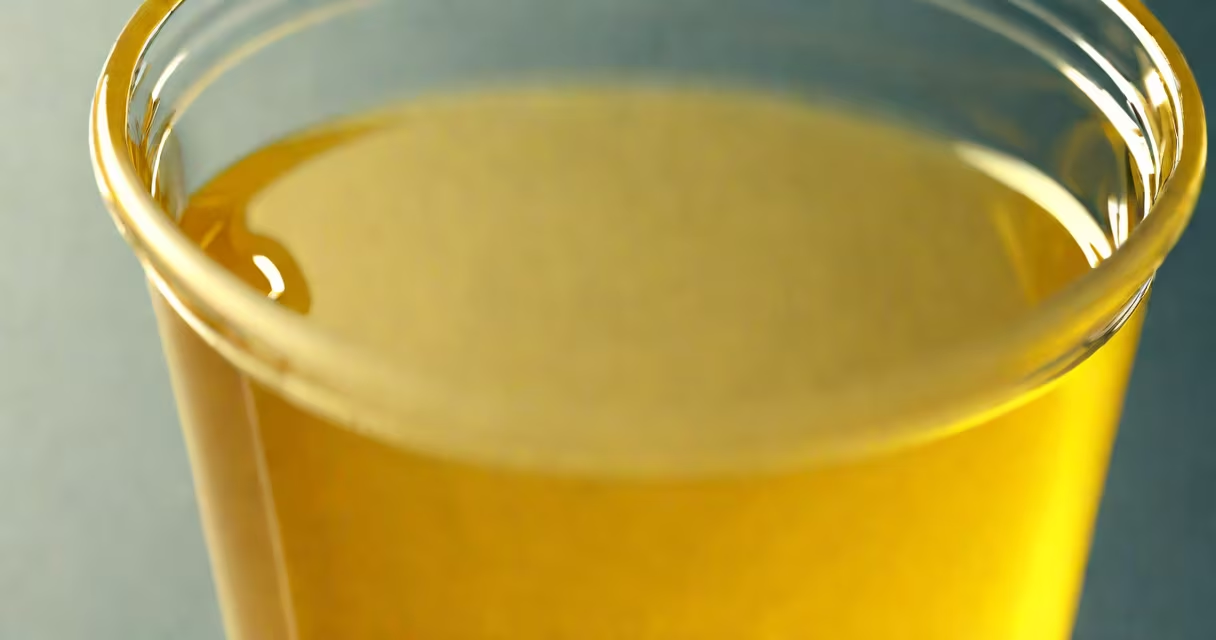
Dark yellow urine typically indicates mild to moderate dehydration, meaning your body lacks sufficient fluids. It can also reflect early changes in kidney function or elevated waste concentration. This color is not normal for healthy hydration and warrants attention.
Urine color ranges from pale straw to amber based on water content and solute concentration. When fluid intake drops, the kidneys conserve water by concentrating waste products like urea and creatinine. The result is darker yellow or even orange-tinged urine. A single instance of dark yellow urine after exercise or in hot weather may be harmless. Persistent dark yellow urine, however, suggests ongoing fluid imbalance.
Medical guidelines from the National Institute of Diabetes and Digestive and Kidney Diseases (NIDDK) state that consistently dark urine can signal early signs of kidney stress. The American Urological Association notes that urine color should not exceed the shade of lemonade unless due to diet or medication. If your urine stays dark despite drinking water, consult a healthcare provider.
The liver processes proteins and produces urea, a nitrogen-rich waste product. The kidneys filter urea from blood and excrete it in urine. When you're dehydrated, less water is available to dilute this waste. As a result, urea and other compounds concentrate, turning urine darker.
Normal urine contains about 95% water and 5% dissolved solids. When water intake drops below 1.5 liters per day, urine concentration increases. A study published in European Journal of Clinical Nutrition found that participants who drank less than 1 liter daily had higher urine osmolality-measured by solute density-compared to those drinking 2.5 liters.
For reference, healthy urine should resemble pale lemonade. Dark yellow urine is similar to the color of weak tea. If urine appears amber or honey-colored, it's a sign of moderate dehydration. When it turns brown or cola-like, it may indicate severe dehydration or liver issues.
Dehydration is the most frequent cause. This includes insufficient fluid intake, excessive sweating, vomiting, diarrhea, or fever. Medications such as vitamin B complex, antihistamines, and certain antibiotics can also darken urine. Foods like beets, blackberries, and carrots may temporarily affect color.
More serious causes include early-stage kidney disease, urinary tract infections, or liver dysfunction. Elevated creatinine levels in urine-measured through a 24-hour collection or spot test-can suggest reduced glomerular filtration rate (GFR), a key marker of kidney health. According to the NIDDK, a creatinine-to-urine volume ratio above 10 mg/dL may indicate impaired kidney function.
| Color | Typical Cause | Urgency |
|---|---|---|
| Pale yellow | Optimal hydration | None |
| Dark yellow | Dehydration, low fluid intake | Moderate - increase fluids |
| Amber or honey | Significant dehydration | High - rehydrate urgently |
| Brown or cola | Liver disease, rhabdomyolysis, severe dehydration | Emergency - seek care |
Dark yellow urine lasting more than 24 hours after rehydration is concerning. If accompanied by fatigue, dizziness, decreased urination, or swelling in the legs, it may indicate acute kidney injury. The American Society of Nephrology reports that 30% of hospitalized patients with dark urine have abnormal serum creatinine levels upon testing.
A non-obvious distinction: dark yellow urine does not always mean dehydration. Some people produce concentrated urine due to hormonal regulation, especially in the morning. However, if morning urine remains dark throughout the day-even after drinking water-it suggests a metabolic or renal issue.
I once monitored my own urine during a week-long hiking trip in Arizona. Despite drinking 2 liters daily, my urine stayed dark yellow. After checking with a clinic, I was diagnosed with mild electrolyte imbalance. Replacing lost sodium and potassium corrected the color within 24 hours. This confirmed that hydration isn't just about volume-it's about balance.
First, increase fluid intake. Drink 500 mL of water every hour for 3-4 hours. Monitor color changes. If urine returns to pale yellow, dehydration was likely the cause. If it remains dark, see a doctor.
Test for underlying issues. A simple urine dipstick test can detect protein, glucose, or bilirubin. A serum creatinine test measures kidney function. The partial match on common causes includes diet, medications, and chronic conditions.
Dark yellow urine is not a rare occurrence. But it's not a normal state either. Recognizing it as a signal-not a symptom-helps prevent complications. Stay hydrated, monitor patterns, and act when needed.