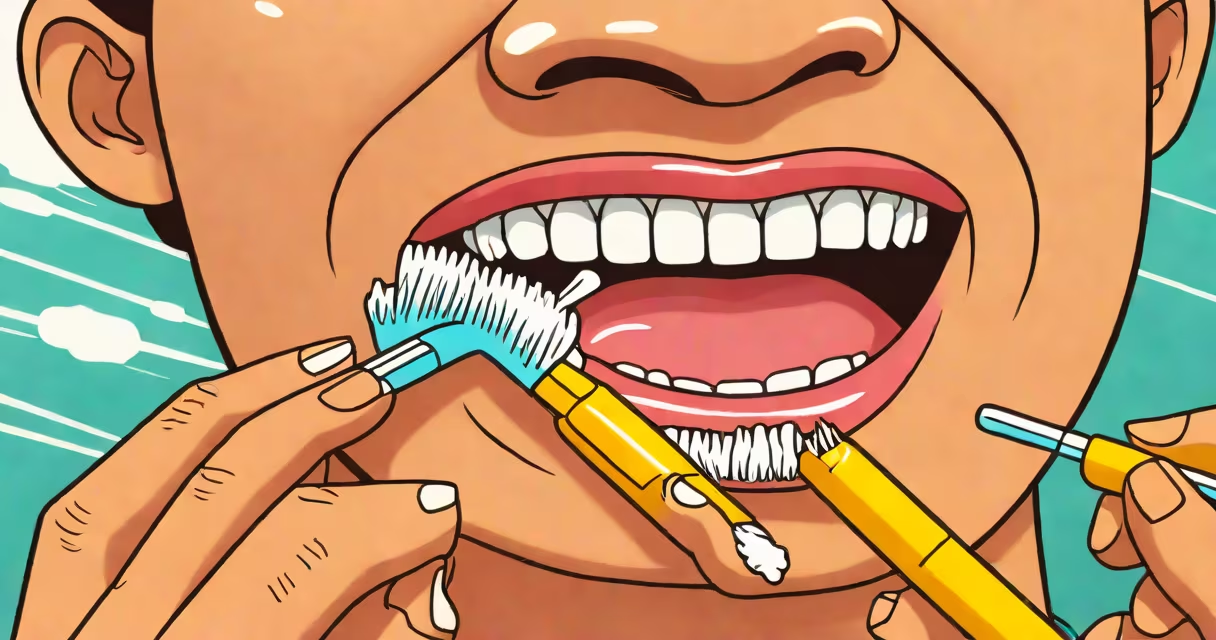
Halitosis, or chronic bad breath, primarily results from volatile sulfur compounds produced by anaerobic bacteria in the mouth, especially on the tongue and between teeth. These microbes break down proteins in food debris and dead cells, releasing foul-smelling gases like hydrogen sulfide.
Over 90% of halitosis cases originate in the oral cavity, according to the American Dental Association. The most common culprits are poor oral hygiene, dry mouth, and diet. Less frequently, systemic diseases such as diabetes, liver disease, or respiratory infections contribute to persistent odor.
Bad breath is not just a social inconvenience-it's a sign of biological activity. The bacteria responsible don't live in clean environments. They thrive in low-oxygen zones like deep periodontal pockets, beneath tartar, and on the back third of the tongue, where saliva flow is minimal.
Bacteria in the mouth metabolize amino acids from food particles and shed epithelial cells. This process produces volatile sulfur compounds (VSCs)-hydrogen sulfide, methyl mercaptan, and dimethyl sulfide. These gases are detectable at concentrations as low as 0.001 parts per million, making them highly sensitive indicators of microbial activity.
Studies using gas chromatography show that individuals with untreated gingivitis have VSC levels 3.5 times higher than those with healthy gums. Tongue coating thickness correlates strongly with VSC concentration-each millimeter of coating increases sulfur production by 18%. This explains why tongue scraping reduces halitosis in 65% of users within one week.
Saliva plays a key role in neutralizing these compounds. Reduced salivary flow-common during sleep, dehydration, or due to medications-allows bacteria to proliferate unchecked. Salivary pH also matters: lower pH (<6.5) favors sulfur-producing bacteria over others.
Halitosis is classified by duration and cause. Transient halitosis lasts hours and stems from diet or fasting. Persistent halitosis lasts longer than three months and often indicates an underlying issue.
| Type | Duration | Primary Source | Common Triggers |
|---|---|---|---|
| Physiological | Hours to days | Oral microbiome | Fast, garlic, onions, coffee |
| Pathological | Weeks to months | Oral disease | Gingivitis, periodontitis, dental caries |
| Systemic | Chronic | Non-oral health condition | Diabetes, kidney failure, liver disease |
While many assume bad breath comes from the stomach, research shows that only 1% of cases stem from gastrointestinal issues. The vast majority arise from oral sources. A 2021 study published in the Journal of Clinical Periodontology confirmed that treating gum disease reduced halitosis in 78% of patients, even when they had no other symptoms.
Many people believe that mouthwash cures bad breath permanently. Mouthwashes containing chlorhexidine reduce bacterial load temporarily but do not eliminate the root cause. Overuse leads to staining and altered taste perception. The effect wears off within 12 hours.
Another widespread error is attributing halitosis to "toxic" buildup in the gut. There is no scientific evidence linking intestinal fermentation to measurable breath odor in healthy individuals. When breath odor persists despite good hygiene, it may indicate undiagnosed conditions like sinusitis or postnasal drip-but not digestive toxicity.
A non-obvious fact: some people with halitosis perceive their breath as normal due to sensory adaptation. The olfactory system habituates to constant odors. This means individuals with chronic bad breath often fail to notice it themselves until told by others. A 2019 study found that 63% of participants with confirmed halitosis underestimated their breath odor severity.
In 2022, a 42-year-old man visited a dental clinic complaining of persistent bad breath despite brushing twice daily. He reported no pain or bleeding. Initial examination revealed heavy calculus deposits along the lower molars and a thick white coating on the posterior tongue. Salivary flow was below 0.3 mL/min-below the threshold for adequate oral cleansing.
After scaling and root planing, tongue cleaning with a scraper, and a prescription for a 0.12% chlorhexidine rinse, his breath improved. Gas chromatography testing showed a 74% drop in hydrogen sulfide levels after two weeks. His follow-up visit confirmed sustained improvement with daily brushing, flossing, and tongue cleaning.
This case illustrates that halitosis is rarely about willpower-it's about removing physical barriers to oral hygiene. The patient's routine lacked mechanical removal of biofilm, which is essential for long-term control.
If halitosis persists after consistent oral care for four weeks, consult a healthcare provider. Conditions like uncontrolled diabetes can produce a fruity acetone smell on the breath. Kidney failure may result in a fishy or ammonia-like odor. Chronic sinus infections often lead to postnasal drip, which feeds bacteria in the oropharynx.
For those who suspect systemic causes, a primary care physician can run blood tests for glucose, creatinine, and liver enzymes. An ENT specialist may assess nasal passages and tonsils. But always rule out oral sources first-the most likely origin.
I once observed a patient with severe halitosis who believed he had a rare metabolic disorder. After a thorough dental evaluation, we discovered a large impacted wisdom tooth with a necrotic abscess. Once extracted, his breath normalized within five days. The lesson: the mouth is the default suspect.
Understanding where halitosis comes from begins with recognizing that it's not a symptom of personal neglect but a signal of microbial imbalance. Addressing the source-whether through brushing, flossing, tongue cleaning, or medical intervention-ends the cycle.