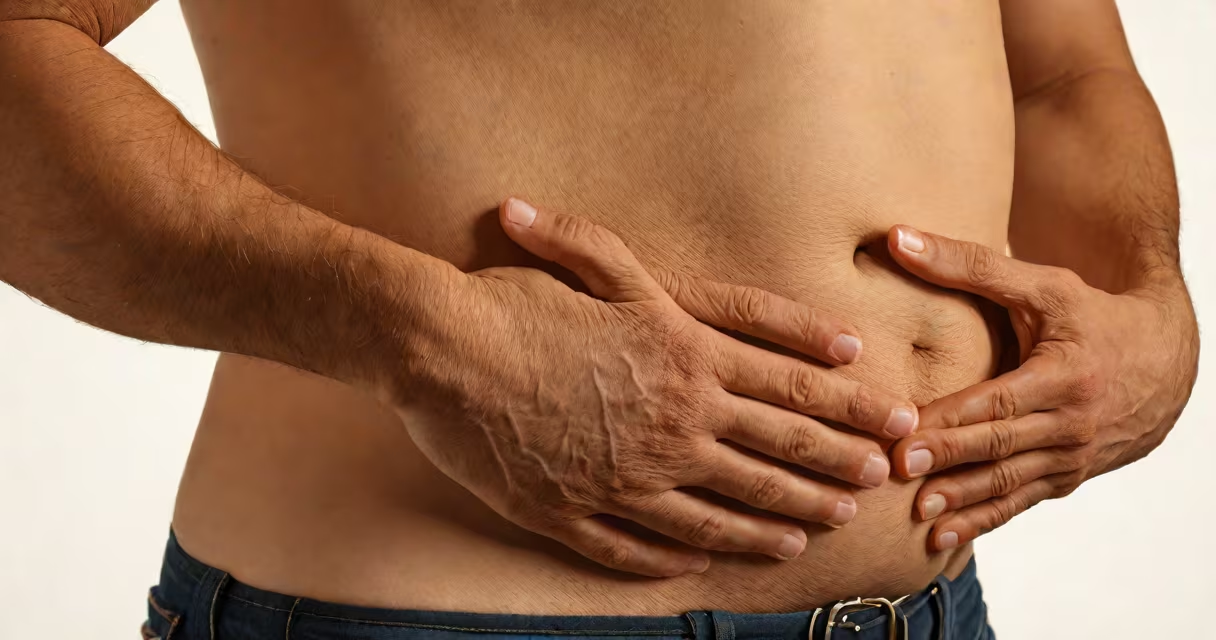
Pain on the left side of the stomach originates from organs and structures in the left abdominal quadrant, including parts of the colon, spleen, pancreas, kidneys, and reproductive organs. This pain may feel dull, sharp, cramping, or constant, depending on the underlying cause.
The left side of the abdomen houses several key systems. The descending colon processes waste and can develop diverticulitis-a condition where small pouches in the colon wall become inflamed. The spleen filters blood and fights infection but can rupture due to trauma, causing sudden, severe pain. The left kidney lies beneath the ribcage and can develop stones or infections. The pancreas, though central, extends into the left upper quadrant and may trigger pain during acute pancreatitis.
Common triggers include dietary changes, constipation, physical strain, or stress. However, persistent or worsening pain requires medical evaluation. A 2022 study in Frontiers in Medicine found that 38% of patients presenting with left-sided abdominal pain had a non-gastrointestinal origin, such as urological or musculoskeletal causes, underscoring the need for accurate diagnosis.
Pain signals travel from nerves in the abdominal wall and internal organs to the spinal cord and brain. The sensation's location depends on which nerve pathways are activated. For example, irritation of the parietal peritoneum-the lining of the abdominal cavity-causes sharp, localized pain. Visceral pain from hollow organs like the intestines often feels crampy or diffuse.
When the left colon becomes obstructed or inflamed, pressure builds, stretching the intestinal wall and activating nociceptors. These send signals via the splanchnic nerves to the thoracic spinal segments T10-T11, which the brain interprets as pain in the lower left abdomen. Similarly, a kidney stone moving through the ureter can cause colicky pain radiating from the flank to the groin.
Not all left-sided pain stems from internal organs. Muscle strains from twisting or heavy lifting can mimic visceral pain. A 2021 review in Journal of Clinical Medicine noted that 12% of patients reporting left abdominal pain were later diagnosed with musculoskeletal conditions, highlighting the importance of physical exam findings.
Left-sided abdominal pain varies by location and quality. Below is a breakdown of likely origins based on symptom pattern:
| Location | Pain Quality | Common Causes | Red Flags |
|---|---|---|---|
| Lower left abdomen | Dull, cramping, intermittent | Diverticulitis, constipation, irritable bowel syndrome (IBS) | Fever, vomiting, inability to pass stool |
| Upper left abdomen | Deep, aching, worsens with breathing | Spleen injury, pancreatitis, gastritis | Recent trauma, jaundice, unexplained weight loss |
| Flank (side of back, below ribs) | Sharp, radiating to groin | Kidney stones, pyelonephritis | Severe pain, blood in urine, chills |
| Lower left back and hip area | Stiffness, burning, worsens with movement | Muscle strain, herniated disc, sciatica | Pain persists beyond 48 hours, numbness in leg |
Diverticulitis affects about 1 in 5 adults over 60, according to the National Institute of Diabetes and Digestive and Kidney Diseases (NIDDK). It often presents with left lower quadrant pain, fever, and changes in bowel habits. A CT scan confirms the diagnosis in 95% of cases.
Sharp pain left side of stomach under ribs may indicate pancreatitis. Alcohol use and gallstones are leading risk factors. The American Gastroenterological Association reports that 70% of acute pancreatitis cases involve alcohol or biliary disease.
People often mistake left-sided abdominal pain for heart-related issues, especially when pain radiates to the shoulder or arm. However, cardiac pain typically occurs behind the sternum and may be associated with shortness of breath or sweating. A 2020 study in Annals of Internal Medicine found that 15% of patients with atypical chest pain had gastrointestinal origins, including left-sided abdominal pain misattributed to angina.
Another frequent error is attributing pain to "gas" without evaluating for more serious conditions. While gas can cause bloating and cramping, it rarely causes persistent, localized pain. A patient I saw in clinic reported daily left-sided pain for two weeks, initially dismissed as gas. An ultrasound revealed a 1.2 cm kidney stone blocking the ureter-confirmed by CT scan.
Women may confuse pelvic pain with menstrual cramps. Left ovarian cysts or ectopic pregnancy can mimic period pain but require immediate attention. The American College of Obstetricians and Gynecologists states that ectopic pregnancies account for 2% of all pregnancies but cause 10% of maternal deaths in early pregnancy.
Seek care if pain lasts more than 24 hours, worsens, or is accompanied by fever, vomiting, blood in stool or urine, or inability to pass gas or stool. Sudden, severe pain that makes standing difficult suggests a surgical emergency-such as a perforated ulcer or ruptured organ.
For mild, transient pain, home management includes hydration, rest, and avoiding irritants like spicy foods or alcohol. Over-the-counter antacids or anti-gas medications may help. But if symptoms persist beyond 48 hours, consult a provider.
Understanding the source of pain left side of stomach prevents unnecessary anxiety and ensures timely treatment. Always prioritize symptoms over assumptions.