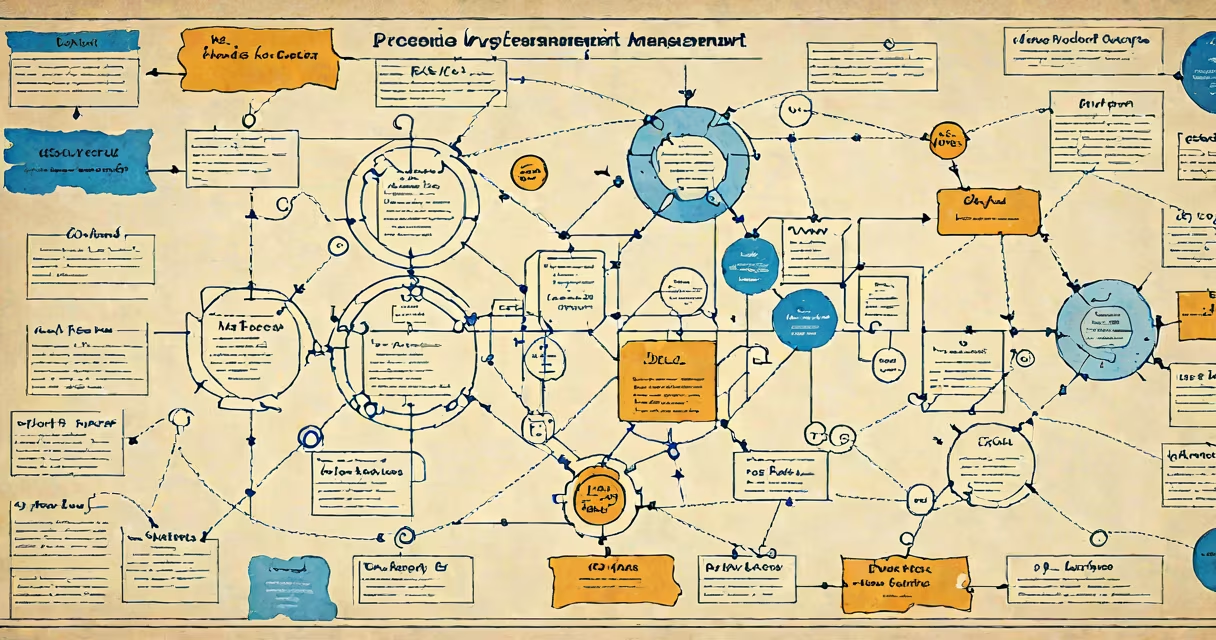
Scoping in project management is the process of defining the work required to deliver a project's objectives, including what is included and what is excluded. It establishes clear boundaries, ensures alignment between stakeholders, and prevents uncontrolled changes that lead to delays and budget overruns.
Project scope sets the foundation for planning, execution, and evaluation. Without it, teams lack direction, clients may expect features not agreed upon, and projects often fail to meet deadlines or stay within budget. The Project Management Institute (PMI) identifies scope as one of the triple constraints-alongside time and cost-that determines project success.
A well-defined scope includes deliverables, milestones, acceptance criteria, and constraints such as regulatory requirements or resource limits. It serves as a contract between the project team and stakeholders, reducing ambiguity and setting expectations early.
Scoping begins during the project initiation phase. Project managers gather input from stakeholders through interviews, surveys, and workshops. This input is synthesized into a formal scope statement that outlines the project's purpose, goals, and expected outcomes.
The process involves identifying key deliverables and breaking them into smaller components using a Work Breakdown Structure (WBS). For example, building a mobile app requires defining modules like user authentication, payment processing, and push notifications. Each module becomes a manageable task with assigned resources and timelines.
Once the WBS is complete, the team validates scope with stakeholders through sign-offs. Changes to scope must go through a formal change control process. Any new request-like adding biometric login-requires impact analysis on time, cost, and quality before approval.
A complete scope document contains five core elements:
These elements ensure everyone agrees on what success looks like. A missing exclusion clause led to a $200,000 overrun in a 2019 healthcare software rollout, according to a PMI case study.
Projects fall into four broad scope categories based on complexity and predictability:
| Type | Description | Example |
|---|---|---|
| Fixed Scope | Requirements are known upfront. Changes require formal approval. | Developing a company intranet with predefined pages and access levels. |
| Iterative Scope | Scope evolves through cycles. Final product emerges over multiple sprints. | Building a prototype for a smart home device with feedback-driven updates. |
| Adaptive Scope | High uncertainty. Scope adjusts frequently based on real-time data. | Launching a viral social media campaign with changing content based on engagement metrics. |
| Hybrid Scope | Combines fixed and adaptive elements. Common in large infrastructure projects. | Constructing a hospital wing with fixed design specs but flexible staffing models. |
Mistakes happen when scope is vague or assumed. A common error is failing to define exclusions. One web development project added live video streaming after launch because the original scope didn't specify it wasn't included. The client paid an extra $18,000 to cover bandwidth and hosting costs.
Another mistake is treating scope as a one-time activity. Scope must be revisited throughout the project lifecycle. As requirements evolve, so must the scope. Regular reviews prevent drift and maintain alignment.
According to a 2023 PMI report, 47% of failed projects stem from poor scope management. Projects with defined scopes finish on time 68% more often than those without.
I once managed a retail inventory system upgrade where initial scope included barcode scanning and stock alerts. Midway through, the operations team requested real-time supplier integration. We paused development, ran a change impact assessment, and discovered it would delay delivery by four weeks and increase costs by 30%. We rejected the change until Phase 2. The project shipped on schedule and under budget.
Scoping is not about limiting creativity-it's about focusing effort. It stops teams from solving problems that don't exist and ensures resources go toward high-value tasks.
People often confuse scope with deliverables, timeline, or budget. Scope is the *work* needed to produce the deliverables. Budget and timeline are outputs of scope, not inputs.
Another misconception is that scope equals requirements. Requirements describe *what* the system must do. Scope describes *how much* work is involved in meeting those requirements. For example, a requirement might state "users must reset passwords via email." The scope includes designing the email template, coding the backend logic, testing across devices, and documenting the process.
Some assume scope is set only at the start. But scope evolves. The Agile methodology embraces iterative scope refinement. In each sprint, scope is adjusted based on feedback. However, even in Agile, scope must be reviewed regularly to avoid feature bloat.
Use tools like Microsoft Project, Jira, or ClickUp to visualize scope. These platforms support WBS creation, dependency mapping, and change tracking. They also integrate with version control systems for documentation.
Apply the SMART structure to scope statements: Specific, Measurable, Achievable, Relevant, Time-bound. Instead of saying "improve website performance," say "reduce homepage load time from 4.2 seconds to under 1.5 seconds by June 30."
Hold a scope validation workshop with all stakeholders before finalizing the scope document. Document decisions and rationale. Store the approved scope in a shared repository accessible to all team members.
Scoping in project management is not optional. It is the baseline for accountability, predictability, and successful delivery. When done right, it turns complex ambitions into actionable plans.