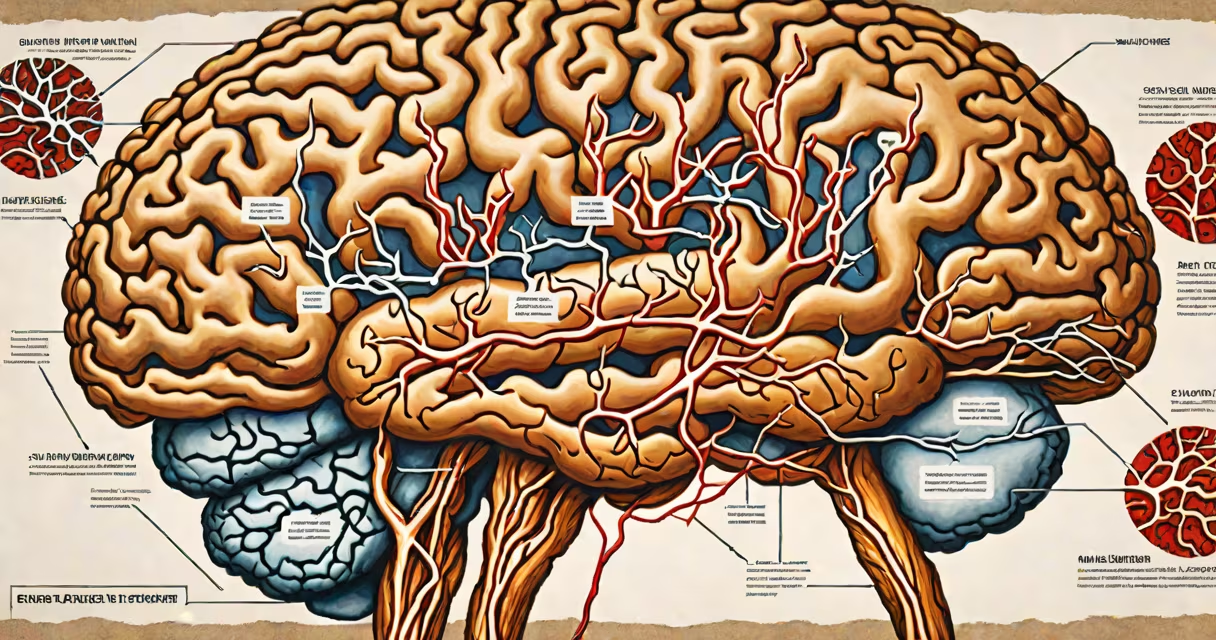
Stroke disease refers to a group of conditions where blood flow to part of the brain is suddenly interrupted or reduced, depriving brain tissue of oxygen and nutrients. Within minutes, brain cells begin to die. This condition is also known as a brain attack and is a leading cause of serious long-term disability and death worldwide.
Stroke disease occurs when a blood vessel supplying the brain becomes blocked (ischemic stroke) or bursts (hemorrhagic stroke). The most common type-accounting for about 87% of cases-is ischemic stroke, caused by a clot obstructing blood flow. Hemorrhagic strokes make up the remaining 13%, resulting from bleeding inside or around the brain due to ruptured vessels.
The American Heart Association and American Stroke Association define stroke as a "sudden onset of focal neurological deficits" lasting more than 24 hours or resolving within 24 hours with imaging evidence of acute brain infarction. This clinical definition ensures consistency in diagnosis and treatment protocols across healthcare systems.
Brain function relies on a continuous supply of oxygen-rich blood. When a blood vessel in the brain narrows or closes, brain cells in that area stop receiving glucose and oxygen. Without these, neurons cease functioning within seconds and begin dying within minutes. The area affected determines the symptoms-such as paralysis, speech loss, or vision changes.
Ischemic strokes typically result from atherosclerosis (plaque buildup in arteries), cardiac emboli (clots from the heart), or small vessel disease. Hemorrhagic strokes occur due to uncontrolled hypertension, aneurysms, or arteriovenous malformations (AVMs). In both cases, the speed of intervention is critical-the sooner treatment begins, the better the chance of recovery.
A 2021 study published in The Lancet Neurology found that patients who received intravenous thrombolysis (tPA) within 4.5 hours of symptom onset had improved outcomes compared to those treated later. This highlights the time-critical nature of stroke care.
There are two primary categories of stroke disease based on mechanism:
| Type | Percentage of Cases | Primary Cause | Common Risk Factors |
|---|---|---|---|
| Ischemic Stroke | ~87% | Blood clot blocking a cerebral artery | Hypertension, diabetes, high cholesterol, atrial fibrillation, smoking |
| Hemorrhagic Stroke | ~13% | Rupture of a brain blood vessel | Uncontrolled high blood pressure, aneurysms, AVMs, anticoagulant use |
Subtypes include large vessel occlusion, small vessel disease (lacunar strokes), and cardioembolic strokes. For example, a patient with atrial fibrillation may develop a clot in the left atrium that travels to the middle cerebral artery, causing an ischemic stroke in the motor cortex-leading to sudden weakness on one side of the body.
One often-overlooked distinction: transient ischemic attacks (TIAs), sometimes called "mini-strokes," involve temporary blockage lasting less than an hour. Though symptoms resolve, TIAs are warning signs of impending major stroke. The National Institute of Neurological Disorders and Stroke (NINDS) states that up to 1 in 3 people who have a TIA will suffer a full stroke within a year if untreated.
Stroke disease affects approximately 795,000 people annually in the United States, according to the Centers for Disease Control and Prevention (CDC). Rates are higher among Black, Hispanic, and Native American populations due to disparities in access to care and prevalence of risk factors like hypertension and obesity.
Geographic variation exists too. Countries with aging populations and rising rates of metabolic syndrome-such as Japan, South Korea, and parts of Eastern Europe-report increasing stroke incidence. In contrast, nations with aggressive public health campaigns targeting smoking, salt intake, and physical inactivity show declining rates.
Despite advances in treatment, stroke remains a leading cause of adult disability. About two-thirds of survivors experience some level of impairment, including difficulty walking, speaking, or performing daily tasks. Early rehabilitation reduces long-term dependency.
Many people confuse stroke with seizures or migraines. While all can cause sudden neurological symptoms, stroke involves irreversible brain damage if not treated quickly. Seizures typically last seconds to minutes and do not cause lasting tissue death. Migraines may mimic stroke symptoms but lack objective brain imaging findings.
Another misconception is that stroke only affects older adults. In reality, about 10% of strokes occur in people under 65. Younger individuals are increasingly affected by lifestyle-related risks such as excessive alcohol consumption, illicit drug use (especially cocaine), and undiagnosed heart conditions.
A key correction: stroke is not a single disease but a spectrum of disorders with different causes and treatments. For example, treating an ischemic stroke with tPA is contraindicated in hemorrhagic stroke-it can worsen bleeding. Misdiagnosis can lead to fatal complications.
In 2019, a 58-year-old man with a history of hypertension and smoking presented to the ER with sudden right-sided weakness and slurred speech. A CT scan showed a large vessel occlusion in the left middle cerebral artery. He was diagnosed with an ischemic stroke and received intra-arterial thrombectomy within 6 hours of symptom onset. After six weeks of intensive rehab, he regained independent walking and speech clarity.
This case illustrates the importance of rapid recognition and treatment. The FAST acronym-Face drooping, Arm weakness, Speech difficulty, Time to call emergency services-has been shown to improve response times. In this patient's case, his wife recognized the signs and called 911 within 15 minutes of symptom onset.
One non-obvious fact: up to 30% of stroke patients report no clear trigger. Some experience a silent stroke-detectable only via MRI-without noticeable symptoms. These subclinical events increase the risk of future major strokes and cognitive decline.