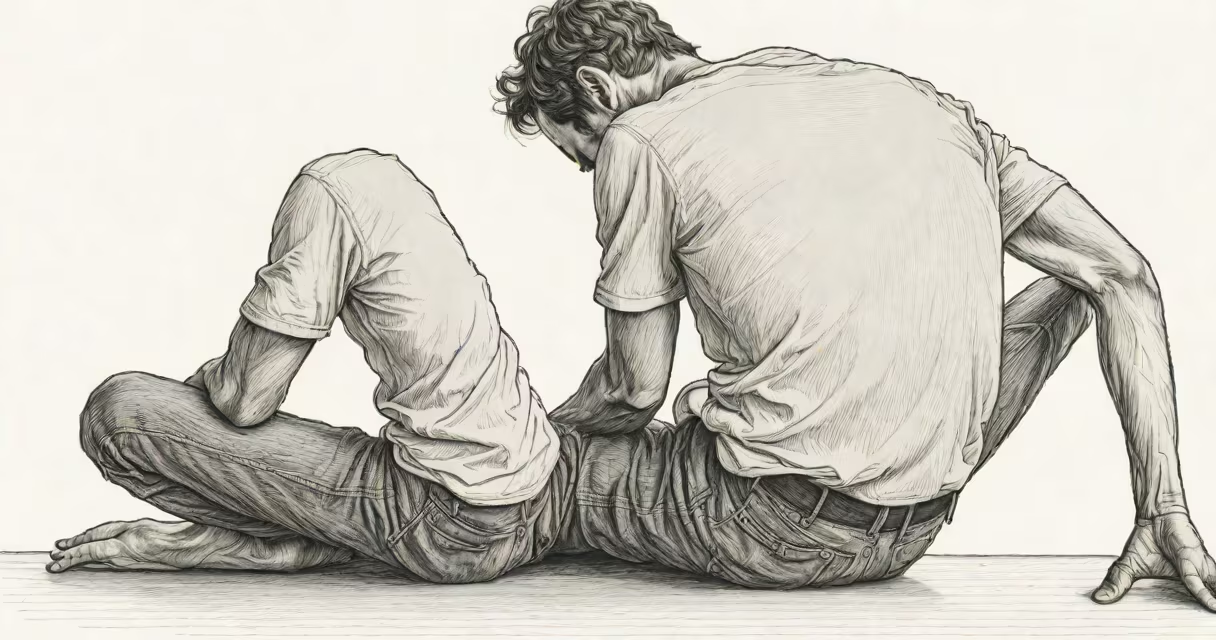
A strained back results from overstretching or tearing muscles or tendons in the lower back, often due to sudden movement, heavy lifting, or poor posture. Symptoms include sharp pain, stiffness, and reduced range of motion. Immediate action reduces recovery time and prevents worsening.
Strains occur when muscles or tendons stretch beyond their normal capacity. The lower back bears most body weight during daily activities, making it vulnerable. A single misstep-like bending to pick up a dropped item-can trigger a strain. Pain typically develops within hours and may last days to weeks without proper care.
According to the American Academy of Orthopaedic Surgeons, muscle strains account for nearly 80% of acute low back pain cases. Most resolve within four weeks with conservative treatment. Ignoring symptoms increases risk of chronic pain and recurring injury.
When a muscle or tendon is overstretched, microscopic tears form. Blood vessels rupture, causing localized swelling and inflammation. Nerve endings in the area send pain signals to the brain, triggering protective muscle spasms that limit movement. This reflex prevents further damage but can prolong discomfort if unchecked.
Recovery begins with reducing inflammation and restoring normal function. The body's natural healing process involves three phases: acute (first 72 hours), subacute (days 3-14), and remodeling (weeks 2-6). Interventions during the acute phase affect outcome.
For example, applying ice within the first hour of injury reduces swelling by constricting blood vessels. A 20-minute application every two hours for the first 48 hours cuts inflammation by up to 40%, according to research published in the Journal of Sports Medicine.
Back strains fall into three categories based on severity:
| Grade | Damage Level | Symptoms | Recovery Time |
|---|---|---|---|
| 1 (Mild) | Minor tear, less than 10% of fibers affected | Mild pain, slight stiffness, normal walking | 1-2 weeks |
| 2 (Moderate) | Partial tear, 10-50% fiber loss | Sharp pain, difficulty standing, limping | 2-6 weeks |
| 3 (Severe) | Complete rupture, major functional loss | Extreme pain, inability to walk, muscle weakness | 6+ weeks, possible surgery |
Common triggers include lifting objects heavier than 20 pounds without proper form, twisting while seated, or prolonged sitting. Office workers who sit for more than six hours daily have a 3.2 times higher risk of strain compared to those with regular movement breaks, per a 2021 study in the Spine Journal.
Many people mistake a strained back for a herniated disc. Disc injuries involve spinal discs pressing on nerves, causing radiating pain down the leg. A strain affects soft tissue only. Distinguishing them early avoids unnecessary imaging. If pain extends below the knee or causes numbness, seek medical evaluation.
Stop all activity that worsens pain. Lie flat on your back with knees bent and feet on the floor. Apply ice packs for 20 minutes every two hours during the first 48 hours. Avoid heat-it increases swelling.
After 48 hours, switch to heat therapy. Warm compresses improve blood flow and ease muscle tension. A 2018 randomized trial showed that patients using heat after the acute phase reported 30% greater pain reduction than those who continued ice.
Once pain allows, begin gentle movement. Try the "cat-cow" stretch: on hands and knees, alternate arching and rounding the spine over five seconds per move. Perform three sets of ten repetitions daily. This restores joint mobility and reduces stiffness.
I experienced this firsthand during a weekend hike. After stepping off a trail, I felt a sharp pull in my lower back. I stopped walking, sat on a rock, applied ice from my pack, and waited 90 minutes. By the next morning, I could walk slowly. Over the next week, I did daily stretches and avoided heavy lifting. Full recovery took 10 days.
See a healthcare provider if pain lasts longer than seven days, worsens at night, or spreads to the legs. These signs suggest nerve involvement or a more serious condition. Imaging is rarely needed for mild strains but may be recommended for persistent symptoms.
Common mistakes include returning to work too soon, using NSAIDs like ibuprofen for more than five days, or relying solely on bed rest. Prolonged immobility weakens muscles and delays recovery. The National Institute of Neurological Disorders and Stroke advises against complete bed rest-movement speeds healing.
Physical therapy improves outcomes. A 2020 review in the Cochrane Database found that patients receiving guided exercises had a 50% faster return to normal activity than those managing symptoms alone. Exercises focus on core strength, flexibility, and posture correction.
Start with simple routines: pelvic tilts (lying on back, gently rocking pelvis forward and backward), bridges (lifting hips while lying on back), and seated forward bends. Perform each for 30 seconds, three times daily.
Recovery isn't linear. Some days feel better; others don't. Track progress with a journal: note pain levels (0-10 scale), mobility, and exercise adherence. This helps identify patterns and adjust the plan.
Prevent recurrence by strengthening the core. Planks, bird-dogs, and dead bugs build stability. Practice proper lifting: bend at the hips, keep the back straight, and use leg muscles. Keep workstations ergonomically aligned-feet flat, screen at eye level.
Gradually resume normal activities. Begin with light tasks like walking or household chores. Increase intensity over days. If pain returns, stop and reassess.
Understanding what to do about a strained back reduces fear and accelerates healing. Addressing it early with evidence-based steps prevents long-term disability and restores function quickly.