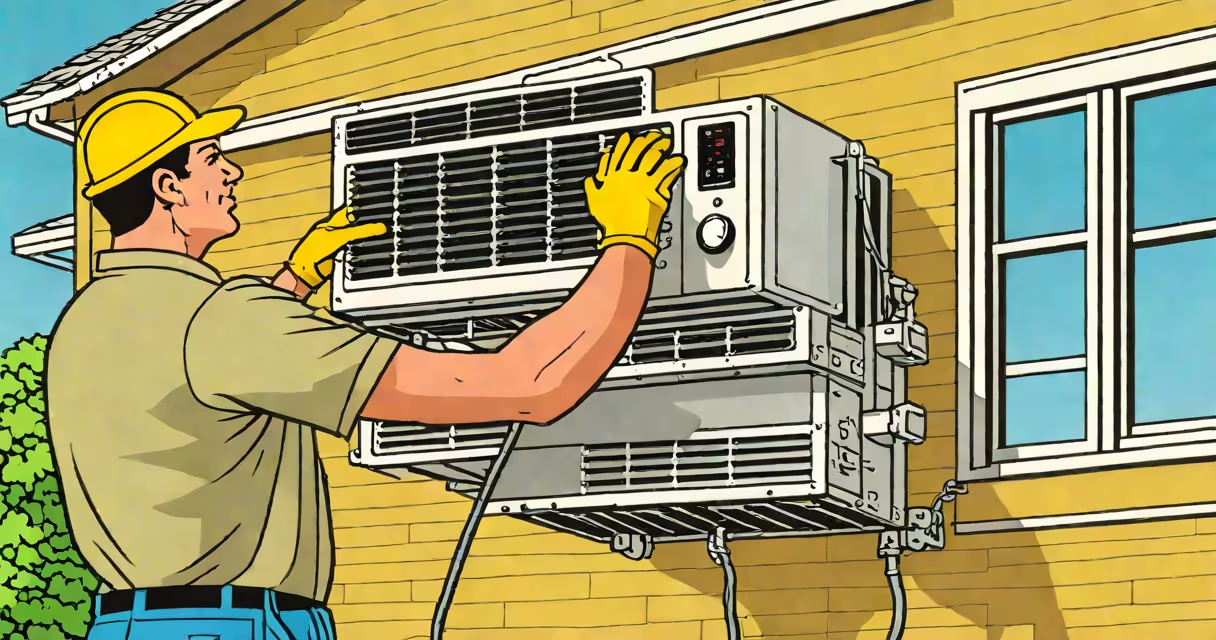
When a central or window air conditioning unit reaches the end of its service life, proper disposal prevents environmental harm and may recover usable materials. The most responsible actions include recycling, donating functional units, or selling working parts. The Environmental Protection Agency (EPA) requires that refrigerants be recovered before disposal due to their ozone-depleting potential.
Old AC units contain refrigerants like R-22 or R-410A, which are potent greenhouse gases. Improper release contributes to climate change. The EPA's SNAP program mandates certified technicians handle refrigerant recovery. A single pound of R-22 has a global warming potential 1,800 times greater than carbon dioxide.
Homeowners often assume disposal is as simple as hauling the unit to a landfill. This is incorrect. Landfilling an AC unit violates federal regulations under the Clean Air Act. The EPA estimates that over 1 million old AC units are improperly discarded annually in the U.S., releasing harmful chemicals into the atmosphere.
Disposal begins with refrigerant extraction. Only EPA-certified technicians can perform this step using a recovery machine. Once the refrigerant is removed, the unit can be safely dismantled. Copper coils, aluminum fins, and steel casings are sorted for recycling.
Recycling rates for scrap metals from AC units exceed 90%. Aluminum components are melted down and reused in new manufacturing. Copper wiring is processed into ingots for industrial applications. Plastic housings are shredded and converted into pellets for injection molding.
A 2022 study by the Institute of Scrap Recycling Industries (ISRI) found that recycling one ton of HVAC equipment recovers approximately 1,300 pounds of copper, 600 pounds of aluminum, and 1,100 pounds of steel. These materials have significant market value and reduce demand for virgin mining.
Before discarding, assess whether the unit still functions. A working window AC unit from 2010 may still cool effectively. If it operates within 10% of its original capacity, consider donating it to a nonprofit or low-income household.
Several organizations accept used cooling equipment. Habitat for Humanity ReStores often take functional AC units. Local shelters and community centers may also welcome donations. Always confirm the organization accepts appliances and provide proof of removal of refrigerant.
| Option | Best For | Requirements | Environmental Impact |
|---|---|---|---|
| Recycling | Non-functional units, damaged compressors | Refrigerant removed by certified technician | Low - high material recovery rate |
| Donation | Units in working condition, less than 10 years old | Functional, clean, refrigerant extracted | Medium - extends product lifespan |
| Resale | Parts, working compressors, motors | Clear photos, accurate description, refrigerant removed | High - supports circular economy |
| Landfill | None - prohibited by law | Not permitted under federal rules | Very high - releases toxic substances |
Some homeowners attempt to sell entire units online. This is risky. Without verified refrigerant removal, buyers face legal liability. Platforms like Craigslist and Facebook Marketplace often flag listings involving refrigerants. A better approach is to list individual parts: compressors, fans, capacitors, and control boards.
For example, a 2-ton AC unit with a 24,000 BTU capacity may have a replaceable compressor valued at $180-$250 on salvage sites. The condenser fan motor typically sells for $45-$65. These parts are reusable in repairs and reduce waste.
Many people believe that removing the refrigerant themselves is safe. This is false. DIY recovery attempts can cause leaks, injuries, or fines. The EPA enforces penalties up to $37,500 per violation for unauthorized handling of refrigerants.
Another misconception is that all AC units can be recycled at any junkyard. Not true. Only facilities with EPA-approved certification can process refrigerants. Look for "EPA Section 608 Certified" signs at scrap yards. A 2021 audit by the National Association of Waste Management found that 43% of unlicensed scrapyards failed to comply with refrigerant handling standards.
Some assume that older AC models are too inefficient to donate. However, a 2015 window unit with a SEER rating of 10 still provides cooling. Energy efficiency doesn't determine usability. A unit that cools a 150-square-foot room is useful in a small apartment or garage.
I once helped a neighbor remove a 10-year-old central AC unit during a basement renovation. The system had a leak in the refrigerant line. I contacted a local HVAC contractor with EPA certification. They arrived with a recovery machine, extracted the R-410A, and documented the process. The unit was then taken to a recycling center where the copper and aluminum were separated.
The steps to responsibly manage an old AC unit are clear:
Don't wait until summer to act. Refrigerant recovery is more efficient when performed in cooler months. Scheduling early avoids last-minute delays and ensures compliance.
Properly managing an old AC unit protects the environment, supports resource recovery, and complies with federal law. Knowing what to do with an old AC unit isn't optional-it's required.