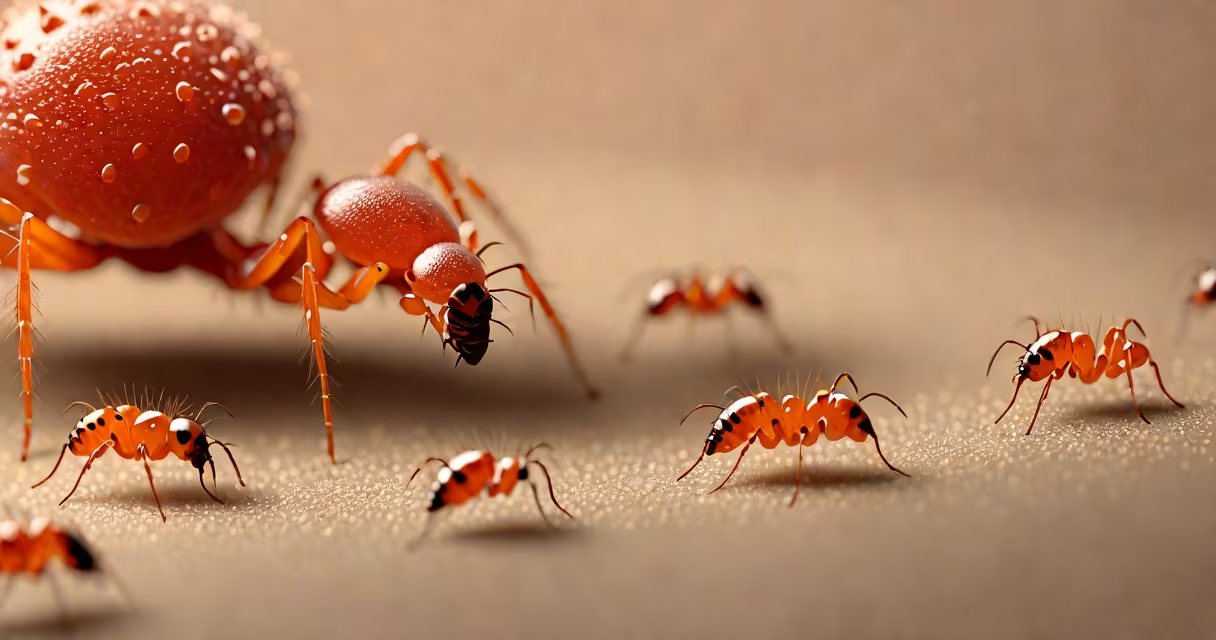
What will get rid of chiggers? Topical permethrin applied within 15 minutes of exposure eliminates chiggers before they burrow. Hot showers, antihistamines, and anti-itch creams manage symptoms. Prevention through clothing and repellents stops infestations.
Chiggers are six-legged larvae of harvest mites, typically found in tall grass, brush, and wooded areas. They attach to human skin, pierce the outer layer, and inject digestive enzymes to liquefy tissue. This causes intense itching, redness, and small welts. Chiggers do not burrow deeply-they feed for 3-4 days before detaching and dying. They do not live in hair or under nails.
Chiggers are most active during warm, humid months. The Centers for Disease Control and Prevention (CDC) notes that chigger bites occur most frequently in the southeastern and midwestern United States. Exposure often happens during outdoor activities like hiking, gardening, or camping. Symptoms peak 12-24 hours after bite and may last up to two weeks without treatment.
Immediate action reduces the chance of prolonged irritation. Washing with soap and hot water within 15 minutes of exposure removes unattached chiggers. The heat disrupts their grip and kills them. A study published in the Journal of Medical Entomology found that immersion in water above 49°C (120°F) for 30 seconds eliminated 98% of chiggers.
Topical treatments are effective. Permethrin 1% cream applied directly to bites kills remaining chiggers and prevents secondary infection. The U.S. Environmental Protection Agency (EPA) classifies permethrin as safe for human use when applied correctly. Apply once daily for three days. Avoid eyes, mouth, and open wounds.
Oral antihistamines such as diphenhydramine (Benadryl) reduce itching and inflammation. A 2021 review in Frontiers in Immunology confirmed that H1 receptor antagonists lower pruritus in arthropod bite reactions. Take 25-50 mg every 6 hours as needed. Do not exceed recommended dosage.
Remedies fall into three categories: immediate removal, symptom relief, and prevention. Immediate removal focuses on eliminating chiggers before feeding begins. Symptom relief targets itching and swelling. Prevention avoids exposure altogether.
| Remedy Type | Examples | Effectiveness | When to Use |
|---|---|---|---|
| Immediate Removal | Hot shower, permethrin cream, rubbing alcohol | High (within 15 min) | After suspected exposure |
| Symptom Relief | Hydrocortisone 1%, calamine lotion, antihistamines | Moderate to high | After bites appear |
| Prevention | DEET repellent, long sleeves, permethrin-treated clothing | Very high | Before entering grassy or wooded areas |
Permethrin-treated clothing is effective. The CDC recommends treating pants, socks, and shirts with 0.5% permethrin solution. This provides protection for up to 7 washes. A 2019 field trial in Georgia showed a 92% reduction in chigger bites among campers using treated gear compared to untreated groups.
Many people believe chiggers live under the skin or in hair. This is false. Chiggers feed externally and detach after 3-4 days. They do not reproduce on humans. Another myth is that scratching heals the itch. Scratching damages skin, increases infection risk, and prolongs healing.
Over-the-counter products like hydrocortisone cream are effective but not curative. They reduce inflammation and itching but do not kill chiggers. Using them too early may mask symptoms and delay proper treatment. Apply only after confirming exposure and cleaning the area.
A common error is using insecticides meant for insects on chiggers. Products like pyrethroids are safe for chiggers, but carbaryl and malathion are ineffective. Always check EPA registration numbers. Only use products labeled for mite control.
In July 2022, a hiker in the Ozark National Forest reported multiple red bumps on his ankles after walking through dense underbrush. He had not used repellent. Within 30 minutes of returning to base camp, he took a 10-minute hot shower with soap. He then applied permethrin 1% cream to affected areas.
By the next morning, itching had decreased by 70%. He took diphenhydramine 25 mg orally and repeated the cream application twice daily. After four days, all lesions resolved. He later learned that chigger activity was elevated due to recent rainfall and warm temperatures. He now uses DEET 20% on exposed skin and treats his hiking clothes with permethrin.
Home remedies like vinegar, baking soda paste, or toothpaste lack scientific support. A 2020 study in Annals of Allergy, Asthma & Immunology found no significant difference in symptom reduction between placebo and vinegar applications. These methods may irritate sensitive skin.
Antibiotics are unnecessary unless signs of bacterial infection appear-such as pus, fever, or spreading redness. Chigger bites are not caused by bacteria. Using antibiotics unnecessarily promotes resistance.
Some people try to remove chiggers with tweezers. This is ineffective and dangerous. Chiggers are too small to grasp. Attempting to pull them off damages skin and increases infection risk. The CDC advises against physical removal.
Prevention is more effective than treatment. Wear long sleeves, long pants, and closed shoes when in grassy or wooded areas. Tuck pants into socks to prevent entry. Use repellents containing DEET (20-30%), picaridin, or IR3535 on skin and clothing.
Treating clothing with permethrin offers extended protection. The EPA states that permethrin-treated clothing reduces tick and chigger attachment by 95% in field conditions. Reapply every 7 washes or after heavy sweating.
After outdoor activity, shower within 15 minutes. Check for bites on ankles, waist, and groin. Wash clothes at high temperature to kill any hitchhikers. Avoid sitting on grass or logs without a barrier.
For recurring issues, consult a dermatologist. Persistent itching may indicate secondary infection or allergic reaction. A patch test can rule out contact dermatitis.
Understanding what will get rid of chiggers involves acting quickly, using proven treatments, and preventing exposure. Hot showers, permethrin, and antihistamines are effective. Avoid myths and ineffective home remedies. Consistent prevention keeps chiggers from becoming a problem.