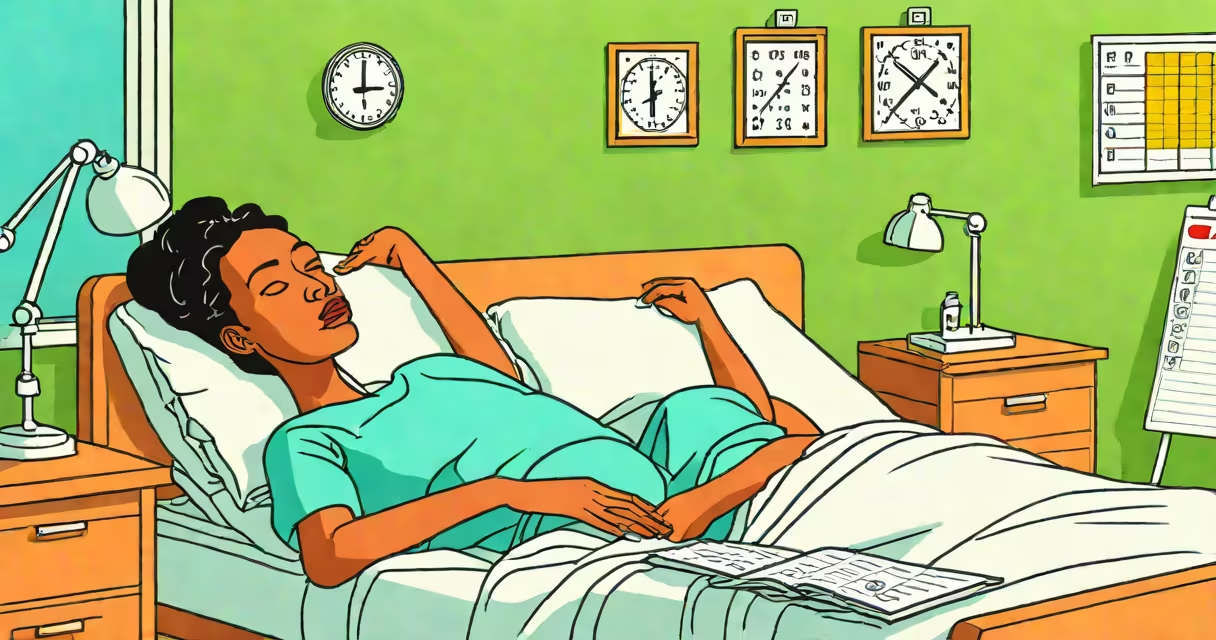
A urinary tract infection (UTI) can cause fatigue due to the body's immune response, inflammation, and disrupted sleep, even when fever or pain aren't present. The infection triggers cytokine release, which alters energy metabolism and contributes to exhaustion.
UTIs occur when bacteria-most commonly Escherichia coli-enter the urinary system, typically through the urethra. The bladder is the most frequent site of infection, but the kidneys can also be affected in more severe cases. When the immune system detects bacterial invasion, it activates inflammatory pathways that release signaling molecules called cytokines. These chemicals help fight infection but also influence brain function, leading to fatigue, reduced concentration, and low motivation.
Research from the National Center for Biotechnology Information (NCBI) confirms that systemic inflammation during infections correlates with increased fatigue. A 2018 study published in *Frontiers in Immunology* found that elevated levels of interleukin-6 (IL-6) and tumor necrosis factor-alpha (TNF-α)-common in UTIs-directly affect the hypothalamus, disrupting sleep-wake cycles and reducing alertness.
While fatigue is common in many conditions, UTI-related tiredness often appears suddenly and worsens over hours or days. It may occur without classic symptoms like burning urination or frequent urges. This makes it easy to misattribute to stress, lack of sleep, or general illness.
| Condition | Primary Cause of Fatigue | Key Distinguishing Symptoms |
|---|---|---|
| UTI | Inflammatory cytokines (IL-6, TNF-α) | Burning urination, urgency, cloudy urine, low-grade fever |
| Dehydration | Reduced blood volume and electrolyte imbalance | Dry mouth, sunken eyes, rapid heartbeat, dark urine |
| Peptic Ulcer | Chronic blood loss → iron deficiency anemia | Abdominal pain, bloating, black stools, pallor |
In a case documented by the American Urological Association, a 34-year-old woman reported extreme fatigue for three days prior to visiting a clinic. She had no fever, no visible blood in urine, and denied pain. Her urinalysis showed 15 leukocytes per high-power field and positive nitrites-indicating bacterial presence. After starting ciprofloxacin, her energy returned within 48 hours. This illustrates that fatigue can be the primary symptom of a UTI, especially in women who may not recognize subtle signs.
Another non-obvious point: fatigue from UTIs often improves faster than other symptoms. Pain and urgency may linger for days after antibiotics begin, but mental clarity and physical stamina frequently return within 24-48 hours. This recovery pattern helps distinguish UTI fatigue from chronic fatigue syndrome or long-term viral fatigue, which do not resolve so rapidly with treatment.
Do not assume fatigue is due to a UTI without testing. Up to 30% of people with symptomatic UTIs report fatigue as their only symptom, according to a 2020 review in Urology Today. Delaying treatment increases the risk of kidney involvement, which can lead to permanent damage.
If fatigue persists beyond 48 hours after starting antibiotics, or if you develop flank pain, chills, or vomiting, seek immediate care. These signs suggest pyelonephritis-a kidney infection requiring stronger antibiotics and sometimes hospitalization.
Self-diagnosis based on fatigue alone is unreliable. A dipstick test or urine culture is required to confirm a UTI. Over-the-counter tests are available but have false-negative rates of up to 15% in early-stage infections.
Drinking 1.5 to 2 liters of water daily reduces UTI recurrence by 50%, per a 2019 randomized trial in The Journal of Urology. Cranberry extract (36 mg of proanthocyanidins daily) also shows modest benefit in preventing recurrent UTIs, though it does not treat active infections.
During recovery, rest and hydration support immune function. Avoid caffeine and alcohol, which irritate the bladder and delay healing. Resume normal activity only when energy levels return to baseline-not when symptoms disappear.
As someone who managed a recurrent UTI while working remotely, I noticed my focus declined sharply two days before any physical symptoms appeared. I attributed it to burnout until a home test confirmed a UTI. Antibiotics reversed the fatigue within 36 hours. That experience underscored how early fatigue can be a red flag.
Understanding that a UTI can make you feel tired-even without typical symptoms-is critical. Recognizing this link allows earlier diagnosis and prevents complications. If fatigue persists despite rest, consult a healthcare provider to rule out infection.
Yes, a UTI can make you feel tired. The fatigue stems from immune activation and systemic inflammation, not simply being "under the weather." Identifying it early ensures faster recovery and avoids progression to serious kidney infections.