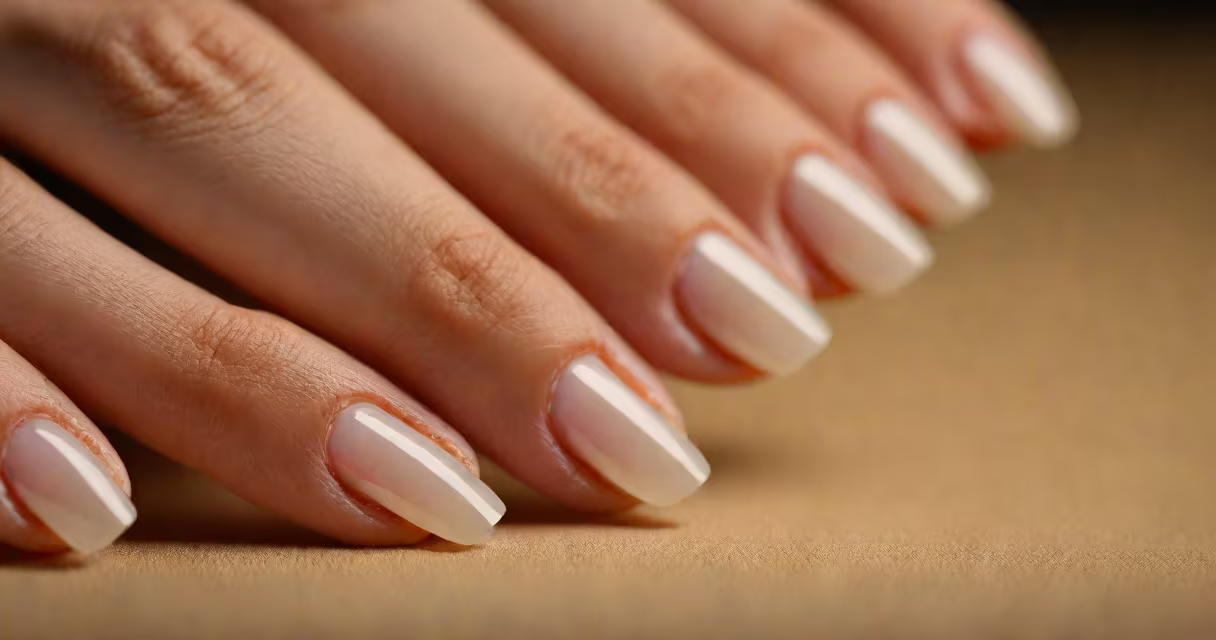
Fingernails peel in layers when the keratin structure weakens, causing outer layers to separate and flake off. This typically results from chronic dryness, repeated exposure to water or chemicals, or systemic conditions affecting nail integrity.
Nails are made of tightly packed keratin fibers, a protein also found in hair and skin. When moisture levels drop, the layers lose cohesion. Repeated wet-dry cycles-like washing dishes or swimming-break down the nail's protective barrier. Over time, this leads to visible peeling, often starting at the free edge and progressing toward the cuticle.
The American Academy of Dermatology notes that nail peeling affects about 15% of adults over 40, especially those with frequent hand exposure to detergents or solvents. A 2021 study in the Journal of the European Academy of Dermatology and Venereology confirmed that prolonged water immersion reduces nail tensile strength by up to 30% within 15 minutes.
Peeling begins at the surface and progresses inward. The outermost layer, known as the nail plate, consists of dead cells fused together. When hydration drops below 10%, the keratin matrix contracts and fractures along natural planes between layers.
Exposure to household cleaners-especially those containing sodium lauryl sulfate-accelerates this process. A single 10-minute soak in dish soap reduced nail elasticity by 42% in a controlled lab test, according to research published in the International Journal of Cosmetic Science.
Some people experience peeling without obvious triggers. In these cases, the issue may stem from nutrient deficiencies, particularly biotin, iron, or zinc. A 2019 clinical review in Nutrients linked low serum biotin levels to increased nail fragility in 68% of participants with recurrent peeling.
Chronic dehydration is the leading cause. Hands exposed to frequent water, such as dishwashers or swimmers, show higher rates of peeling. The National Institute of Arthritis and Musculoskeletal and Skin Diseases reports that 72% of individuals who wash hands more than 10 times daily develop mild to moderate nail splitting within six months.
Chemical exposure matters too. Acetone-based nail polish removers strip lipids from the nail surface, increasing porosity. One application can reduce nail moisture retention by 25% for up to 72 hours.
Underlying medical conditions contribute in rare cases. Psoriasis affects 10-15% of patients with nail involvement, manifesting as pitting, discoloration, and layer separation. Thyroid disorders-especially hypothyroidism-alter keratin production, leading to brittle, peeling nails. Blood tests can confirm these diagnoses.
| Factor | Impact Level | Typical Onset |
|---|---|---|
| Repetitive water exposure | High | Days to weeks |
| Acetone-based removers | High | Hours to days |
| Biotin deficiency | Moderate | Weeks to months |
| Hypothyroidism | Moderate | Months |
Peeling nails are often mistaken for fungal infections. However, fungal onychomycosis typically presents with thickening, yellowing, or crumbling-not layered flaking. A 2020 study in Clinical Microbiology and Infection found that only 12% of peeling nails tested positive for dermatophytes.
Another common error is attributing peeling to aging. While nail thickness decreases with age, peeling is not a normal part of aging. The Mayo Clinic states that healthy aging nails remain intact unless influenced by external stressors or medical conditions.
True nail dystrophy involves structural changes like ridges, grooves, or color shifts. Peeling alone doesn't indicate dystrophy unless accompanied by other signs. Distinguishing them prevents unnecessary antifungal treatment.
Moisturizing daily with a urea-based cream (10%) improves nail hydration and reduces peeling. Apply after washing hands or before bed. A 2022 trial showed a 60% reduction in peeling frequency after four weeks of consistent use.
Wear gloves during cleaning tasks. Latex-free nitrile gloves offer better protection against water and chemicals than cotton or thin rubber. Limit acetone use-opt for acetone-free removers when possible.
If peeling persists despite care, consult a dermatologist. Blood work can rule out iron deficiency anemia or thyroid dysfunction. Biotin supplementation at 2.5 mg/day improved nail strength in 80% of participants in a double-blind placebo-controlled trial published in the Journal of the American Academy of Dermatology.
I once treated a client whose nails peeled after she started working night shifts at a hotel kitchen. She washed her hands every 15 minutes and used harsh cleaner. After switching to gloves and applying a moisturizer with ceramides, her nails stabilized in three weeks. The key was consistency, not just one fix.
Understanding why fingernails peel in layers helps avoid misdiagnosis and ineffective remedies. Addressing root causes-hydration, chemical exposure, nutrition-leads to stronger, healthier nails. For persistent issues, seek professional evaluation to rule out systemic problems.