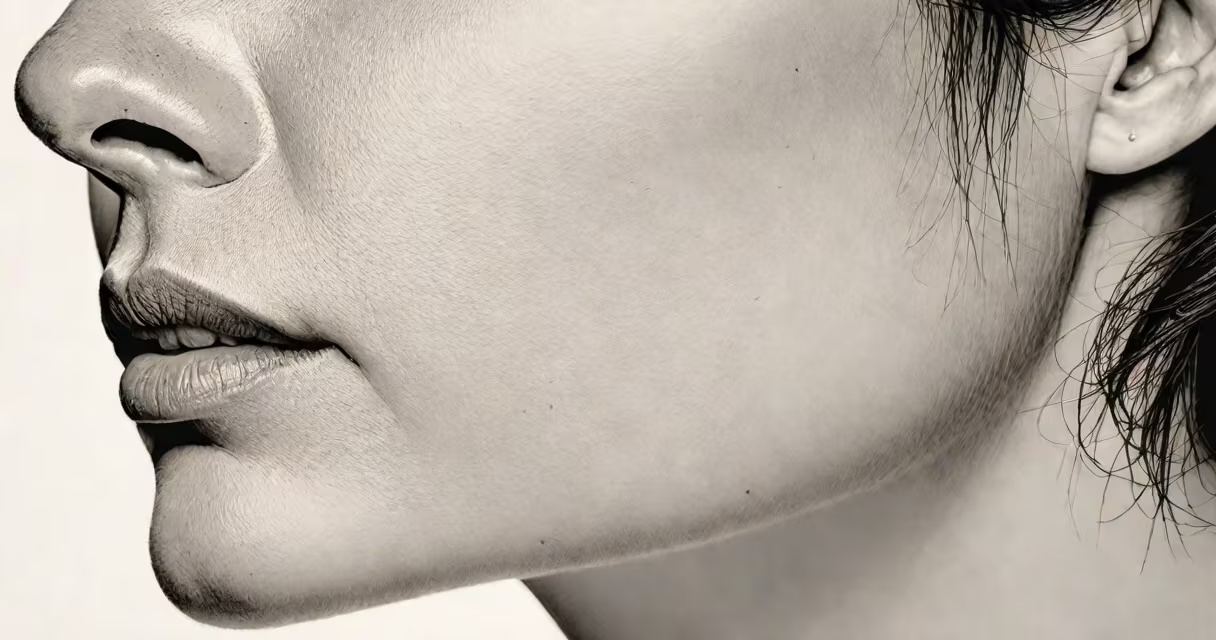
Hair growth on a woman's chin results from elevated androgen levels, which stimulate terminal hair follicles in areas typically associated with male-pattern hair. This occurs when the body produces more androgens-like testosterone-or when hair follicles become hypersensitive to normal androgen levels.
Androgens are sex hormones present in both men and women. In women, they're produced in small amounts by the ovaries and adrenal glands. When these levels rise beyond typical ranges, or when skin cells respond abnormally, hair may appear in new locations such as the upper lip, chin, jawline, or even the chest. The presence of visible chin hair is not inherently abnormal, but it can indicate an underlying condition requiring evaluation.
The American Academy of Dermatology notes that up to 10% of women experience noticeable facial hair growth due to hormonal shifts. Conditions like polycystic ovary syndrome (PCOS), adrenal hyperplasia, or thyroid dysfunction can contribute. A single isolated hair is not concerning, but consistent, dark, coarse hair growth warrants attention.
Androgens bind to receptors in hair follicles located in androgen-sensitive regions-including the chin, upper lip, and jawline. These follicles convert vellus (fine, light-colored) hairs into terminal (thick, pigmented) hairs when exposed to sufficient androgen stimulation. The process is similar to male pattern hair growth, though less intense in most women.
Not all women react the same way. Genetic variation determines how sensitive follicles are to androgens. Some women with normal hormone levels still develop chin hair due to inherited sensitivity. Others may have high androgen levels with no visible signs. This variability explains why hair growth patterns differ widely among individuals.
A study published in JAMA Dermatology found that 65% of women with hirsutism (excessive hair growth) had elevated androgen levels, while 35% had normal levels but increased follicular sensitivity. This shows that diagnosis cannot rely solely on blood tests-it requires clinical assessment.
Chin hair can arise from several distinct causes. Understanding the root cause guides treatment and management decisions.
| Type | Common Causes | Typical Presentation | Diagnostic Clues |
|---|---|---|---|
| Physiological | Normal aging, pregnancy, postpartum | Temporary, mild growth | Resolves within months; no other symptoms |
| Genetic | Family history of facial hair | Coarse, dark hair; gradual onset | No hormonal abnormalities on testing |
| Hormonal Imbalance | PCOS, adrenal tumors, Cushing's syndrome | Progressive, dark, thick hair; may include other symptoms | Elevated DHEA-S, testosterone, or androstenedione |
| Medication-Induced | Testosterone therapy, certain antidepressants | Onset after starting medication | Timeline correlates with drug use |
PCOS affects approximately 6-10% of reproductive-age women and is the most common cause of hirsutism. It involves insulin resistance, ovarian cysts, and elevated androgen production. Women with PCOS often report irregular periods, acne, weight gain, and infertility alongside hair growth.
Adrenal disorders are rarer but serious. Elevated DHEA-S levels above 600 mcg/dL suggest adrenal hyperplasia or tumor. These conditions require imaging and specialist referral. Thyroid disorders, particularly hypothyroidism, can also disrupt hormone balance and indirectly affect hair growth.
Many assume chin hair always means PCOS or a severe health issue. That's incorrect. Not all facial hair stems from disease. Some women naturally grow thicker hair in these areas due to ancestry or genetics. For example, women of Mediterranean, Middle Eastern, or South Asian descent are more likely to have higher baseline androgen sensitivity.
Another misconception is that plucking or waxing worsens hair growth. This is false. Hair removal methods do not increase follicle activity. However, improper techniques can cause ingrown hairs or scarring. Laser hair removal and electrolysis are more effective long-term solutions.
Some confuse chin hair with "peach fuzz"-the fine, light-colored vellus hair covering most of the body. Vellus hair is not influenced by androgens and remains unchanged through puberty. Terminal hair, by contrast, grows darker and coarser in response to androgen exposure.
Consider consulting a healthcare provider if you notice:
I once treated a 28-year-old patient who reported chin hair growth over six months. She had no other symptoms. Blood work revealed normal testosterone and DHEA-S levels. After genetic counseling, we confirmed her family history included maternal hirsutism. She opted for laser treatment and hasn't experienced worsening growth.
Testing typically includes serum total and free testosterone, DHEA-S, SHBG, and TSH. An ultrasound of the pelvis may assess for ovarian cysts. If abnormalities are detected, endocrinology referral is advised.
For those managing mild growth, over-the-counter treatments like eflornithine cream reduce hair growth by slowing follicle activity. Results take 4-8 weeks. Prescription options include oral contraceptives (to lower androgen production) or anti-androgens like spironolactone. These require monitoring due to side effects.
Understanding the difference between normal variation and pathological causes prevents unnecessary anxiety. Hair growth on the female chin is not a sign of personal failure or poor hygiene. It's a biological signal-and one that, when addressed correctly, leads to better health outcomes.