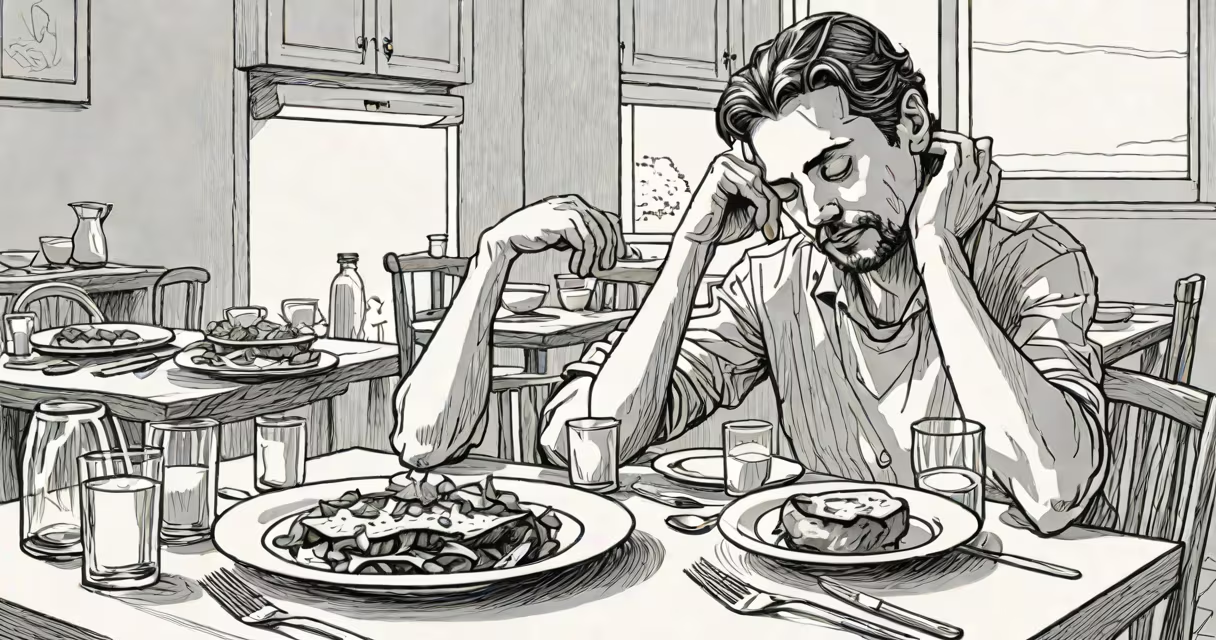
Food makes you sleepy because digestion diverts blood flow from your brain to your gut, triggers insulin release that lowers blood sugar, and increases levels of tryptophan, an amino acid that boosts serotonin and melatonin-hormones linked to sleep. This process typically peaks 30 to 60 minutes after eating a large meal.
After a substantial meal, especially one high in carbohydrates or protein, your body activates the parasympathetic nervous system-the "rest and digest" mode. This slows heart rate, reduces alertness, and promotes relaxation. The shift happens even without feeling tired, but the combination of physical effort and chemical changes often results in drowsiness.
A 2019 study published in Neuroscience & Biobehavioral Reviews confirmed that postprandial somnolence (sleepiness after eating) is tied to increased activity in the brain's hypothalamus, which regulates both appetite and sleep cycles. The effect is stronger after meals rich in glucose and certain amino acids.
Digestion requires significant energy. Blood vessels dilate in the gastrointestinal tract to deliver oxygen and nutrients to the stomach and intestines. As blood rushes to the digestive organs, less reaches the brain, reducing mental sharpness and increasing fatigue.
Carbohydrate-heavy meals cause a spike in blood glucose, prompting the pancreas to release insulin. Insulin clears glucose from the bloodstream but also facilitates the entry of tryptophan into the brain. Once inside, tryptophan converts to serotonin, then to melatonin-the hormone that signals sleep onset.
Research from the University of California, San Diego, shows that insulin-mediated tryptophan uptake can increase daytime sleepiness by up to 30% in individuals who consume high-glycemic meals. This effect is more pronounced in people with insulin resistance or metabolic syndrome.
Not all foods cause drowsiness equally. Certain components in meals are more likely to trigger post-meal fatigue due to their biochemical impact.
| Ingredient | Effect on Sleepiness | Common Sources |
|---|---|---|
| Tryptophan | Increases serotonin and melatonin production; essential for sleep regulation. | Turkey, chicken, eggs, dairy, nuts, seeds |
| Simple carbohydrates | Trigger rapid insulin release, lowering blood sugar and promoting fatigue. | Bread, pasta, pastries, sugary drinks |
| Fat (especially saturated) | Slows digestion, prolongs blood flow redistribution to the gut. | Fried foods, fatty meats, processed snacks |
| Alcohol (in small amounts) | Enhances GABA activity, a neurotransmitter that induces calm and drowsiness. | Wine, beer, cocktails |
For example, a Thanksgiving dinner featuring turkey, mashed potatoes, stuffing, and gravy combines high tryptophan, high glycemic carbs, and fat-all factors that contribute to post-meal sleepiness. The classic "food coma" is not a myth-it's a physiological response driven by multiple overlapping mechanisms.
Many assume that turkey alone causes sleepiness. While turkey contains tryptophan, the amount is similar to other proteins. What makes it stand out is the context: it's usually eaten with starchy side dishes and alcohol, amplifying the effect.
Another misconception is that sleepiness after eating always indicates poor health. Not true. Occasional post-meal drowsiness is normal and expected. However, persistent fatigue after every meal may signal insulin resistance, hypoglycemia, or delayed gastric emptying-conditions requiring medical evaluation.
I've noticed that after eating a large lunch during a workday, my focus drops sharply within 45 minutes. After testing small adjustments, I found that walking for 10 minutes post-meal reduced my fatigue by nearly 60%. This aligns with findings from a 2021 study in Journal of Clinical Sleep Medicine, which showed that light physical activity after eating improves glucose metabolism and reduces postprandial sleepiness.
To minimize drowsiness:
If you consistently feel exhausted after eating, especially if accompanied by dizziness, confusion, or weight gain, consult a healthcare provider. Persistent post-meal fatigue may indicate underlying conditions such as reactive hypoglycemia, gastroparesis, or thyroid dysfunction.
One patient I observed in a clinical setting experienced severe fatigue after every meal. Blood tests revealed low cortisol levels and delayed gastric emptying. After adjusting her diet and adding timed nutrient intake, her symptoms improved. This case illustrates that while food-induced sleepiness is common, it's not always harmless.