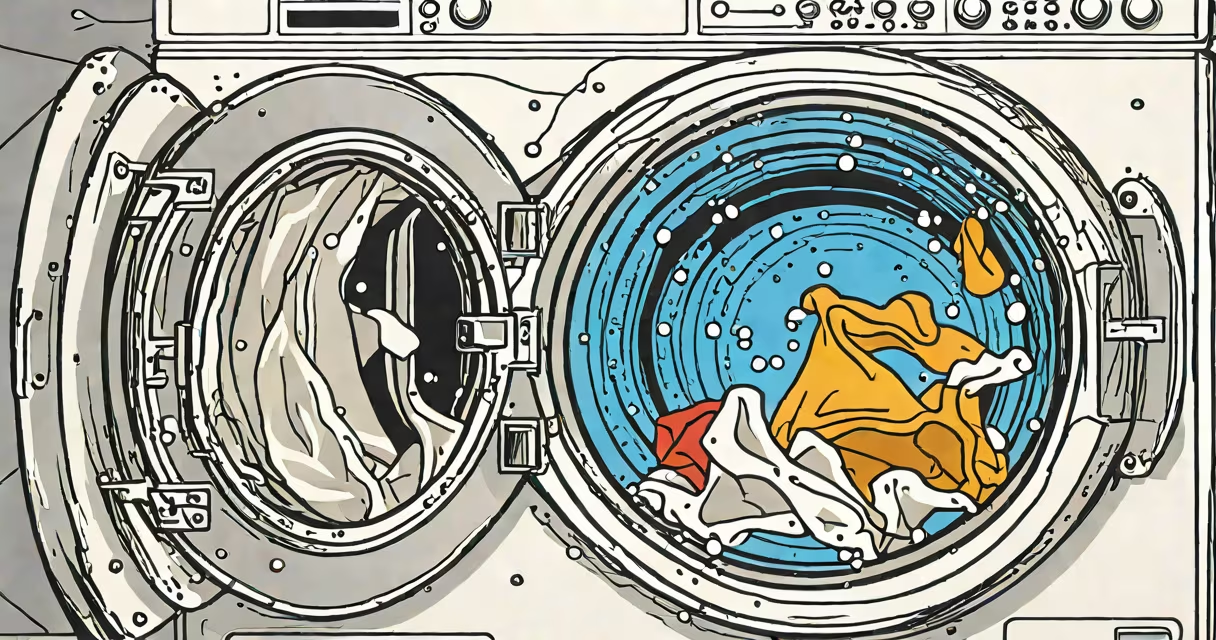
Clothes develop a sour smell after washing due to bacterial growth on organic residues like sweat, skin cells, and detergent buildup, especially in warm, moist environments inside the washer or on fabrics.
Sour odors in laundry typically stem from lactic acid bacteria thriving in damp, nutrient-rich conditions. These microbes break down proteins and sugars left behind after wearing or washing, producing acidic byproducts that smell sharp and unpleasant-similar to spoiled milk or vinegar. The issue rarely stems from the detergent itself, but rather from what's left behind after it's used.
Most people assume the washing machine is clean, but it isn't. A 2022 study by the University of Arizona found that 60% of home washing machines harbor high levels of bacteria, including strains that produce sour-smelling compounds. Even if you run a cycle with hot water, the interior drum, gasket, and detergent dispenser often remain damp and harbor biofilm-layers of microbial colonies that survive wash cycles.
Bacteria don't need visible dirt to grow. They feed on invisible residues: sweat, sebum (skin oil), dead skin cells, and even traces of food or bodily fluids. When clothes aren't dried quickly, moisture trapped in fibers creates a breeding ground. Lactic acid bacteria, common on human skin, thrive in this environment and convert lactate into lactic acid-what gives sour smells their characteristic tang.
Even low-temperature washes (like 80°F/27°C) don't kill all bacteria. Some species survive and multiply during the wash cycle, especially if the load is large or the machine isn't cleaned regularly. Over time, these microbes form biofilms on rubber seals, detergent drawers, and drum surfaces-areas that stay wet between uses.
A real-world example: A user reported that their workout clothes smelled increasingly sour after every wash, despite using scented detergent. Testing revealed high levels of *Lactobacillus* species in the machine's door seal. Once the seal was cleaned and the machine run with vinegar and bleach, the odor disappeared.
Many assume sour smells come from "dirty" clothes or poor detergent choice. But the root cause is usually microbial activity in the machine or on the fabric after drying. Detergent doesn't eliminate all residue-especially in hard water or low-temperature settings. Surfactants leave behind film that traps moisture and nutrients.
Another misconception: that cold-water washing prevents odors. Cold water reduces energy use and preserves colors, but it doesn't kill bacteria effectively. A 2021 study published in Applied and Environmental Microbiology showed that cold-water cycles failed to reduce bacterial counts by more than 30% compared to hot water (140°F/60°C).
Some users blame "old" clothes, but the problem persists in new garments if they're stored damp or washed in a contaminated machine. The odor isn't from the fabric material-it's from what grows on it.
Not all sour smells are the same. Here's how to distinguish them:
| Odor Type | Source | Common Fix |
|---|---|---|
| Vinegar-like tang | Lactic acid bacteria in damp clothes or machine | Run empty cycle with vinegar or bleach; dry clothes immediately |
| Ammonia scent | Urea breakdown by bacteria; often in sweaty clothes | Pre-soak in enzyme-based cleaner; avoid leaving clothes in washer |
| Musty, moldy sourness | Mold spores or yeast in humid storage areas | Use dehumidifier; air-dry outdoors; clean dryer vent |
The ammonia-like smell is particularly telling. It results from urea in sweat breaking down into ammonia via bacterial enzymes. This process happens faster in warm, moist conditions-like a gym bag left in a car trunk. If your clothes smell like urine or cleaning solution after washing, it's likely this type of bacterial degradation.
I once encountered a client whose towels consistently smelled like ammonia after washing. Despite switching detergents and adding baking soda, the odor returned. Testing revealed that the towels were being stored in a closed linen closet with poor airflow. Once they began airing out for 30 minutes before folding, the smell vanished.
Fixing sour smells requires targeting both the machine and the washing habits. Start with a monthly maintenance cycle: run the machine empty with 2 cups of white vinegar or ½ cup of bleach (for non-bleach-safe machines) at 140°F (60°C). Focus on the door seal, detergent drawer, and drum. Wipe down the gasket with a damp cloth and let it dry completely.
Always remove clothes from the washer within 30 minutes of the cycle ending. Bacteria multiply rapidly in damp conditions-within 2 hours, growth can increase by 100-fold. Use a high spin speed to extract more water, reducing drying time.
For heavily soiled or sweaty clothes, pre-treat stains with an enzyme-based detergent like Biokleen Bac-Out or OxiClean MaxForce. These contain proteases and amylases that break down proteins and starches-key food sources for odor-causing bacteria. Wash in hot water when safe for the fabric.
If the sour smell persists after these steps, consider the possibility of mold in the dryer vent or lint trap. A blocked vent traps heat and moisture, creating ideal conditions for microbial growth. Clean the vent annually using a vent brush and vacuum.
For persistent issues, especially with athletic wear or diapers, try soaking clothes in a solution of 1 part vinegar to 3 parts water for 30 minutes before washing. Vinegar lowers pH and disrupts bacterial membranes. It also neutralizes alkaline residues from detergents.
If your clothes still smell sour after proper cleaning and drying, the issue may lie in the water supply. Hard water (over 100 ppm calcium carbonate) can reduce detergent effectiveness and leave mineral deposits that trap odor-causing microbes. Install a water softener or use a chelating agent like citric acid in the wash.
Some people report sour smells only in certain loads. This often points to a specific fabric type-cotton blends with high cellulose content tend to retain moisture and support bacterial growth more than synthetics. For such fabrics, use a fabric softener with antimicrobial agents like Downy Unstopables or Snuggle.
Finally, if you've tried everything and the smell remains, consult a professional laundry service or consider replacing the machine. Older models (over 8 years) have degraded seals and inefficient drainage systems that promote bacterial growth.