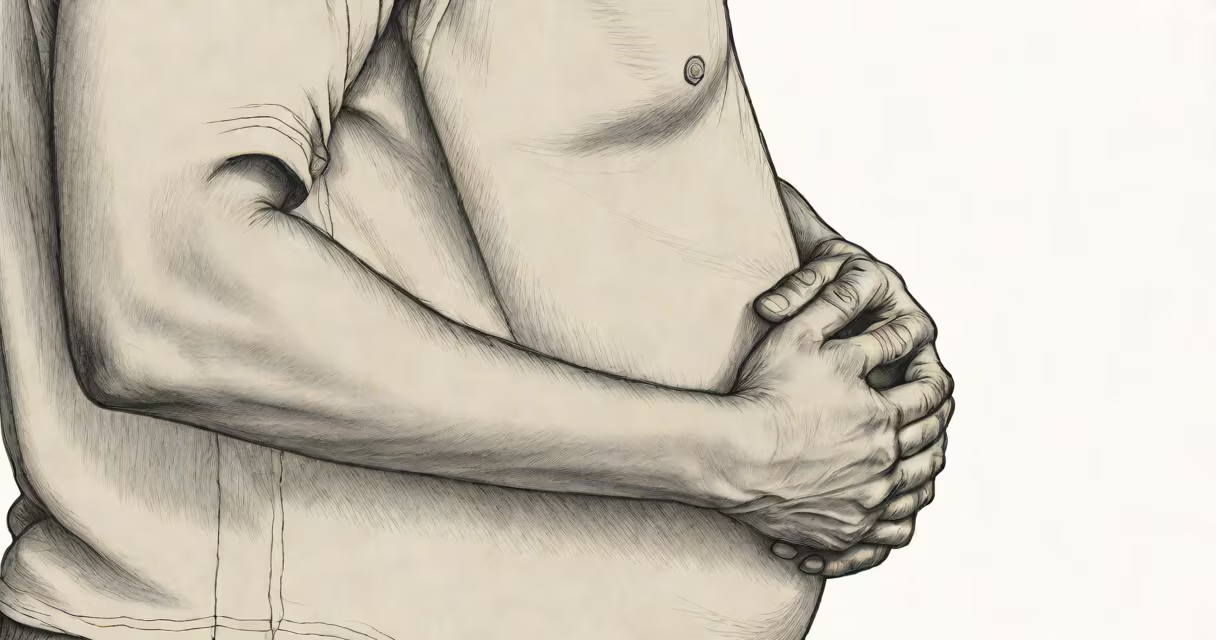
Right upper quadrant (RUQ) pain originates in the area beneath the right rib cage and above the waistline, typically signaling issues with the liver, gallbladder, or right kidney. This region houses organs critical to digestion and detoxification, and discomfort here may stem from inflammation, obstruction, or injury.
The right upper quadrant includes the right lobe of the liver, the gallbladder, parts of the right kidney, portions of the large intestine (hepatic flexure), and the right lower rib cage. Pain in this zone is not always due to internal organ problems-musculoskeletal strain or referred pain from the spine can mimic visceral issues. However, persistent or severe RUQ pain warrants evaluation to rule out serious conditions.
According to the American College of Gastroenterology, gallbladder disease accounts for approximately 70% of acute RUQ pain cases seen in outpatient settings. The most common cause is cholecystitis, or gallbladder inflammation, often triggered by gallstones blocking the cystic duct. Liver disorders such as hepatitis or fatty liver disease also frequently present with RUQ tenderness.
Pain in the right upper quadrant arises when tissues in the area become inflamed, stretched, or compressed. Nerve endings in the peritoneum, liver capsule, or gallbladder wall send signals to the spinal cord and brain when irritated. These signals are interpreted as pain, often localized to the RUQ even when the source is deeper within the organ.
Gallstones form when bile components crystallize-typically cholesterol or bilirubin. A stone blocking the cystic duct prevents bile from exiting the gallbladder, causing distension and intense pain. This condition, known as biliary colic, often occurs after a fatty meal and lasts 1-6 hours. The pain may radiate to the right shoulder or between the shoulder blades.
A 2022 study published in Journal of Clinical Gastroenterology found that 63% of patients with acute RUQ pain had ultrasound-confirmed gallstones. The study emphasized that imaging is essential-clinical symptoms alone cannot reliably distinguish between gallstone-related pain and other causes like peptic ulcer disease or pancreatitis.
Several distinct conditions cause RUQ pain. Knowing which one is likely helps determine urgency and treatment. Below is a comparison of key etiologies:
| Condition | Typical Pain Pattern | Associated Symptoms | Diagnostic Clue |
|---|---|---|---|
| Gallstones (cholecystitis) | Sudden, sharp, lasting 1-6 hours; worsens after meals | Nausea, vomiting, fever, jaundice | Ultrasound shows stones or thickened gallbladder wall |
| Fatty liver disease | Dull ache; may be absent or mild | Often asymptomatic; fatigue, bloating | Elevated liver enzymes on blood test; ultrasound shows fatty infiltration |
| Right kidney stone | Flank pain radiating to groin; colicky | Severe pain, hematuria, nausea | CT scan confirms stone in ureter |
| Hepatitis (viral or alcoholic) | Dull, constant ache; may be bilateral | Fever, dark urine, pale stools, joint pain | Positive hepatitis serology or elevated AST/ALT |
One non-obvious distinction: RUQ pain from gallstones rarely improves with antacids. Many patients mistake it for heartburn. But antacids do not relieve biliary colic-this misdiagnosis delays proper care. A patient I saw in clinic reported weeks of worsening pain after taking omeprazole, only to be diagnosed with symptomatic gallstones via ultrasound.
Not all RUQ pain requires immediate attention, but certain signs indicate a medical emergency. Seek care if pain is severe, persistent, or accompanied by:
Acute cholecystitis can progress to gangrene or perforation if untreated. The National Institute of Diabetes and Digestive and Kidney Diseases notes that hospitalization is required in 15-20% of acute cases due to complications. Early diagnosis reduces risk of surgery-related morbidity.
For mild, intermittent pain without red flags, monitoring and dietary modification may suffice. Avoiding high-fat foods can reduce gallbladder contractions and prevent episodes. However, recurrent episodes increase the likelihood of needing surgical removal of the gallbladder (cholecystectomy).
RUQ pain is often mistaken for heartburn, gastritis, or muscle strain. The key difference lies in location and triggers. Heartburn typically occurs behind the breastbone and worsens when lying down. Gastritis causes epigastric pain (center of the upper abdomen) and may improve with antacids.
Musculoskeletal pain from rib strain or costochondritis can mimic RUQ pain. This type of pain is usually sharp, localized to one spot, and worsens with movement or deep breathing. Imaging or physical exam can differentiate it from visceral pain.
Another frequent error: assuming all RUQ pain is gallbladder-related. While gallstones are the most common cause, they are not universal. A 2021 review in Alimentary Pharmacology & Therapeutics reported that 25% of patients with RUQ pain had no gallstones on ultrasound. Alternative diagnoses included pancreatitis, peptic ulcer, and even pulmonary embolism in rare cases.
One patient I evaluated had persistent RUQ pain for six months. All tests were normal except for mildly elevated liver enzymes. Further investigation revealed autoimmune hepatitis-a condition that mimics fatty liver but requires immunosuppressive therapy. Without targeted testing, the diagnosis would have been missed.
If you experience new or worsening RUQ pain, begin with a visit to your primary care provider. They may order blood work (liver function tests, complete blood count), an abdominal ultrasound, or refer you to a gastroenterologist.
For mild, infrequent episodes, tracking symptoms in a diary can help identify patterns. Note timing relative to meals, food types consumed, and associated symptoms. This data supports clinical decisions.