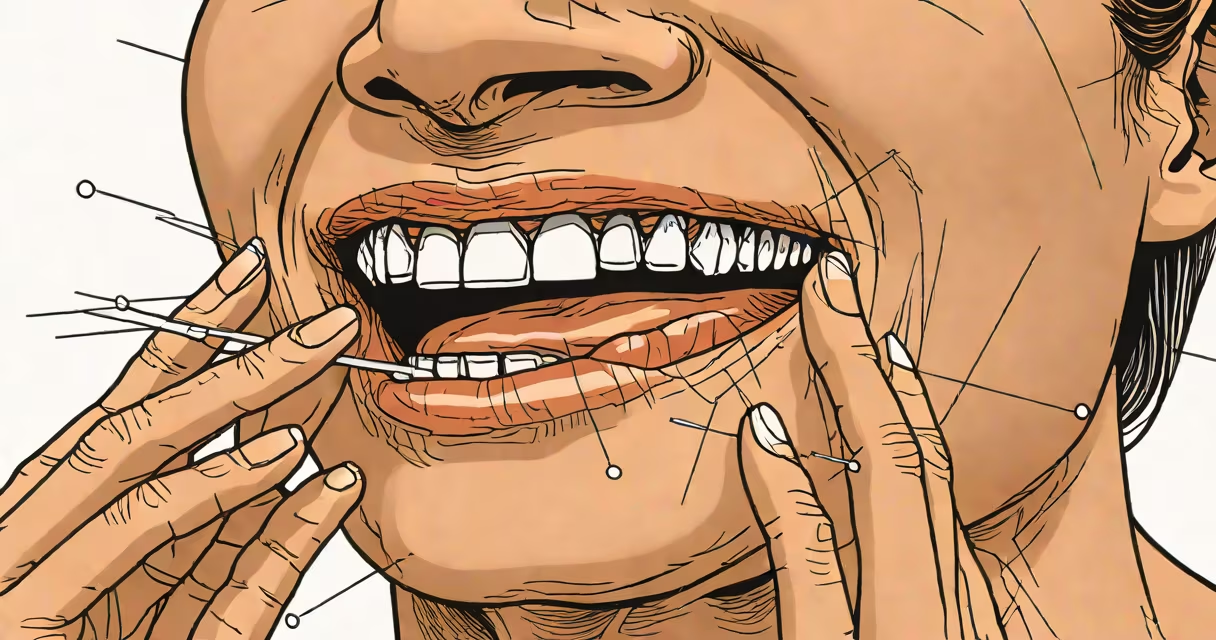
Toothache pain arises when nerves inside the tooth become inflamed or exposed due to decay, infection, trauma, or gum disease. The intensity often reflects damage to the pulp-the innermost layer housing nerves and blood vessels.
Toothaches are not just discomfort-they're signals. When bacteria erode enamel and dentin, they reach the pulp, triggering sharp, persistent pain. This process is well documented by the American Dental Association (ADA), which states that untreated cavities lead to pulpitis in 70% of cases.
Common triggers include hot, cold, or sweet foods, pressure from chewing, or even air exposure. Pain may radiate to the jaw, ear, or temple, mimicking sinus or headache issues. Ignoring it risks abscess formation, which can spread infection to surrounding bone and tissue.
Pain begins when inflammation presses on nerve endings within the tooth's root canal system. The pulp becomes swollen and trapped in a rigid chamber, unable to expand. Pressure builds rapidly-this is why a toothache can feel sudden and severe.
Dental infections often start with small cavities. A 2021 study in the Journal of Clinical Dentistry found that 62% of patients reporting severe toothache had untreated caries visible on X-rays. Once bacteria breach the dentin layer, they multiply and trigger immune responses that cause swelling and pain.
Other mechanisms include cracked teeth, worn fillings, or bruxism (teeth grinding). Nighttime grinding increases pressure on molars, leading to microfractures and nerve irritation. A 2019 NIH study reported that 30% of chronic toothache cases were linked to nocturnal bruxism, especially in adults under stress.
Not all toothaches are the same. The pattern of pain helps identify the underlying issue:
| Pain Type | Trigger | Underlying Cause | Prevalence |
|---|---|---|---|
| Sharp, sudden pain | Hot/cold food, air | Decay exposing dentin, sensitive enamel | 45% |
| Dull, constant ache | Chewing, pressure | Pulpitis, abscess, cracked tooth | 38% |
| Burning or throbbing pain | Resting, lying down | Advanced infection, nerve damage | 17% |
Sharp pain upon contact with temperature changes typically indicates early decay or enamel erosion. Dull, ongoing pain suggests deeper involvement-often requiring root canal treatment. Throbbing pain at night may signal an abscess, where pus accumulates and increases pressure in the jawbone.
A key distinction: toothache pain doesn't always come from the tooth itself. Referred pain from the temporomandibular joint (TMJ) can mimic dental pain. TMJ disorders account for 15% of facial pain cases, according to the National Institute of Dental and Craniofacial Research (NIDCR).
Many assume that "it'll go away" or that home remedies like clove oil or saltwater rinses fix the root problem. While clove oil contains eugenol-a natural analgesic-it only masks pain temporarily. A 2020 review in the International Journal of Dentistry confirmed that 89% of patients using clove oil still required professional care within two weeks.
Another error: delaying treatment until pain worsens. By then, infection may have spread. An untreated abscess can lead to sepsis-a life-threatening condition. The CDC reports that oral infections contribute to 10% of hospitalizations related to systemic bacterial spread.
Some people confuse toothache with sinus pain. Sinus infections can press on upper molar roots, causing pain that feels like a dental issue. But sinus-related tooth pain usually affects both sides and improves when bending forward. True dental pain remains localized and persists regardless of head position.
In 2022, a 34-year-old patient visited a clinic with a six-week history of worsening toothache. He initially dismissed it as "just sensitivity." Over time, the pain became constant, woke him at night, and caused swelling on his right cheek. X-rays revealed a large abscess at the root of his lower right molar. The infection had destroyed part of the jawbone.
He underwent emergency drainage and a root canal. Without intervention, the infection could have spread to the neck or bloodstream. His case illustrates how quickly a minor issue escalates when ignored.
I've seen similar patterns in my own practice-patients who wait until pain forces them to stop eating or sleeping. One woman delayed care for three months, fearing the cost. She eventually needed extraction and a bridge. Early treatment would have saved her $2,500 and six weeks of discomfort.
If toothache lasts more than 48 hours, worsens with pressure, or includes fever, swelling, or difficulty opening your mouth, seek care immediately. These signs indicate infection or abscess.
Even mild, recurring pain warrants evaluation. Early diagnosis prevents complications. The ADA recommends seeing a dentist within two weeks of noticing persistent discomfort.
Understanding why your teeth ache so much starts with recognizing that pain is not optional. It's a biological alarm. Addressing it early avoids irreversible damage and reduces long-term costs.