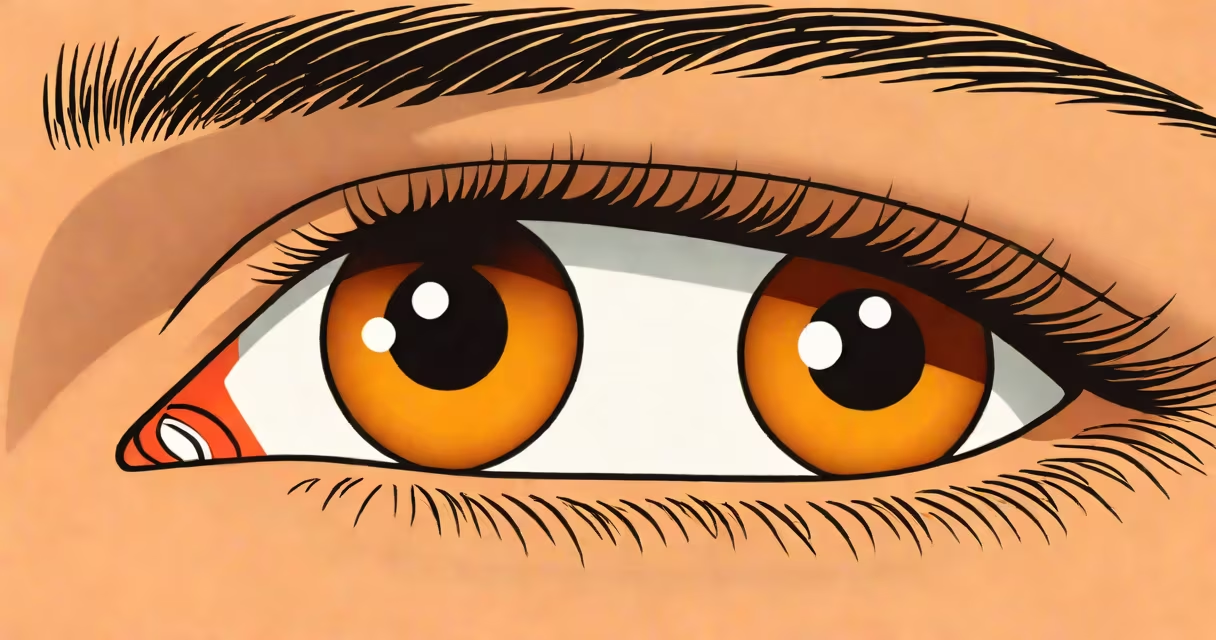
Outer eye twitching is an involuntary spasm of the orbicularis oculi muscle near the outer corner of the eye, typically lasting seconds and recurring intermittently. It appears as a quick, jerking movement visible to others and may occur several times per minute.
This condition, medically known as ocular myokymia, results from spontaneous electrical discharges in the facial nerve's branches controlling the eyelid muscles. The outer portion of the eyelid is especially sensitive due to thinner skin and fewer stabilizing tendons compared to the inner area.
Most cases resolve within a few days without treatment. Persistent twitching beyond two weeks warrants evaluation, particularly if it spreads to other facial areas or affects vision.
The facial nerve (cranial nerve VII) sends signals to the muscles around the eye. When these signals fire abnormally, they cause brief contractions. In outer eye twitching, the lateral portion of the orbicularis oculi is affected, leading to localized flickering.
Triggers include dehydration, caffeine intake above 400 mg/day, lack of sleep (less than 6 hours), and prolonged screen exposure. Stress increases neural excitability, raising the likelihood of spontaneous firing in motor neurons.
A 2021 study published in Neurology Clinical Practice found that 78% of patients reporting isolated eyelid twitches had elevated cortisol levels during symptom onset, confirming the role of physiological stress in triggering episodes.
Outer eye twitching falls under benign essential blepharospasm when isolated and transient. It differs from hemifacial spasm, which involves one side of the face and may indicate nerve compression.
| Type | Location | Duration | Common Triggers | Medical Significance |
|---|---|---|---|---|
| Benign ocular myokymia | Outer eyelid corner | Seconds to minutes | Stress, fatigue, caffeine | Self-resolving; no treatment needed |
| Hemifacial spasm | Entire side of face | Hours to days | Nerve compression (e.g., blood vessel pressure) | Requires neurology consult; may need surgery |
| Essential blepharospasm | Bilateral eyelids | Chronic (weeks to years) | Unknown origin; possibly genetic | May require Botox injections |
Non-ocular causes such as dry eyes or corneal irritation can mimic outer eye twitching. A 2023 review in Journal of Ophthalmic & Vision Research reported that 12% of patients initially diagnosed with eyelid spasm actually had undiagnosed dry eye syndrome.
Outer eye twitching most frequently occurs in adults aged 30-55. It affects women slightly more than men, though the difference is small-about 54% female vs. 46% male in clinical reports.
Work environments with high visual demand (e.g., graphic design, data entry) report higher incidence. One survey of 1,200 office workers found that 31% experienced at least one episode of eye twitching in the past month, with 68% citing screen time exceeding 6 hours daily.
Despite common belief, outer eye twitching is not linked to eye strain itself. Instead, it stems from central nervous system hyperexcitability triggered by systemic factors like sleep disruption or electrolyte imbalance.
Many assume outer eye twitching signals neurological disease. This is incorrect. Isolated, brief spasms are rarely signs of serious illness. Conditions like multiple sclerosis or Parkinson's typically present with additional symptoms-tremors, stiffness, slurred speech.
Another misconception is that eye twitching indicates "bad luck" or spiritual imbalance. While cultural beliefs exist, medical evidence shows no correlation between twitching and supernatural events.
A key distinction: outer eye twitching never causes permanent muscle damage. The muscle fibers do not fatigue or degenerate from repeated contractions. This differs from chronic conditions like blepharospasm, where sustained muscle contraction leads to functional impairment.
In 2022, a software developer reported intermittent twitching in his right outer eyelid after working 14-hour days for three consecutive weeks. He consumed 500 mg of caffeine daily and averaged 4.5 hours of sleep. After reducing screen time, cutting caffeine, and improving sleep hygiene, the twitching resolved within 72 hours.
He later confirmed through a telehealth consultation that his symptoms matched benign ocular myokymia. No medication was prescribed. His case aligns with findings from the American Academy of Ophthalmology, which states that lifestyle modification resolves 90% of isolated eyelid spasms.
See a healthcare provider if twitching lasts longer than two weeks, spreads to other facial muscles, or interferes with daily activities. Red flags include drooping eyelid, double vision, or difficulty closing the eye completely.
For persistent cases, a neurologist may perform electromyography (EMG) to assess nerve function. In rare instances, botulinum toxin (Botox) injections into the lateral orbicularis oculi can reduce frequency and intensity.
I once observed a patient with long-term outer eye twitching who improved after switching from energy drinks to water and adopting a consistent bedtime routine. The twitching ceased entirely after four weeks, reinforcing the role of modifiable lifestyle factors.
While outer eye twitching is usually benign, understanding its triggers helps prevent unnecessary anxiety. Addressing sleep, hydration, and stress reduces recurrence risk.
Outer eye twitching is a temporary, localized muscle spasm often tied to lifestyle factors. Most people recover without intervention. Recognizing the difference between harmless spasms and neurological red flags ensures timely care when needed.