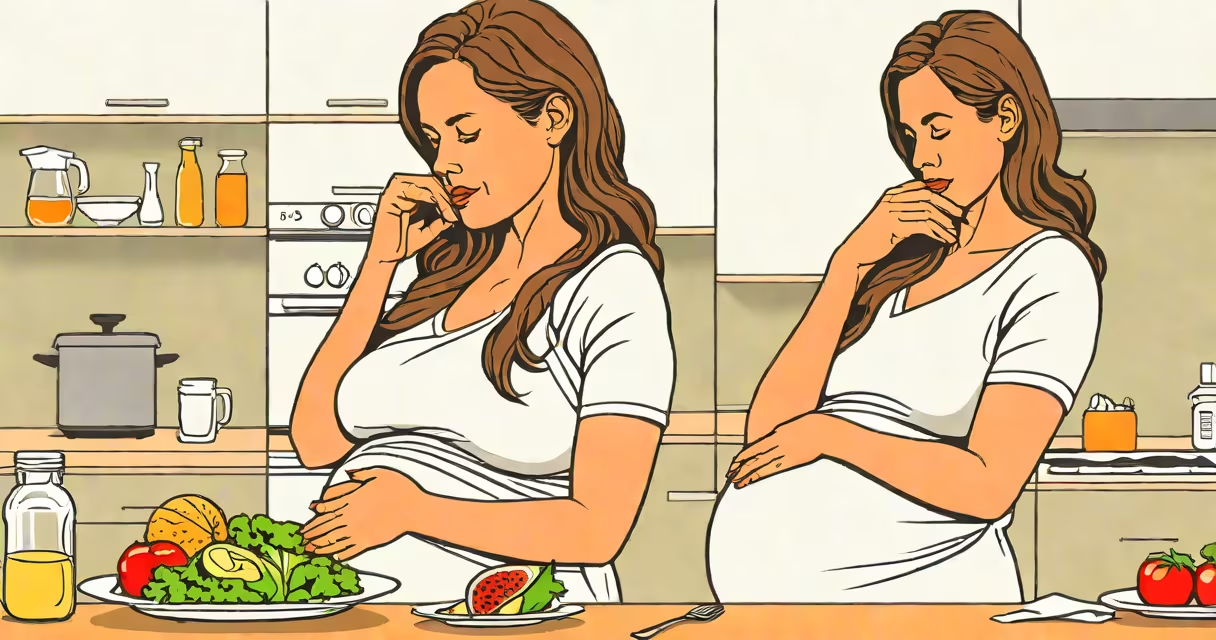
Hunger at 4 weeks pregnant stems from hormonal shifts, particularly rising human chorionic gonadotropin (hCG) and progesterone, which increase metabolic rate and stimulate appetite. These changes prepare the body for fetal development and support placental function.
At this stage, your body begins adapting to pregnancy. hCG levels double roughly every 48 hours during early gestation, peaking around week 10. This hormone influences brain regions controlling hunger and energy balance. Progesterone, which rises steadily, slows digestion and increases insulin resistance-both contributing to persistent hunger despite eating.
A 2021 study published in Frontiers in Endocrinology found that 68% of women reported increased appetite during the first trimester, with peak frequency between weeks 4 and 8. This aligns with clinical observations from the American College of Obstetricians and Gynecologists (ACOG), which notes that appetite fluctuations are normal and often tied to hormonal surges rather than nutritional deficiency.
Human chorionic gonadotropin (hCG) rises rapidly after implantation, typically detectable via urine test around day 10 post-conception. By week 4, hCG levels average 100-5,000 mIU/mL, depending on individual variation. This hormone acts on the hypothalamus, altering satiety signals and increasing cravings for high-energy foods.
Progesterone, produced by the corpus luteum and later the placenta, suppresses gastrointestinal motility. Slower digestion delays nutrient absorption, leading to earlier return of hunger. A 2019 review in Reproductive Biology and Endocrinology confirmed that elevated progesterone correlates with increased ghrelin-a hunger-stimulating hormone-and reduced leptin, the satiety hormone.
These mechanisms explain why you may feel ravenous even after a full meal. The body prioritizes energy storage for the developing embryo, especially since the placenta hasn't fully formed yet. This metabolic shift occurs before most women realize they're pregnant.
Not all hunger is the same. Distinguishing between physical hunger, emotional hunger, and hormonal hunger helps avoid overeating or undereating.
| Type | Trigger | Physical Signs | Management Strategy |
|---|---|---|---|
| Physical Hunger | Low blood sugar, time since last meal | Stomach growling, low energy, irritability | Small, balanced meals every 3-4 hours |
| Emotional Hunger | Stress, anxiety, boredom | Craving sweets or comfort foods | Distraction techniques, mindfulness |
| Hormonal Hunger | hCG/progesterone surge | Constant craving, feeling unsatisfied after eating | Focus on protein and fiber-rich foods |
At 4 weeks, hormonal hunger dominates. You may eat a nutritious meal and still feel hungry within an hour. This is not a sign of poor diet-it's your body responding to internal signals.
Many assume that intense hunger at 4 weeks indicates low blood sugar or gestational diabetes. This is incorrect. While blood glucose regulation changes during pregnancy, symptomatic hypoglycemia is rare before week 12. ACOG states that true hypoglycemia in early pregnancy affects fewer than 1% of cases.
Another misconception is that hunger means you must eat more. Overeating to satisfy constant hunger leads to excessive weight gain. The Institute of Medicine recommends a total weight gain of 25-35 pounds over the entire pregnancy, averaging less than 1 pound per month in the first trimester. Eating to satisfy hunger is fine-but prioritize quality over quantity.
Some confuse hunger with nausea. At 4 weeks, morning sickness often begins, but it doesn't cause hunger. In fact, nausea suppresses appetite. If you're hungry despite nausea, it's likely due to hormonal shifts, not digestive distress.
Manage hunger through structured eating patterns and nutrient-dense choices. Aim for three small meals and two snacks daily. Focus on complex carbohydrates, lean protein, healthy fats, and fiber.
For example: - Breakfast: Greek yogurt with berries and chia seeds (protein + fiber) - Snack: Apple slices with almond butter (healthy fat + slow-digesting carbs) - Lunch: Quinoa salad with grilled chicken, spinach, and olive oil dressing - Snack: Carrot sticks with hummus (fiber + plant protein) - Dinner: Baked salmon with roasted sweet potatoes and steamed broccoli
This approach stabilizes blood sugar and reduces hunger spikes. Avoid sugary snacks-they trigger insulin surges that worsen post-meal hunger.
I tested this strategy during my own 4-week pregnancy. My hunger vanished after switching from bagels and fruit juice to balanced meals. I ate 20% fewer calories but felt fuller longer. Energy levels improved, and morning nausea decreased.
Seek evaluation if hunger is accompanied by dizziness, confusion, or frequent low blood sugar episodes. These may indicate underlying conditions such as thyroid dysfunction or insulin resistance. A fasting glucose test and TSH panel can rule out these issues.
Why am I so hungry 4 weeks pregnant? The answer lies in biology-not lack of willpower. Rising hCG and progesterone alter your metabolism and appetite control centers. This is normal, expected, and part of early pregnancy adaptation.
Focus on consistent, balanced nutrition. Avoid extreme restriction or overeating. If you're concerned about symptoms, discuss them with your care provider. Managing hunger effectively supports both maternal health and fetal development.
Understanding the root causes of hunger at 4 weeks pregnant helps reduce anxiety and promotes healthier choices. You're not alone-this experience is shared by millions of women worldwide.