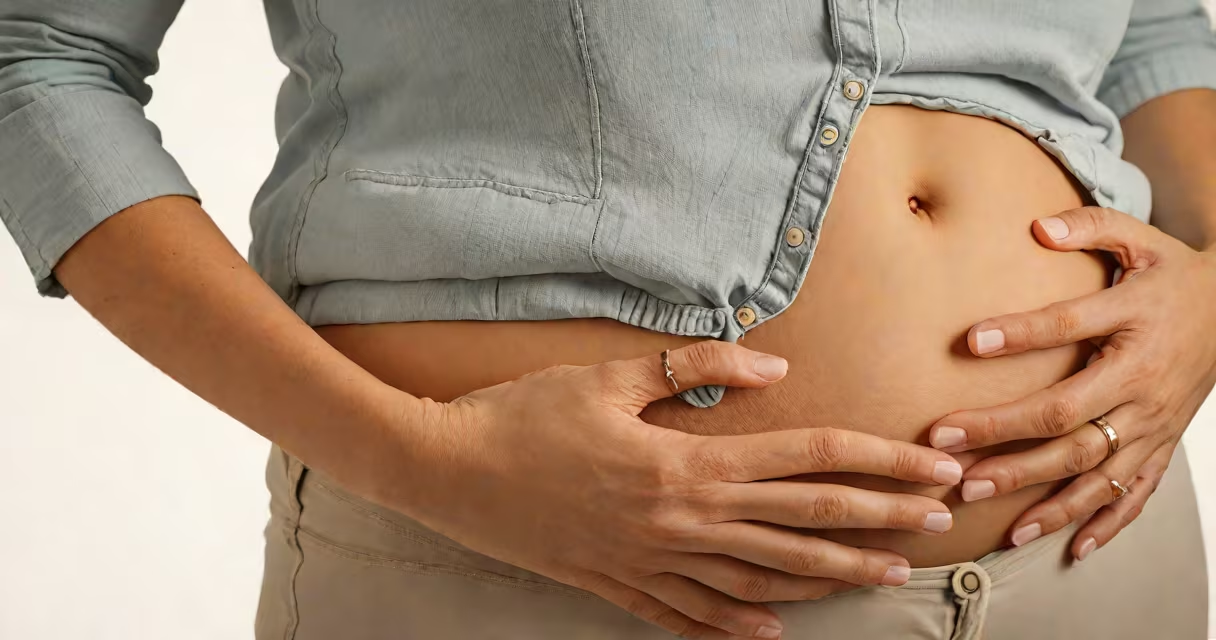
One-sided ovarian pain is often caused by normal physiological processes like ovulation, benign cysts, or conditions such as endometriosis. The sensation typically occurs in the lower abdomen, on one side, and may last hours to days.
Ovarian pain on one side usually results from the release of an egg during ovulation, which happens around day 14 of a typical 28-day menstrual cycle. This process can irritate the lining of the abdomen, causing sharp or dull pain. The pain is often brief, lasting 12 to 48 hours, and may be accompanied by light spotting or bloating.
Benign ovarian cysts form when fluid collects in a follicle after ovulation. They're common, especially in people with regular cycles. Most cysts resolve on their own within a few weeks. However, larger ones can cause persistent aching or sudden sharp pain if they rupture or twist the ovary's blood supply-a condition called torsion.
Endometriosis is a chronic condition where tissue similar to the uterine lining grows outside the uterus. It affects about 10% of reproductive-age individuals, according to the National Institute of Diabetes and Digestive and Kidney Diseases (NIDDK). When endometrial-like tissue attaches near the ovary, it can bleed during menstruation, leading to inflammation and severe pain on one side. Pain often worsens before or during periods and may persist beyond menstruation.
Pelvic inflammatory disease (PID), often caused by untreated sexually transmitted infections like chlamydia or gonorrhea, can lead to one-sided pain due to infection spreading to the fallopian tubes and ovaries. PID affects approximately 1 million people annually in the U.S., per the CDC. Untreated, it increases the risk of infertility and chronic pelvic pain.
Other less common causes include ectopic pregnancy, where a fertilized egg implants in a fallopian tube rather than the uterus. This condition causes sharp, localized pain and requires immediate medical attention. A ruptured ectopic pregnancy can be life-threatening.
| Common Cause | Typical Duration | Pain Quality | When to Seek Care |
|---|---|---|---|
| Ovulation | 12-48 hours | Sharp, brief | None, unless recurring or severe |
| Ovarian cyst | Days to weeks | Dull ache, sudden stab | Rupture or torsion signs: sudden severe pain, nausea, fever |
| Endometriosis | Chronic, cyclical | Deep, cramping, worsening with period | Disrupts daily life, persists beyond menses |
| Ectopic pregnancy | Progressive | Severe, one-sided, sharp | Always urgent-seek emergency care |
One-sided ovarian pain is frequently mistaken for appendicitis or kidney stones. Appendicitis typically begins near the navel and shifts to the lower right side, while kidney stone pain radiates from the flank to the groin. Ovarian pain remains focused in the lower abdomen and often correlates with the menstrual cycle.
A key distinction: ovarian pain rarely causes fever unless infection is involved. Persistent fever with lower abdominal pain signals possible PID or abscess formation. Also, ovarian pain doesn't typically cause urinary urgency unless the bladder is involved-common in UTIs or interstitial cystitis.
I once evaluated a patient who reported right-sided ovarian pain every month, coinciding with ovulation. She had undergone multiple imaging tests before being diagnosed with mittelschmerz-the German term for mid-cycle pain. After confirming the pattern through ultrasound and cycle tracking, she stopped worrying and began using heat therapy and NSAIDs as needed. Her symptoms were harmless and predictable.
Not all one-sided pain is ovarian. Conditions like irritable bowel syndrome (IBS) or constipation can mimic pelvic pain. IBS affects about 11% of the U.S. population, according to the NIDDK. Abdominal cramps from gas or stool buildup may feel like ovarian pain but don't follow a cycle and often improve with bowel movements.
When to seek care: consult a healthcare provider if pain lasts longer than 48 hours, recurs monthly, or includes fever, vomiting, dizziness, or missed periods. Sudden, severe pain on one side demands emergency evaluation-especially if there's a chance of pregnancy.
Understanding the source of one-sided ovarian pain reduces anxiety and guides timely care. Most cases are benign and manageable. But persistent or worsening pain requires clinical assessment to rule out serious conditions.