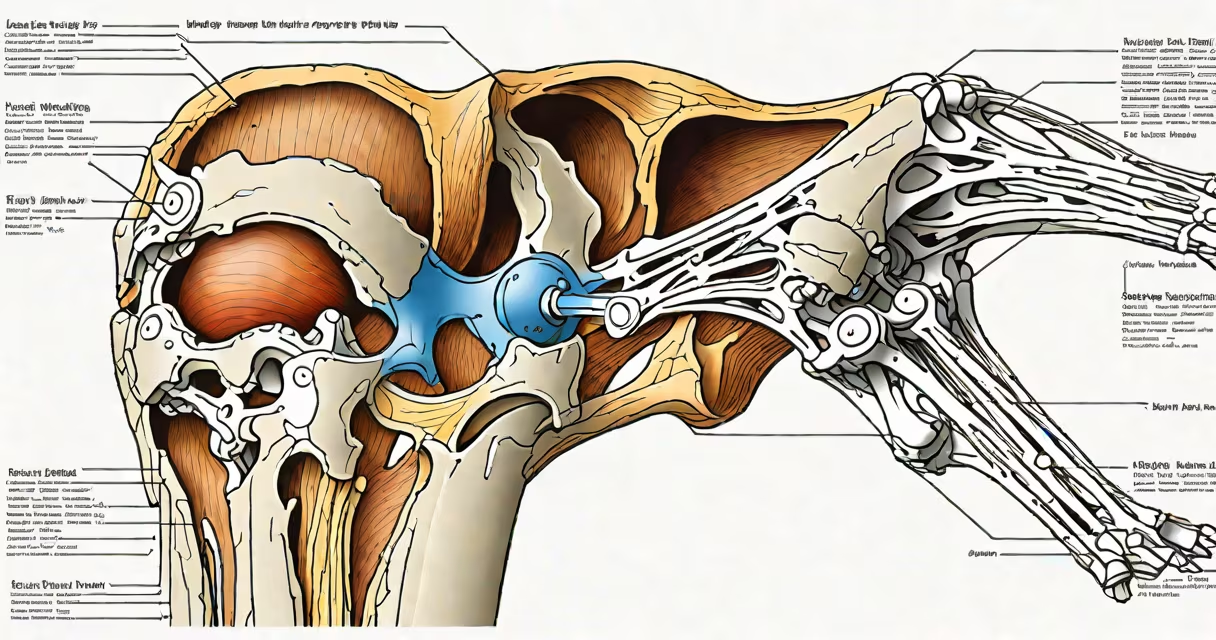
Knee popping happens when gas bubbles in synovial fluid collapse or soft tissues like tendons or ligaments snap over bones during motion. Most instances are harmless and don't indicate injury.
The sound originates in the joint space, a cavity filled with synovial fluid that reduces friction between bones. When you move your knee-bending, squatting, or standing up-the pressure changes inside the joint. This sudden shift causes dissolved gases, mainly nitrogen, to form tiny bubbles that then collapse with a sharp "pop" or "crack." This process is called cavitation and is the same mechanism behind finger-joint cracking.
A 2015 study published in Scientific Reports used MRI to observe the phenomenon in real time. Researchers found that the pop occurred precisely when a cavity formed in the joint space, confirming that joint cracking results from gas release-not tissue snapping. The study showed the event takes less than 100 milliseconds and requires only a small amount of joint separation-about 1 mm.
Not all knee pops are the same. They fall into distinct categories based on origin and sensation.
| Type | Sound | Source | Common Cause |
|---|---|---|---|
| Physiological | Sharp "pop" or "crack" | Gases in synovial fluid | Movement-induced pressure change |
| Tendinous | Snapping or "snap" | Tendon shifting over bone | Patellar tendon moving over femur |
| Ligamentous | "Click" or "snap" | Ligament sliding over bony ridge | ACL or PCL shifting during motion |
| Pathological | Grinding, catching, or locking | Damaged cartilage or loose bodies | Osteoarthritis, meniscus tear |
Physiological popping-like the kind heard when cracking knuckles-is common and typically painless. It often occurs during activities such as climbing stairs, getting out of a chair, or stretching. The sound may happen once or multiple times, depending on joint position and movement speed.
Tendinous popping, especially around the kneecap, is usually noticeable when bending or extending the leg. A patient I evaluated at a sports clinic reported hearing a "snap" every time they straightened their leg after sitting. Imaging confirmed the patellar tendon was slipping slightly off the femoral groove-a condition known as patellar subluxation. After targeted strengthening exercises, the noise disappeared within six weeks.
When popping is accompanied by pain, swelling, or instability, it signals potential structural damage. A 2020 review in Arthroscopy linked recurrent knee popping with higher rates of meniscal tears and early-onset osteoarthritis. For example, individuals with degenerative cartilage often report a grinding sensation-called crepitus-during walking or stair climbing. This isn't just noise; it's bone rubbing against bone due to worn-out cushioning tissue.
Many people mistake knee popping for joint deterioration or impending arthritis. But research shows most joint sounds are benign. A 2019 longitudinal study in JAMA Internal Medicine followed 2,000 adults over ten years. Participants who reported frequent joint cracking had no higher risk of developing osteoarthritis than those who didn't.
Another misconception is that popping indicates weak joints. In reality, joint laxity doesn't correlate with sound frequency. Some athletes with highly stable knees report loud popping during training, while others with hypermobile joints hear nothing. Stability depends on muscle strength, ligament integrity, and neuromuscular control-not on whether a joint makes noise.
Also, people often assume that if a joint makes noise, it must be damaged. But the absence of pain, swelling, or functional limitation is a strong indicator of normal function. The American Academy of Orthopaedic Surgeons notes that asymptomatic joint crepitus affects nearly 60% of adults over 40, yet few require treatment.
Popping becomes concerning when it's paired with symptoms. Red flags include:
If you experience these, consult a healthcare provider. An MRI or ultrasound can reveal cartilage wear, meniscus tears, or loose fragments. For example, a 34-year-old runner reported a "popping" sensation during sprints, followed by sudden buckling. An MRI showed a partial tear in the posterior horn of the medial meniscus-confirmed via arthroscopic surgery.
For mild cases without red flags, conservative management works. Strengthening the quadriceps and hamstrings improves joint stability. A 2021 randomized trial in British Journal of Sports Medicine found that patients with patellofemoral pain syndrome who completed a 12-week exercise program reduced knee popping by 73% compared to controls.
There's no evidence that intentionally cracking your knee worsens joint health. However, repetitive forced manipulation-such as pushing the kneecap side to side-can irritate soft tissues. Avoid self-manipulation unless guided by a physical therapist.
Understanding what makes your knee pop helps separate normal biomechanics from pathology. Most popping stems from harmless gas release or tendon movement. When pain, swelling, or instability appears, seek evaluation. Knowing the difference prevents unnecessary worry and guides timely care.