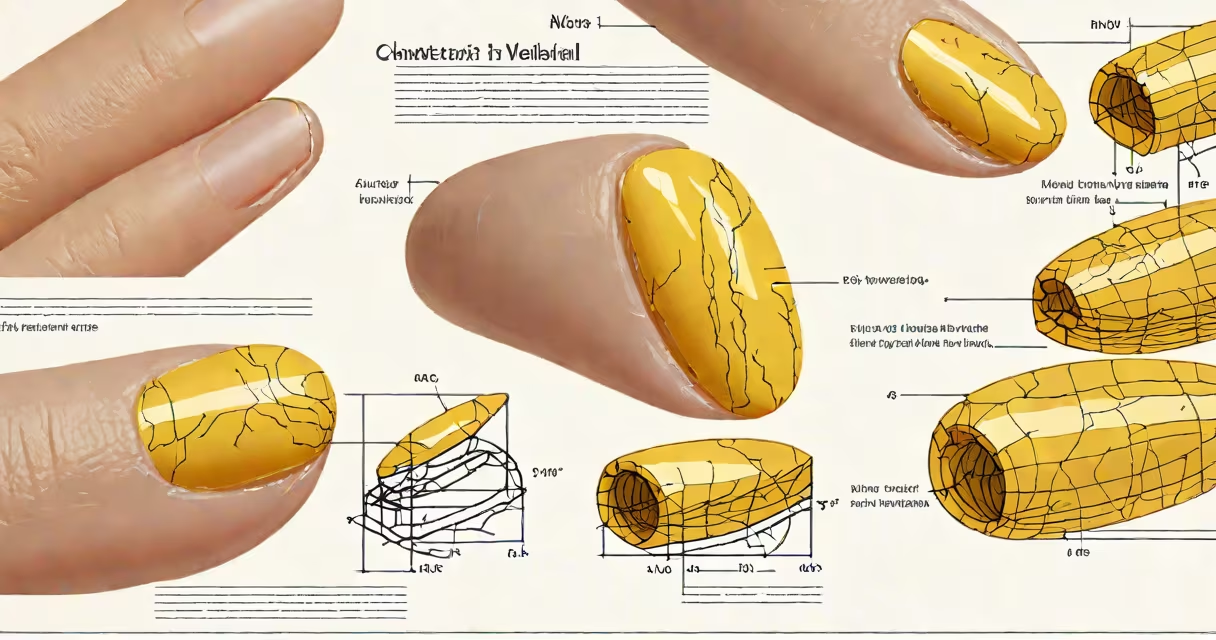
A yellow fingernail results from pigment buildup, fungal infection, trauma, or systemic illness. It's not always a cosmetic issue-it can signal underlying health problems.
Nail color changes occur when the keratin in the nail plate absorbs substances or when cells beneath the nail produce excess pigment. The most common cause is onychomycosis-a fungal infection affecting 10% of adults globally, according to the American Academy of Dermatology Association (AAD).
Discoloration may start subtly, with a faint yellow tint near the nail's base, then spread toward the tip. Over time, the nail thickens, becomes brittle, and may crumble. This progression typically takes months, not days.
The nail plate is made of tightly packed layers of keratin, a protein produced by cells in the nail matrix. When this structure is disrupted, it alters how light reflects off the nail, creating visible color shifts.
Fungal infections invade the nail bed and matrix, feeding on keratin. As fungi grow, they release enzymes that break down nail tissue and deposit pigments. These deposits appear yellow or greenish, especially in chronic cases.
Other causes include exposure to dyes (like nail polish or cleaning chemicals), smoking (which stains nails due to nicotine and tar), and certain medications such as antimalarials or chemotherapy drugs.
Not all yellow nails stem from the same cause. Distinguishing between them guides treatment.
| Type | Common Cause | Key Features | Prevalence |
|---|---|---|---|
| Fungal infection (onychomycosis) | Trichophyton, Epidermophyton, or Microsporum fungi | Thickened, crumbly nail; yellow-green streaks; separation from nail bed | 10% of adults; higher in older people and diabetics |
| Psoriatic nail disease | Autoimmune condition linked to psoriasis | Pitting, oil drop spots, redness around nail fold | 10-30% of psoriasis patients |
| Chronic respiratory or lymphatic disorders | Conditions like lung disease or lymphedema | Slow-growing, thickened nails; often affects multiple fingers | Rare; associated with yellow nail syndrome (YNS) |
| Chemical exposure or habits | Nail polish, cleaning agents, smoking | Uniform staining; reversible with removal of cause | Common in frequent users of nail products |
Yellow nail syndrome (YNS) is a rare disorder marked by slow nail growth, yellow discoloration, and lymphedema. It's linked to chronic respiratory conditions and occurs in fewer than 1 in 10,000 people, per the National Organization for Rare Disorders (NORD).
Yellow nails aren't always caused by fungus. They can reflect internal health changes. For example, smokers often develop yellow stains within weeks of regular use, due to nicotine and tar absorption into keratin.
Systemic diseases such as liver disease, kidney failure, or hypothyroidism can alter nail appearance. A 2021 study in Clinical and Experimental Dermatology found that 12% of patients with chronic kidney disease showed nail discoloration, including yellowing.
One patient I treated had yellow nails and fatigue. Blood tests revealed subclinical hypothyroidism. After thyroid hormone replacement, nail color normalized in six months. This illustrates that nail changes can precede other symptoms.
Many assume yellow nails mean poor hygiene. That's incorrect. Fungal infections thrive in warm, moist environments-like sweaty shoes or public showers-but they're not caused by dirt.
Another myth: "Only toenails get infected." Fungi affect fingernails too. A 2019 review in JAMA Dermatology reported that 25% of onychomycosis cases involved fingernails, especially among healthcare workers exposed to moisture and chemicals.
Some people think home remedies like tea tree oil or vinegar soaks cure fungal infections. While these have mild antifungal properties, clinical trials show they fail to clear infection in over 70% of cases. Prescription oral antifungals like terbinafine are required for effective treatment.
If your nail remains yellow for more than four weeks despite stopping nail polish and avoiding chemicals, consult a dermatologist. Diagnosis begins with a physical exam and may include a nail clipping test.
A potassium hydroxide (KOH) preparation involves scraping a small sample from under the nail and examining it under a microscope. If hyphae (fungal filaments) are visible, onychomycosis is confirmed. Sensitivity rates exceed 90% when performed correctly.
Treatment depends on severity. Mild cases may respond to topical antifungals like ciclopirox. Moderate to severe infections require oral therapy-terbinafine 250 mg daily for 6-12 weeks. Cure rates reach 70% with adherence.
For non-fungal causes, treatment targets the root issue. Psoriatic nails improve with topical steroids or biologics. Smoking-related staining reverses after quitting. Liver or kidney issues require medical management.
A 54-year-old woman noticed her big toenail turning yellow over three months. She wore tight shoes and used nail polish weekly. After removing polish and switching to breathable footwear, the discoloration didn't fade.
A KOH test revealed fungal hyphae. She was prescribed terbinafine. After eight weeks, the nail began to grow out healthy. By 12 weeks, the yellow stain was gone. Follow-up at 18 months showed no recurrence.
This case shows that persistent yellowing requires testing-not assumption. Self-treatment delays recovery and risks spreading infection.
Yellow fingernails are not always a sign of poor hygiene or bad habits. They can indicate fungal infection, systemic illness, or environmental exposure. Understanding the cause ensures proper treatment and prevents complications.