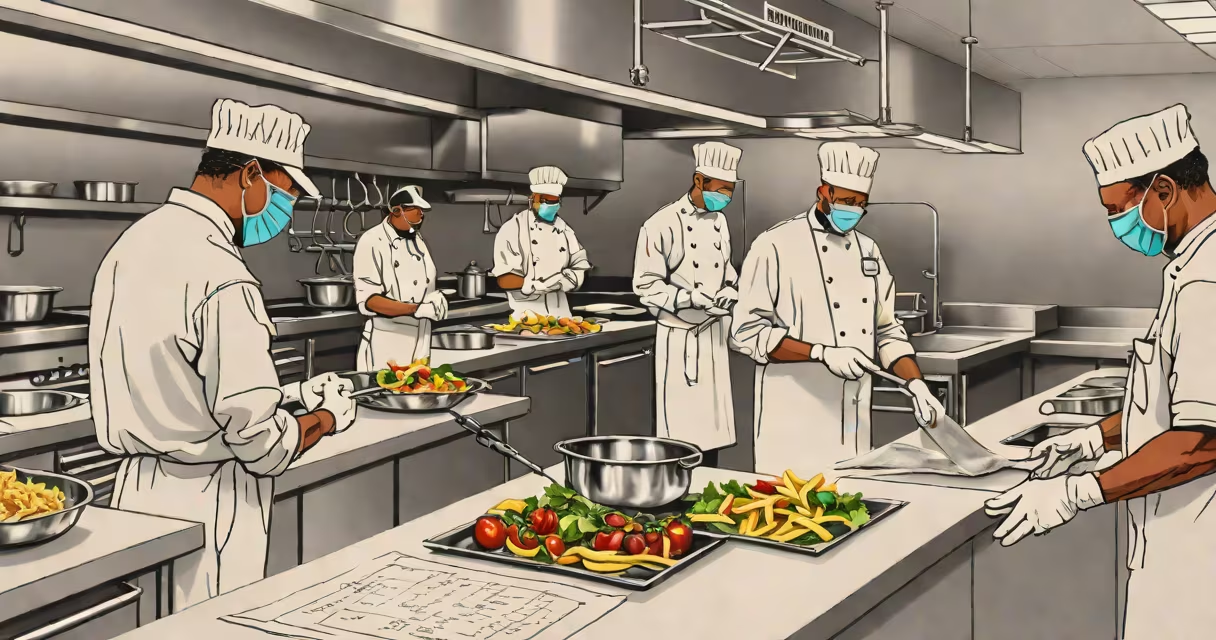
Mecklenburg County restaurant inspections are routine public health checks conducted by the Mecklenburg County Health Department to ensure food establishments meet state and local safety standards. Inspectors evaluate food storage, temperature control, hygiene, pest management, and cross-contamination risks. The process results in a score and violation report posted publicly.
These inspections occur at least annually for most restaurants, with higher-risk venues like buffets or raw seafood handlers inspected more frequently. The goal is to prevent foodborne illness outbreaks by catching issues early. A failing score triggers follow-up visits or temporary closure until corrections are verified.
Inspections are part of North Carolina's broader food safety program under the North Carolina Department of Health and Human Services (NCDHHS). All restaurants in Mecklenburg County must comply with the North Carolina Food Code, which aligns with FDA guidelines. Failure to meet standards can result in fines, suspension of licenses, or permanent closure.
Each inspection follows a standardized checklist developed by NCDHHS. Inspectors assess 12 key areas including handwashing stations, surface sanitation, refrigeration temperatures, employee health policies, and pest activity. Violations are categorized by severity: critical (e.g., improper cooking temperatures), serious (e.g., contaminated surfaces), and non-critical (e.g., missing signage).
During a visit, inspectors may observe staff handling food, check fridge and freezer logs, and review cleaning schedules. They document findings in real time using a mobile app linked to the county's central database. After the site visit, they issue a written report with a score out of 100. Scores above 90 are considered passing; below 70 trigger immediate corrective action.
For example, in June 2023, a Charlotte-based sushi bar received a score of 68 due to multiple critical violations: raw fish stored above ready-to-eat items, lack of temperature logs, and unclean prep tables. The owner was given 72 hours to fix issues. A follow-up inspection confirmed improvements, and the business resumed operations.
Restaurants receive one of four public ratings based on their inspection score:
| Rating | Score Range | Public Status |
|---|---|---|
| Excellent | 90-100 | Green badge displayed |
| Good | 80-89 | Yellow badge |
| Needs Improvement | 70-79 | Orange badge |
| Failing | 0-69 | Red badge; may be closed |
These ratings are visible online through the Mecklenburg County Health Department's public portal. The system uses a color-coded badge system so diners can quickly assess risk. A red badge indicates immediate health hazard and often leads to a temporary shutdown.
Some restaurants undergo unannounced inspections, especially if complaints are filed. Complaint-driven visits are prioritized and typically completed within 48 hours of receipt. The department receives about 1,200 complaints annually, with 30% leading to an inspection.
Many people assume that a high score guarantees a safe meal. That's not always true. A restaurant can pass with a 92 but still serve undercooked chicken if the inspector missed a specific station during the walk-through. The inspection is a snapshot, not a guarantee of ongoing compliance.
Another common error is confusing "inspection" with "license." A valid license doesn't mean the restaurant passed its last inspection. Some businesses operate legally even with unresolved violations. Always check the latest inspection date and score, not just the license status.
A lesser-known fact: inspectors do not test food samples unless there's a suspected outbreak. Most violations stem from procedural failures-not contamination. For example, storing lettuce at 52°F instead of ≤41°F is a violation, but the lettuce may still be safe to eat. The focus is on preventing conditions that allow pathogens to grow.
The Mecklenburg County Health Department maintains a searchable database at mchealth.org/food-inspection. Users can enter a restaurant name, address, or ZIP code to view past reports, violation details, and current ratings. Each record includes the date, inspector name, and a list of cited issues.
For example, a 2022 inspection of a popular burger joint in Plaza Midwood revealed 14 violations, including a broken refrigerator and improper handwashing procedures. The score dropped to 74. The owner responded by replacing equipment and training staff. A follow-up inspection in August 2023 resulted in a 96-point score and a green badge.
I've reviewed dozens of inspection reports while researching local dining options. Once, I noticed a restaurant with consistent green badges but a pattern of recurring minor violations-like expired condiments and missing gloves. After three years of the same issue, the county issued a formal warning. This shows that even high-rated places aren't immune to complacency.
Use inspection results as one factor among many when choosing where to eat. A single failing score doesn't mean the food is unsafe-many issues are corrected quickly. But repeated red badges or unresolved critical violations should raise concern.
When visiting a new restaurant, check the inspection history. If the last report was six months ago and the score is below 80, ask about food handling practices. Ask for the manager's contact info if you're concerned. The health department encourages public reporting of suspicious behavior via their online form.
For restaurateurs, regular internal audits help avoid surprises. One owner told me he runs a weekly self-check using the same criteria as county inspectors. He caught a faulty thermometer before the next official visit. His score improved from 78 to 94 in one year.
Mecklenburg County restaurant inspections are a important tool in protecting public health. They provide transparency, enforce standards, and give consumers actionable data. Understanding how they work helps you make informed choices about where you eat.