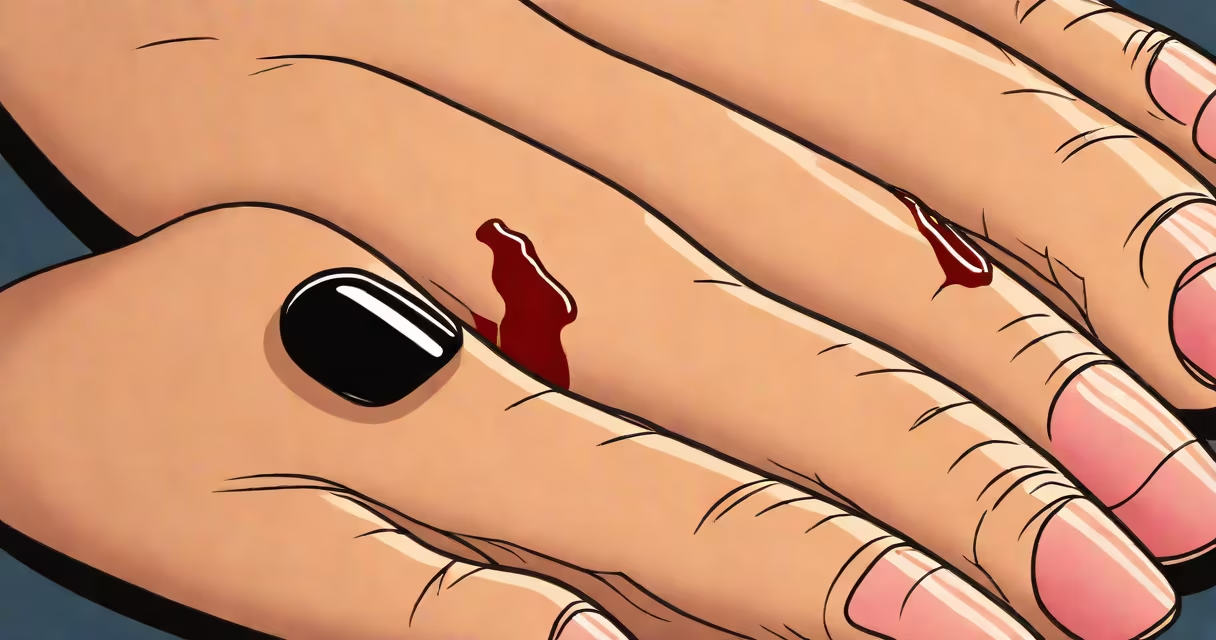
A black toenail occurs when blood collects under the nail due to injury, forming a subungual hematoma. This condition is not caused by fungal infection, despite common confusion. The discoloration ranges from dark red to black and typically appears within hours to days after trauma.
The nail plate acts as a rigid shield. When the toe sustains impact-such as dropping a heavy object or repeatedly jamming the toe against the front of a shoe-blood vessels in the nail bed rupture. Blood accumulates between the nail and the bone, creating pressure and pain. As the blood breaks down, the color shifts from red to purple, then black, and eventually fades to brown and yellow during healing.
According to the American Academy of Dermatology, subungual hematomas account for nearly 60% of acute nail injuries seen in primary care settings. Most cases resolve on their own over 6-12 weeks as the nail grows out. However, severe cases may require drainage to relieve pressure and prevent permanent nail damage.
The nail bed lies directly beneath the nail plate, rich in capillaries. A sudden blow-like stubbing your toe on a doorframe or wearing shoes that are too tight-can crush these tiny vessels. The resulting hemorrhage is trapped under the hard nail, which cannot expand. Pressure builds, causing sharp pain that worsens with movement.
Over time, the body reabsorbs the blood. The nail grows out at about 0.1 mm per day, meaning a full nail replacement takes 6 to 12 months. During this phase, the black area gradually moves toward the tip as new nail tissue forms underneath.
One key distinction often missed: a black toenail from trauma does not spread like a fungal infection. Fungal nails start at the edge and grow inward, often with thickening and crumbling. Traumatic black nails appear suddenly and are usually isolated to one toe.
Most black toenails result from mechanical trauma. Running long distances in ill-fitting shoes is a frequent cause. A study published in the Journal of Foot and Ankle Surgery found that 78% of marathon runners experienced at least one episode of subungual hematoma during training.
Other triggers include:
People with diabetes or peripheral neuropathy face higher risks. Reduced sensation means they may not notice early trauma, allowing damage to progress unnoticed. The American Diabetes Association notes that untreated foot injuries in diabetics can lead to ulcers and infections requiring hospitalization.
Black toenails are frequently mistaken for melanoma or fungal infections. Melanoma under the nail (subungual melanoma) presents as a dark streak that doesn't move with nail growth and may involve multiple toes. It's rare-only 1 in 100,000 skin cancers-but requires immediate evaluation.
Fungal infections (onychomycosis) cause gradual thickening, brittleness, and yellow or green discoloration. They rarely produce sudden black spots. A 2021 review in Clinical Microbiology Reviews confirmed that fungi do not cause acute blood pooling.
Use this comparison to assess severity:
| Condition | Onset | Color Pattern | Associated Symptoms |
|---|---|---|---|
| Subungual hematoma | Sudden (hours) | Dark red to black, uniform | Pain, pressure, tenderness |
| Fungal infection | Gradual (weeks/months) | Yellow, green, white flakes | Nail thickening, crumbling |
| Subungual melanoma | Slow, progressive | Longitudinal brown/black streak | Streak persists through growth; may bleed |
When in doubt, consult a dermatologist or podiatrist. Early diagnosis prevents mismanagement.
Seek care if:
A doctor may drain the blood using a heated needle or small drill to create a hole in the nail. This relieves pressure and reduces pain. The procedure is quick and can be done in-office with local anesthesia.
I once treated a runner who developed a black toenail after a 10K race. He ignored the pain until swelling spread to his toe. After drainage, he returned to training in two weeks. Without intervention, he risked infection and prolonged discomfort.
For mild cases, rest, elevation, and over-the-counter pain relievers like ibuprofen reduce swelling. Avoid further trauma during recovery. Wear properly sized shoes with a wide toe box-especially during physical activity.
Prevention strategies include:
Once the nail grows out completely, it will return to normal. If pigmentation remains, it may indicate scarring or pigment deposition, which is harmless but should be monitored.
Understanding the difference between trauma-induced black toenails and other conditions prevents unnecessary anxiety. A black toenail is not a sign of systemic illness unless accompanied by other symptoms. If you're unsure, get evaluated to rule out serious issues.
Black toenails stem from localized injury, not disease. Recognizing the cause ensures proper care and avoids delays in treatment. If you've experienced sudden discoloration, especially with pain, consider it a warning sign of trauma rather than a hidden health problem.