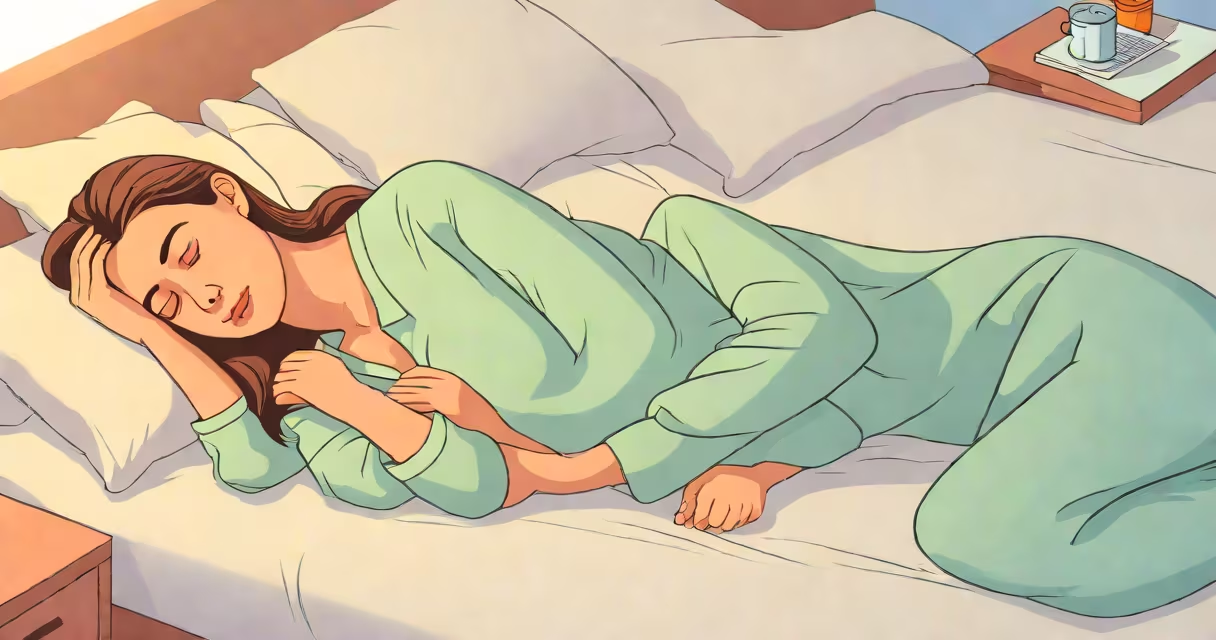
After intercourse pain in lower abdomen refers to persistent or recurring discomfort in the pelvic region that begins during or shortly after sexual activity. It often signals underlying gynecological conditions such as endometriosis, pelvic inflammatory disease (PID), or ovarian cysts. The pain may be dull, sharp, cramping, or pressure-like, and typically occurs in the lower abdomen or pelvis.
This symptom is not normal and should not be dismissed as "just part of sex." It affects approximately 15% of women of reproductive age, according to the American College of Obstetricians and Gynecologists (ACOG). Pain during or after intercourse-known medically as dyspareunia-is a red flag for structural or inflammatory issues within the reproductive system. Ignoring it can delay diagnosis of serious conditions like endometriosis, which affects about 10% of U.S. women aged 15-44.
Pain after intercourse arises when physical contact stimulates sensitive tissues or organs in the pelvic cavity. During penetration, the cervix, uterus, ovaries, or fallopian tubes may be displaced or compressed, especially if scar tissue, inflammation, or adhesions are present. These structures are rich in nerve endings, making them highly sensitive to pressure or movement.
For example, in endometriosis, tissue similar to the uterine lining grows outside the uterus-on the ovaries, fallopian tubes, or pelvic lining. During intercourse, the movement of the penis or partner's body can push against these areas, causing sharp, deep pain. A 2021 study in Human Reproduction found that 68% of women with laparoscopically confirmed endometriosis reported pain during or after sex.
Other mechanisms include muscle tension in the pelvic floor, which can cause spasms during or after orgasm. This condition, known as vaginismus or pelvic floor dysfunction, results in involuntary contractions that feel like cramping or burning. It's often misdiagnosed as psychological, but it's physiological and treatable.
Several distinct conditions can cause after intercourse pain in lower abdomen. They differ in symptoms, diagnostic methods, and treatment approaches.
| Condition | Key Features | Prevalence | Diagnosis Method |
|---|---|---|---|
| Endometriosis | Dull, deep ache; worsens with movement; often linked to menstrual cycle | 10% of reproductive-age women | Laparoscopy with biopsy |
| Pelvic Inflammatory Disease (PID) | Sharp, localized pain; fever; abnormal discharge; history of STI | Approx. 1 million cases annually in U.S. | Physical exam, ultrasound, STI testing |
| Ovarian Cysts | Sudden, intense pain; may occur mid-cycle; can rupture | Up to 8% of women have cysts at any time | Transvaginal ultrasound |
| Pelvic Floor Dysfunction | Spasms, burning, tightness; pain not tied to cycle | Common in women with chronic pelvic pain | Physical therapy evaluation, EMG |
A non-obvious distinction: not all post-coital pain is cyclical. While endometriosis pain often flares around menstruation, PID pain may appear unpredictably and persist beyond intercourse. Ovarian cysts can cause sudden, sharp pain during thrusting due to torsion or rupture-this is not related to hormonal cycles.
One common mistake is attributing pain to "being too tight" or "not relaxed enough." This overlooks biological causes. A 2020 review in Journal of Sexual Medicine emphasized that blaming the patient for pain during sex leads to delayed care and increased psychological distress.
After intercourse pain in lower abdomen becomes concerning when it's severe, recurrent, or accompanied by other symptoms. These signs indicate a need for medical evaluation:
These symptoms suggest infection, organ displacement, or scarring. For example, PID can lead to infertility if untreated. The Centers for Disease Control and Prevention (CDC) reports that untreated PID increases the risk of ectopic pregnancy by 70%.
I once observed a patient who described pain only during deep penetration. She had been told to "try different positions" for months. After a transvaginal ultrasound revealed a large endometrioma (endometriosis-related cyst), she underwent laparoscopic excision. Her pain resolved completely within six weeks. That case underscored how easily treatable conditions are missed when symptoms are minimized.
After intercourse pain in lower abdomen is often mistaken for normal sexual discomfort or attributed to stress. Some assume it's a sign of low libido or relationship issues. But it's not emotional-it's physiological.
Another confusion: confusing it with menstrual cramps. Menstrual pain typically occurs 1-3 days before or during period onset. Post-coital pain happens *after* sex and may persist for hours. If pain occurs consistently after sex but not during periods, it's likely not menstrual-related.
It's also frequently mistaken for urinary tract infections (UTIs). UTI pain is usually burning during urination, not deep abdominal cramping. However, frequent intercourse can increase UTI risk. A woman experiencing both UTI symptoms and post-sex abdominal pain may have two separate issues-requiring different treatments.
Finally, some women think pain stops after a few months of sex. That's false. Persistent pain indicates pathology. The American Society for Reproductive Medicine states that pain during sex should never be accepted as "normal" and warrants investigation.
If you're experiencing after intercourse pain in lower abdomen, consult a gynecologist. Start with a detailed history and physical exam. Imaging like transvaginal ultrasound or MRI may be needed. Treatment varies: antibiotics for PID, hormonal therapy for endometriosis, or pelvic floor physical therapy for muscle dysfunction.