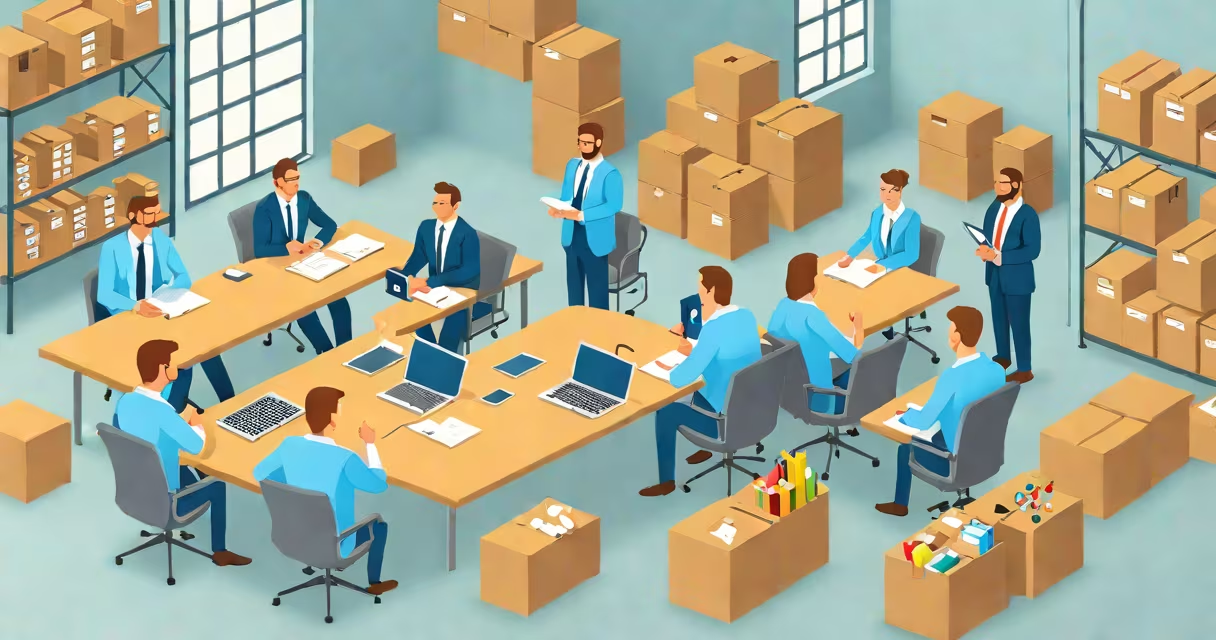
Front line management refers to the direct oversight of employees who perform day-to-day operational tasks. These managers ensure work meets quality standards, deadlines are met, and team members follow procedures. They act as the bridge between upper management and the workforce.
Front line managers typically supervise small teams in settings like retail stores, factories, call centers, or service operations. Their responsibilities include scheduling shifts, addressing immediate issues, providing feedback, and supporting employee development. They make real-time decisions that affect productivity and customer satisfaction.
According to the Society for Human Resource Management (SHRM), effective front line managers improve retention by 20% and reduce errors by up to 30% through consistent coaching and clear communication. This role is critical in maintaining operational continuity and aligning team output with organizational goals.
Front line management operates at the intersection of strategy and execution. While senior leaders set long-term objectives, front line managers translate those goals into actionable plans for their teams. They monitor progress, adjust workflows, and resolve problems before they escalate.
For example, in a fast-food restaurant, the shift supervisor schedules staff, assigns stations, handles customer complaints, and ensures food safety protocols are followed. If a kitchen worker calls in sick, the supervisor redistributes tasks to maintain service speed and accuracy. These adjustments happen within minutes, not days.
Managers use tools like daily checklists, performance dashboards, and brief stand-up meetings to track outcomes. A retail store manager might review sales reports hourly during peak hours to decide whether to open additional registers. This rapid response capability prevents bottlenecks and keeps operations running smoothly.
While the core function remains consistent, front line management varies by industry and organizational structure. The following table outlines common roles and their key duties:
| Role | Typical Industry | Key Responsibilities |
|---|---|---|
| Shift Supervisor | Retail, Food Service, Logistics | Staff scheduling, real-time problem solving, compliance monitoring |
| Team Lead | Call Centers, Manufacturing, Customer Support | Task assignment, performance tracking, coaching on scripts or procedures |
| Operations Coordinator | Healthcare, Transportation, Events | Resource allocation, workflow coordination, incident reporting |
Each role requires different skills. A shift supervisor in a hospital emergency department must manage triage flow and staff availability under pressure. A team lead in a software support center focuses on ticket resolution times and escalation paths. Despite different contexts, all share the goal of keeping operations stable and efficient.
Many people assume front line management is simply "watching people do their jobs." That's incorrect. Effective front line management involves proactive planning, emotional intelligence, and continuous feedback.
A frequent error is treating the role as purely administrative. In reality, front line managers often handle conflict resolution, mentor new hires, and advocate for team needs to higher-ups. A study by Gallup found that 70% of employee engagement differences across teams stem from the quality of the front line manager, not company policies.
Another misunderstanding is equating front line management with authority. While managers have decision-making power, influence comes from trust, consistency, and fairness. One supervisor I observed in a warehouse used a rotating accountability board to track daily metrics. Team members saw their contributions reflected visibly, which increased ownership and reduced absenteeism by 15% over six months.
Without front line management, even well-designed processes fail. A factory with perfect production lines still experiences delays if supervisors don't notice a machine malfunction early. A retail chain may have strong branding, but customer satisfaction drops if cashiers aren't trained to handle returns correctly.
Front line managers are the first to spot trends-like declining morale or recurring equipment failures. They collect real-time data that informs larger decisions. For example, a call center manager noticed a spike in call abandonment rates during afternoon shifts. After reviewing recordings, she identified inconsistent training as the root cause. She redesigned the onboarding process, reducing abandonment by 40% in two months.
Organizations that invest in front line management see measurable results. Research from the Harvard Business Review shows companies with structured front line leadership programs report 25% higher productivity and 35% lower turnover among frontline workers.
Understanding what is front line management clarifies its strategic impact. It's not a low-level position-it's a foundational layer of organizational success. When teams operate efficiently, customers receive better service, and businesses achieve consistent results.