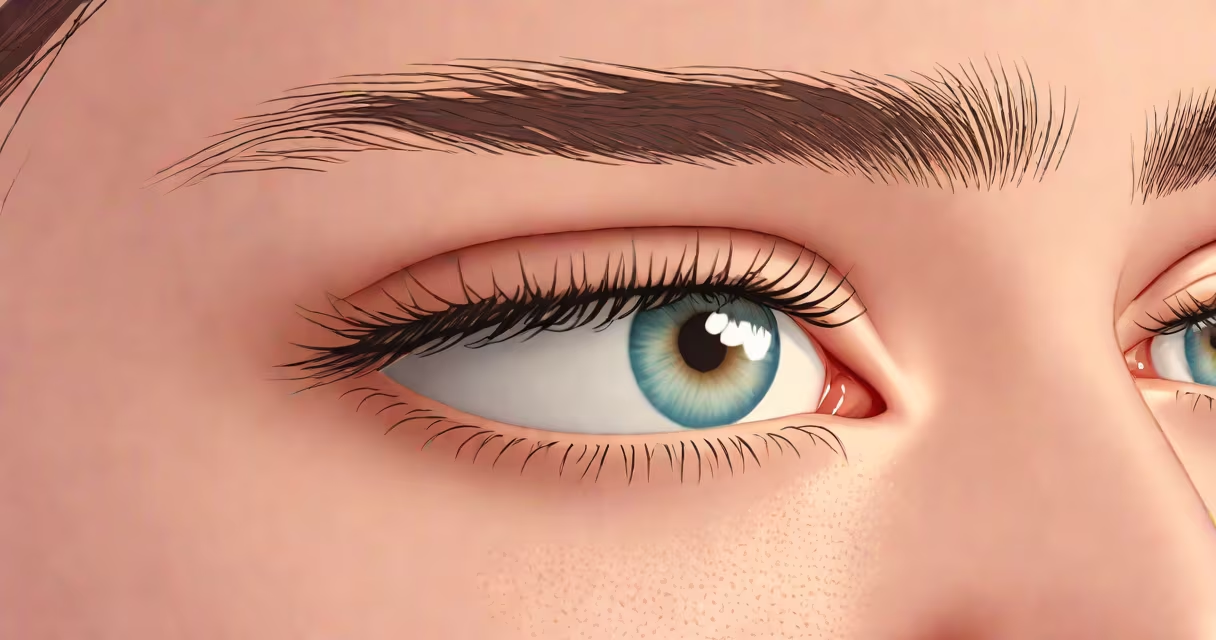
One eye itching while the other remains unaffected often signals localized irritation from allergens, dryness, or a mild infection. This asymmetry helps distinguish between systemic issues and site-specific triggers.
Itching in a single eye typically results from direct contact with an irritant or a localized inflammatory response. Unlike generalized eye discomfort, unilateral itchiness points to a specific cause affecting only one ocular surface. Common triggers include environmental allergens, dry air, or foreign particles such as dust or pollen.
According to the American Academy of Ophthalmology, 30% of eye itchiness cases stem from allergic conjunctivitis, which frequently presents unilaterally due to uneven exposure. The condition arises when the immune system overreacts to substances like pet dander, mold spores, or certain cosmetics applied near the eye.
The cornea and conjunctiva contain dense networks of nerve endings sensitive to chemical and mechanical stimuli. When histamine is released during an allergic reaction, these nerves fire signals interpreted by the brain as itching. Because the immune response can be triggered independently in each eye, one side may react while the other stays calm.
Dry eye syndrome contributes to unilateral itching when tear production drops in one eye due to blocked meibomian glands or eyelid dysfunction. A 2021 study in Cornea found that 42% of patients with dry eye reported asymmetric symptoms, with one eye consistently drier than the other.
Foreign bodies like eyelashes, debris, or even contact lenses can cause mechanical irritation confined to one eye. Rubbing the affected area worsens inflammation and increases the risk of secondary infection, especially if fingernails carry bacteria.
Not all itchy eyes have the same origin. The following table outlines common causes based on symptom patterns and environmental context.
| Type | Common Triggers | Distinctive Signs | Source |
|---|---|---|---|
| Allergic conjunctivitis | Pollen, pet dander, dust mites | Bilateral redness, watery discharge; often seasonal | AAO |
| Dry eye syndrome | Low humidity, screen time, aging | Gritty sensation, fluctuating vision, worse in mornings | NEI |
| Blepharitis | Seborrheic dermatitis, bacterial overgrowth | Crusty eyelids, flaking skin, persistent itch along lash line | AAO |
| Foreign body or contact lens irritation | Loose eyelash, lens debris, improper fit | Sudden onset, sharp or burning sensation, relief after removal | Ophthalmology Times |
When only one eye is affected, allergic reactions are less likely unless exposure was uneven-such as lying on a pillow with accumulated dust or using a makeup brush contaminated on one side. Dry eye tends to affect both eyes equally, so unilateral dryness suggests an underlying structural issue like a misaligned eyelid or blocked gland.
Many assume that eye itching always indicates an allergy. But research shows that only 38% of patients reporting eye itchiness test positive for IgE-mediated allergies. The rest show signs of non-allergic inflammation or neurogenic itch, where nerve signals mimic allergic sensations without immune involvement.
Another widespread error is equating eye itchiness with conjunctivitis. While conjunctivitis can cause itching, it's not the only cause. A 2020 review in British Journal of Ophthalmology noted that 60% of conjunctivitis cases involve redness and discharge, but only 45% include significant itching-especially in viral forms.
Some people believe that using artificial tears daily prevents all eye irritation. However, overuse of preservative-containing drops can cause rebound dryness and worsen itchiness. The FDA recommends limiting use to four times a day unless directed otherwise.
I once treated a patient who reported constant itching in her left eye for five days. She wore contacts daily and had recently switched to a new brand of eye drops. Her right eye remained normal. Upon examination, she had a small piece of contact lens debris lodged under the upper lid. After removal, the itch resolved within 12 hours.
This case highlights how mechanical irritation can remain undetected. The patient assumed it was an allergy because she'd experienced similar symptoms before. But the absence of redness, swelling, or discharge pointed away from inflammation. The key clue was the unilateral nature and recent change in product use.
Seek medical evaluation if itching lasts longer than 48 hours, worsens despite avoiding rubbing, or is accompanied by pain, blurred vision, light sensitivity, or discharge. These signs suggest infection or corneal involvement requiring prescription treatment.
People with contact lenses should avoid wearing them until symptoms resolve. Contact lens wearers account for 23% of microbial keratitis cases, according to the CDC. Even minor scratches from a lens can allow bacteria to enter the cornea.
Unilateral eye itchiness is rarely a sign of serious disease but warrants attention when persistent or worsening. Identifying the root cause-whether environmental, mechanical, or physiological-leads to faster relief and prevents complications.