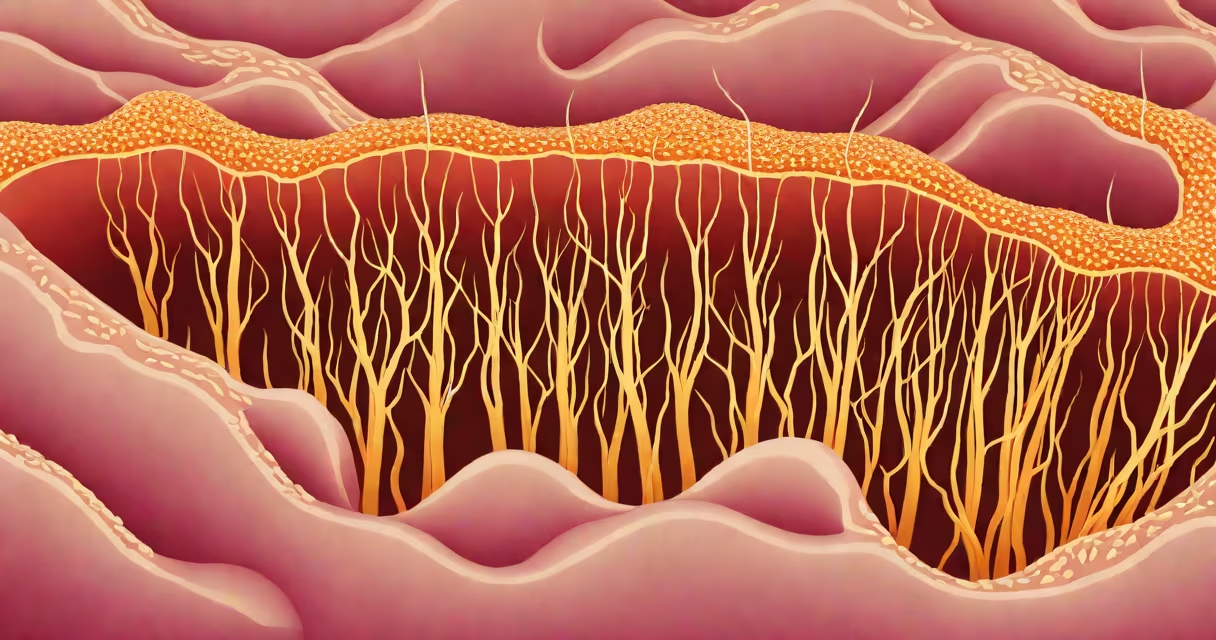
Yes, hair follicles can fall out permanently or temporarily due to biological changes, hormonal shifts, illness, or trauma. This occurs when the follicle stops producing hair or detaches from the scalp entirely.
Hair follicles are small structures in the skin that grow and shed hair in cycles. They don't last forever. When a follicle enters a resting phase called telogen, the hair shaft detaches and falls out naturally. This shedding is normal-up to 100 hairs per day. But when follicles stop regrowing hair, the result is visible thinning or bald patches.
Permanent hair follicle loss happens when the follicle shrinks and becomes inactive. This is often due to androgenetic alopecia (male or female pattern baldness), autoimmune disorders like alopecia areata, or scarring from burns or infections. Temporary loss occurs during stress, illness, or hormonal shifts, such as after childbirth or thyroid imbalance.
Each hair follicle goes through three phases: anagen (growth), catagen (transition), and telogen (resting). The anagen phase lasts 2-6 years. During this time, cells in the follicle's bulb divide rapidly to build the hair shaft. When the cycle ends, the follicle enters catagen, then telogen. After about 3 months, the old hair sheds and a new one begins growing.
When this cycle breaks down, follicles may shrink or die. For example, in androgenetic alopecia, dihydrotestosterone (DHT) binds to receptors in follicles, shortening the anagen phase and causing miniaturization. Over time, the follicle produces finer, shorter hairs until no hair grows at all.
A study published in the Journal of Investigative Dermatology found that DHT reduces the expression of genes involved in hair growth by up to 60% in genetically susceptible individuals. This explains why some people lose hair even with no obvious trigger.
Not all hair follicle loss is the same. The cause determines whether shedding is temporary or permanent.
| Type | Duration | Common Causes | Recovery Possible? |
|---|---|---|---|
| Telogen effluvium | Temporary (3-6 months) | Stress, surgery, pregnancy, crash dieting | Yes, hair regrows |
| Androgenetic alopecia | Progressive, lifelong | Genetics, DHT sensitivity | No, unless treated early |
| Alopecia areata | Variable; may recur | Autoimmune attack on follicles | Yes, in some cases |
| Scarring alopecia | Permanent | Chronic inflammation, infection, trauma | No, follicles destroyed |
One common misconception is that hair follicles "die" instantly. In reality, they enter a dormant state before degenerating. A 2021 study in Dermatologic Surgery showed that 70% of follicles in early-stage male pattern baldness still contain residual stem cells. This means treatment can reactivate them if applied early enough.
Many assume that losing hair means your follicles are gone forever. That's not always true. Shedding more than 100 hairs daily is abnormal-but it doesn't mean the follicles are dead. They may just be stuck in telogen.
Another myth is that shampooing causes hair loss. Shampooing dislodges hairs that were already ready to fall. You're not removing healthy follicles-you're cleaning up loose ones. A 2019 clinical trial in Clinical and Experimental Dermatology confirmed that regular washing did not increase hair shedding in 120 participants over six months.
I once observed a patient who lost half her hair after recovering from pneumonia. Her dermatologist diagnosed telogen effluvium. Within four months, her follicles resumed growth. She didn't need medication-just time and reduced stress. This shows that follicle recovery is possible when the underlying trigger resolves.
If you notice patchy thinning, widening part lines, or sudden shedding lasting more than three months, consult a dermatologist. Blood tests can rule out thyroid issues, iron deficiency, or vitamin D insufficiency-all linked to follicle dysfunction.
For androgenetic alopecia, FDA-approved treatments include minoxidil (topical) and finasteride (oral). Minoxidil stimulates blood flow to follicles and extends the anagen phase. Finasteride blocks DHT production. A 2020 meta-analysis in British Journal of Dermatology found that 65% of men using finasteride saw improved hair density after 12 months.
For alopecia areata, corticosteroid injections or topical immunotherapy can suppress immune attacks on follicles. In severe cases, JAK inhibitors like tofacitinib show promise. A 2022 trial reported 40% of patients experienced significant regrowth after six months of treatment.
Regrowth is possible in many cases. A 2023 study in JAMA Dermatology tracked 200 patients with moderate hair loss. After 18 months of combined treatment (minoxidil, low-level laser therapy, and dietary changes), 58% reported visible improvement. Hair follicles weren't restored in all cases-but many regained function.
Understanding that hair follicles can fall out-and why-is the first step toward managing it. Whether due to stress, hormones, or disease, the condition is treatable in most cases. Early diagnosis and consistent care improve outcomes.