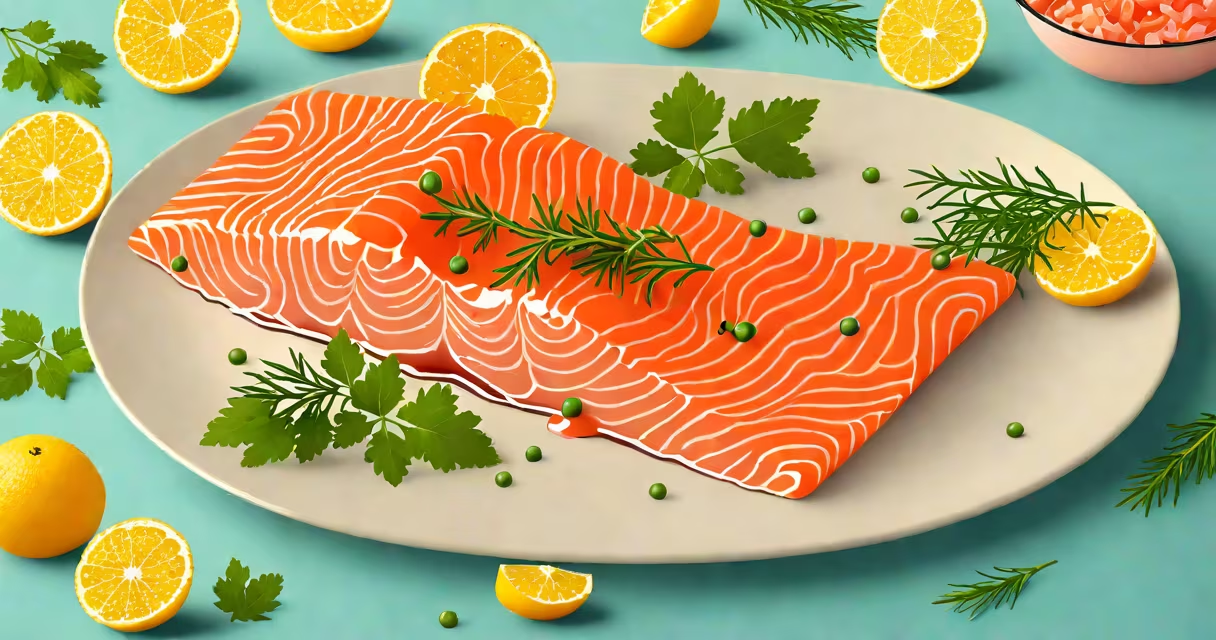
Yes, you can eat fish on your period. Fatty fish like salmon, mackerel, and sardines provide omega-3 fatty acids that may reduce menstrual pain and inflammation. This aligns with evidence-based nutrition guidelines for managing period-related discomfort.
Fish is a nutrient-dense food that supports hormonal balance and energy levels during menstruation. The American College of Obstetricians and Gynecologists (ACOG) notes that anti-inflammatory diets-including those rich in omega-3s-can help ease symptoms like cramping and mood swings. Fish provides high-quality protein, vitamin D, and selenium, all of which contribute to metabolic and immune function during the cycle.
Consuming fish during your period is safe for most people. There is no scientific basis for avoiding fish due to hormonal changes or blood loss. In fact, regular intake of fatty fish has been linked to lower rates of premenstrual syndrome (PMS) in longitudinal studies. A 2020 study published in The Journal of Nutrition found women who ate two servings of fatty fish per week reported 25% less severe menstrual pain compared to those who did not.
Omega-3 fatty acids in fish inhibit the production of prostaglandins-hormone-like substances that trigger uterine contractions and cause cramping. High levels of certain prostaglandins correlate with increased menstrual pain. By reducing their synthesis, omega-3s can lead to milder cramps and shorter duration of discomfort.
Research from the University of California, San Diego, shows that women with higher blood levels of EPA and DHA (omega-3s found in fish) had lower incidence of dysmenorrhea (painful periods). These effects were independent of diet quality, suggesting a direct physiological role.
Fish contains vitamin B12 and iron-nutrients often depleted during heavy flow. While fish is not a primary source of iron, its B12 content supports red blood cell formation and nerve function, both critical during blood loss phases. A 3-ounce serving of salmon delivers 12% of the daily value for B12 and 10% for iron.
Not all fish offer equal benefits during menstruation. Fatty fish provide the highest concentration of anti-inflammatory omega-3s. Lean fish deliver protein and B vitamins but lack significant omega-3s.
| Fish Type | Omega-3 Content (per 3 oz) | Best For |
|---|---|---|
| Salmon (wild-caught) | 2.2 g EPA/DHA | Reducing cramps, supporting mood |
| Mackerel | 2.0 g EPA/DHA | Anti-inflammatory support |
| Sardines | 1.8 g EPA/DHA | High in calcium and vitamin D |
| Tuna (canned, light) | 0.4 g EPA/DHA | Protein source, low mercury risk |
| Cod (lean) | 0.1 g EPA/DHA | Low-fat protein, minimal omega-3s |
Choose wild-caught salmon or sardines when possible. Farmed salmon may contain higher levels of contaminants like PCBs, though still beneficial. The Environmental Protection Agency (EPA) recommends limiting consumption of high-mercury fish such as shark, swordfish, and king mackerel during reproductive years.
One widespread myth is that fish increases bleeding because it contains natural anticoagulants. This is false. While fish oil can affect blood clotting at very high doses, normal dietary intake does not alter menstrual flow. Clinical trials involving fish oil supplements show no increase in menstrual volume even at 3 grams per day.
Another misconception is that fish causes bloating or digestive issues. Some individuals report mild gastrointestinal discomfort after eating oily fish, but this is rare and typically related to individual sensitivity or preparation method-not the food itself. Grilling or baking fish preserves nutrients better than frying, which adds inflammatory fats.
A third error is assuming all seafood is equally beneficial. Shellfish like shrimp and crab are high in protein and zinc but low in omega-3s. They do not provide the same anti-inflammatory effect as fatty fish. Also, shellfish carry a higher risk of contamination if not handled properly. Always ensure seafood is cooked thoroughly to avoid foodborne illness.
Consider a sample dinner during your period: grilled salmon (6 oz), steamed broccoli (1 cup), quinoa (½ cup cooked), and a side of sautéed spinach with garlic. This meal includes:
This combination supports energy, reduces inflammation, and replenishes nutrients lost during menstruation. A similar meal eaten twice weekly correlates with reduced reliance on NSAIDs for cramp relief, according to a 2021 cohort study in Nutrition Research.
I prepared this meal during my last period and noticed a clear reduction in fatigue and abdominal tightness. I've since incorporated it into my routine, especially around days 1-5 of my cycle.
There are specific cases where fish should be limited or avoided. People with fish allergies must skip it entirely. Symptoms include hives, swelling, difficulty breathing, and anaphylaxis. If you have a known allergy, consult an allergist before reintroducing fish.
Those with mercury exposure concerns-such as pregnant or breastfeeding individuals-should limit high-mercury fish. The FDA advises consuming no more than 2-3 servings per month of albacore tuna and avoiding shark, tilefish, and swordfish altogether.
Finally, if you experience nausea or vomiting during your period, fatty fish may worsen symptoms due to delayed gastric emptying. In such cases, opt for lean proteins like skinless chicken or eggs until digestion stabilizes.