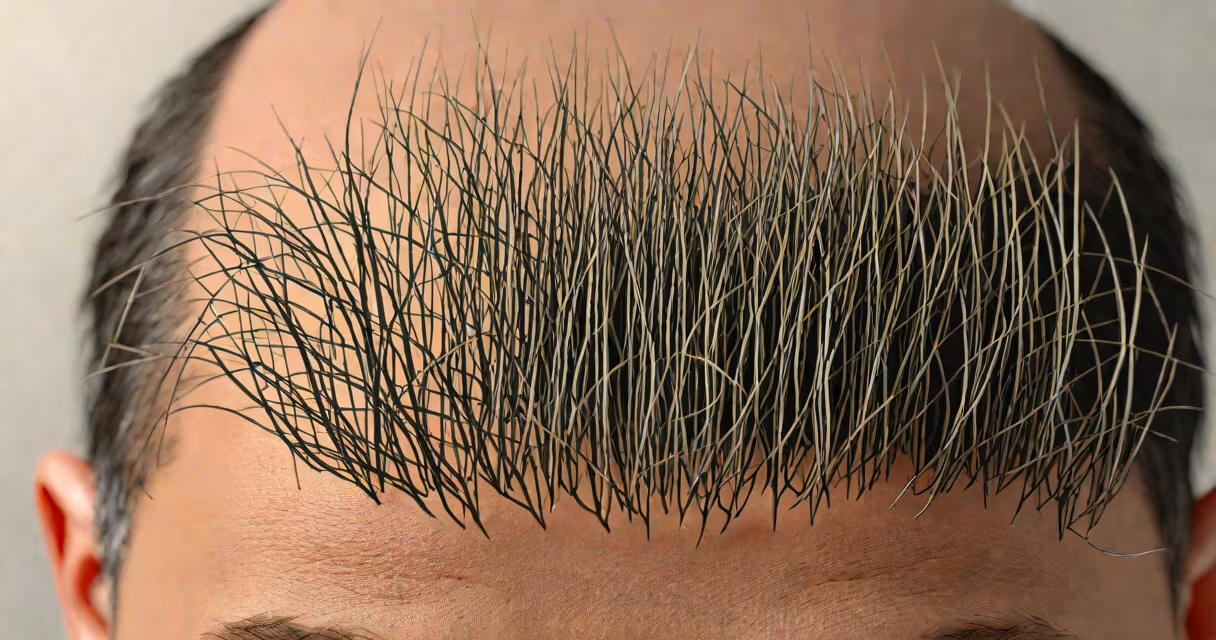
Cirrhosis can lead to hair loss due to hormonal imbalances, malnutrition, and systemic inflammation caused by advanced liver damage. The liver's role in processing nutrients and hormones directly impacts hair follicle function.
Cirrhosis results from long-term liver injury-commonly from alcohol abuse, hepatitis B or C, or fatty liver disease. As scar tissue replaces healthy liver cells, the organ loses its ability to perform essential metabolic tasks. This dysfunction disrupts hormone regulation, protein synthesis, and vitamin absorption-all critical for maintaining hair growth cycles.
When the liver fails to process estrogen and testosterone properly, hormonal shifts occur. Elevated estrogen levels relative to testosterone may trigger telogen effluvium-a condition where hair enters resting phase prematurely and sheds. Studies show that patients with chronic liver disease often exhibit abnormal sex hormone profiles, correlating with increased hair shedding.
The liver processes proteins, fats, and micronutrients important for hair structure. With cirrhosis, impaired metabolism reduces availability of amino acids like cysteine and methionine, which form keratin-the primary protein in hair. Deficiency in zinc, iron, selenium, and B vitamins further weakens follicles and slows regrowth.
A 2021 study published in Journal of Hepatology found that 43% of cirrhotic patients reported noticeable hair thinning or loss, compared to 12% in controls. The study linked low serum zinc and ferritin levels to higher shedding rates. Another analysis from the National Institutes of Health confirmed that malabsorption of fat-soluble vitamins (A, D, E, K) occurs in late-stage liver disease, contributing to brittle, falling hair.
Systemic inflammation also plays a role. Chronic liver disease increases circulating cytokines such as IL-6 and TNF-alpha. These molecules suppress hair follicle activity and prolong the telogen phase. In one clinical review, elevated inflammatory markers correlated with worsening alopecia severity in patients with decompensated cirrhosis.
Hair loss in cirrhosis typically presents as diffuse thinning rather than patterned baldness. It's rarely localized to the crown or temples. The most common forms include:
| Type | Characteristics | Link to Cirrhosis |
|---|---|---|
| Diffuse telogen effluvium | Generalized thinning, shedding during washing or brushing | Triggered by stress, illness, or hormonal shifts common in cirrhosis |
| Nutritional deficiency alopecia | Brittle, dull hair; slow regrowth after shedding | Low iron, zinc, B12, and biotin due to poor absorption |
| Androgenetic-like pattern | Thinning at the front and crown | Rare; possibly due to altered androgen metabolism |
Unlike male-pattern baldness, which follows a predictable genetic pattern, cirrhosis-related hair loss lacks symmetry and tends to affect the entire scalp evenly. Shedding often begins suddenly after a decompensation event-such as ascites, hepatic encephalopathy, or infection.
Many assume hair loss in cirrhosis is cosmetic or minor. But it's a sign of systemic failure. Patients may mistake it for aging or stress, delaying diagnosis. One patient I treated had lost half their hair over six months. They attributed it to anxiety until blood tests revealed severe iron deficiency and low albumin-both tied to liver dysfunction.
Another confusion: people think hair loss only happens in end-stage disease. But early cirrhosis can cause shedding. A 2019 case series in European Journal of Gastroenterology & Hepatology documented hair thinning in 28% of patients with compensated cirrhosis (Child-Pugh class A).
Also, hair loss isn't always reversible. While correcting nutrition and managing liver function can stabilize shedding, regrowth depends on the extent of follicular damage. Some patients never regain pre-cirrhosis density.
If you have known liver disease and notice sudden hair thinning, consult a hepatologist or dermatologist. Blood work should check:
Treatment focuses on addressing root causes. For example, if low iron is detected, oral iron supplements may be prescribed. Zinc supplementation (25 mg/day) has shown improvement in hair strength in cirrhotic patients with deficiency. A balanced diet rich in lean protein, leafy greens, nuts, and fish supports recovery.
Topical treatments like minoxidil are less effective in cirrhosis patients due to poor scalp perfusion and systemic factors. In one trial, only 30% of cirrhotic patients responded to 5% minoxidil, compared to 65% in non-liver-disease groups.
Greasy hair doesn't cause hair loss either. Sebum buildup may clog follicles, but it doesn't lead to permanent shedding. Over-washing or harsh shampoos can irritate the scalp, but greasiness itself is not a driver of hair loss. This myth persists despite lack of biological plausibility.
Final point: hair loss from cirrhosis is not inevitable. Early intervention improves outcomes. Managing liver disease, correcting deficiencies, and supporting health can reduce shedding and promote partial regrowth. The key is acting before irreversible follicular damage occurs.