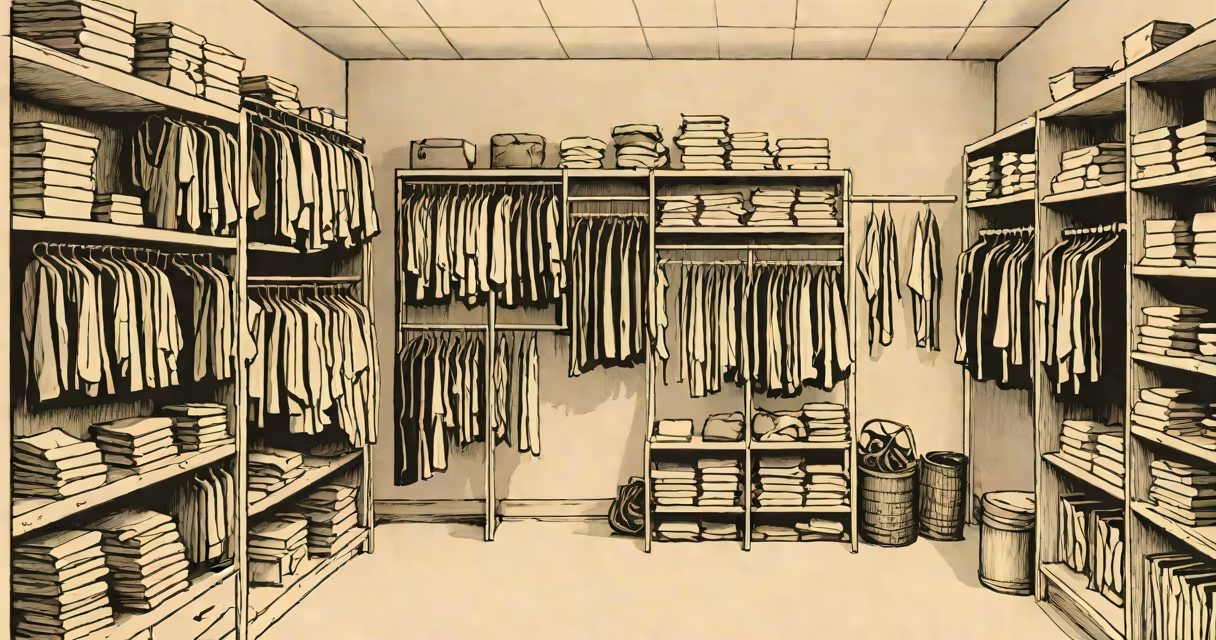
Goodwill accepts gently used clothing, household goods, electronics, and furniture in working condition. Items must be clean, free of stains or tears, and not excessively worn. Not all stores accept the same items due to local demand and space constraints.
Goodwill operates under a nonprofit model focused on reuse and recycling. The organization evaluates donations based on condition, marketability, and safety. Items that don't meet these standards are diverted to recycling partners or sold to textile recyclers. This helps only usable goods enter resale channels.
According to Goodwill Industries International, over 90% of donated items are reused or recycled annually. The organization processes approximately 1.6 million pounds of donations daily across U.S. locations. These figures reflect a system designed to maximize reuse while minimizing landfill waste.
Each donation is assessed on-site by trained staff. The evaluation considers wear level, cleanliness, functionality, and current market demand. For example, a pair of jeans with a small hole may be rejected even if otherwise intact, because repair costs exceed resale value.
Items must be free of mold, mildew, or strong odors. A stained leather jacket or a torn sofa cushion disqualifies an item regardless of brand. Even high-end designer clothing fails acceptance if damaged beyond minor repairs.
During my visit to a Goodwill in Portland, Oregon, I observed staff rejecting a vintage leather handbag with a cracked handle. The bag was labeled "for recycling" despite being from a well-known brand. The decision wasn't about brand value-it was about safety and usability.
The following table outlines common categories, what's acceptable, and what's not.
| Category | Accepted Items | Rejected Items |
|---|---|---|
| Clothing | Shirts, pants, shoes (clean, no holes) | Torn fabrics, stained garments, worn-out soles |
| Furniture | Chairs, tables, dressers (functional, no broken parts) | Water-damaged wood, missing drawers, sagging frames |
| Electronics | TVs (under 50 inches), laptops, microwaves (working) | Non-functional devices, outdated models, water-damaged units |
| Books & Media | Hardcover books, DVDs (no scratches), video games (complete) | Missing pages, moldy covers, scratched discs |
| Household Goods | Pots, pans, kitchenware (no dents) | Cracked cookware, rusted metal, broken handles |
Goodwill does not accept hazardous materials such as batteries, paint, or cleaning solvents. These are classified as regulated waste and must be disposed of through municipal programs.
Some donors assume that all electronics are welcome. However, Goodwill only accepts working devices. A smartphone with a cracked screen and no power will be refused-even if it's a new model. The organization prioritizes functional items to ensure customer safety and minimize returns.
Many people believe that donating old or damaged items supports Goodwill's mission. This is incorrect. Donated items that cannot be resold or recycled are sent to landfills or waste facilities. According to the Environmental Protection Agency, nearly 11 million tons of textiles ended up in U.S. landfills in 2022-many from well-intentioned but misinformed donors.
Another misconception is that all Goodwill locations accept the same items. In reality, acceptance policies vary by region. A store in rural Nebraska may reject large appliances due to limited storage, while an urban location in Chicago may accept them based on higher demand.
Donors often overlook the importance of cleaning. A backpack with food residue or a coat with pet hair may be discarded. Goodwill recommends washing clothes and wiping down electronics before donation. This reduces contamination risk and increases the chance of resale.
For example, Goodwill in San Diego allows drop-offs Monday through Saturday from 8 a.m. to 6 p.m., but only accepts electronics between 10 a.m. and 4 p.m. due to staffing limits. This timing restriction prevents overcrowding and ensures proper handling.
A fully worked example: A donor in Denver dropped off a box containing 12 pairs of used jeans, 3 laptops, and 20 hardcover novels. The staff inspected each item. The jeans were accepted-no rips or stains. The laptops were rejected due to missing chargers and outdated operating systems. The books were accepted, though one had a water stain and was later donated to a recycling partner. The donor received a receipt for $145 in tax deductions.
Goodwill does not provide cash for donations. Instead, it issues a receipt for tax purposes. The IRS allows deductions based on fair market value, which is typically lower than retail price. For items valued over $500, donors must obtain a written appraisal.
Finally, never donate items that are unsafe or illegal. Goodwill does not accept weapons, prescription drugs, or expired food. These are handled by law enforcement or public health departments.
Understanding what items will goodwill accept prevents wasted time and ensures your contribution supports reuse, not waste. Always check local guidelines before donating.