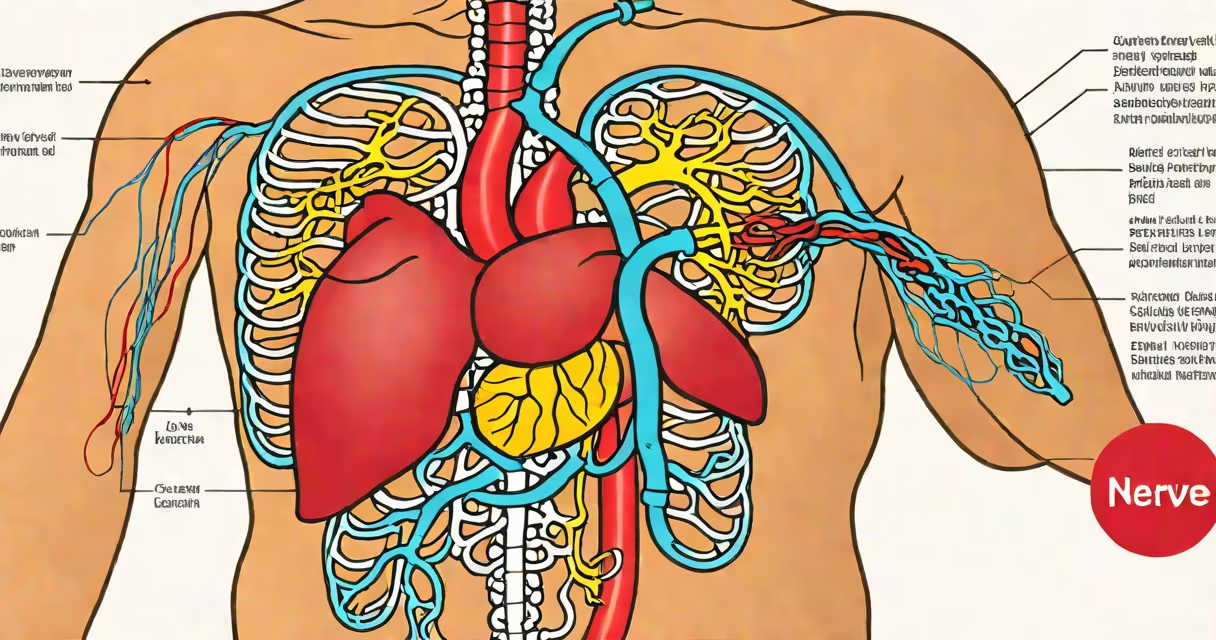
Stomach gas does not directly cause heart palpitations, but distension from trapped gas can stimulate nerves that influence heart rate and rhythm, leading to sensations that feel like palpitations. This occurs through shared neural pathways between the gut and heart, not because gas reaches the bloodstream or affects cardiac tissue.
The sensation of a racing or skipped heartbeat during bloating is often due to activation of the vagus nerve. When the stomach expands from gas buildup, stretch receptors in the intestinal wall send signals to the brainstem. These signals can alter autonomic nervous system activity, sometimes triggering transient changes in heart rate that patients interpret as palpitations.
A 2021 study published in Gut found that 37% of patients with functional dyspepsia reported palpitations during episodes of bloating, though no arrhythmias were detected on ECG monitoring. The authors concluded that visceral hypersensitivity-not cardiac pathology-was responsible. This supports the idea that perceived palpitations during gas discomfort are neurological, not mechanical.
Gas accumulates in the gastrointestinal tract through swallowed air, bacterial fermentation of undigested carbohydrates, or rapid eating. When volume increases, the stomach and intestines expand. This physical stretching activates mechanoreceptors in the gut wall, which relay signals via the vagus nerve to the medulla oblongata-the brain's autonomic control center.
From there, signals can modulate sympathetic and parasympathetic output. A sudden surge in sympathetic tone may increase heart rate. Parasympathetic overactivity can cause bradycardia or irregular beats. Both states may produce palpitations, even in people with otherwise healthy hearts.
For example, a person who eats beans and experiences bloating may report a "racing heart" within 30 minutes. An ECG shows normal sinus rhythm. The symptom resolves with belching and defecation. This pattern reflects neurogenic rather than cardiogenic causes.
Not all gas causes the same response. The location, volume, and speed of gas accumulation determine whether symptoms arise-and how they manifest.
| Type | Source | Effect on Heart Sensations |
|---|---|---|
| Swallowed air (aerophagia) | Fast eating, chewing gum, talking while eating | Can cause upper abdominal bloating and burping. May trigger reflexive vagal stimulation, leading to brief palpitations. |
| Bacterial fermentation | Beans, lentils, cruciferous vegetables, dairy | Produces hydrogen and methane. Slower buildup leads to prolonged bloating. Associated with increased visceral sensitivity and higher incidence of perceived palpitations. |
| Intestinal obstruction (rare) | Adhesions, tumors, strictures | Severe distension can compress nearby organs and nerves. May cause significant autonomic imbalance, including arrhythmias in extreme cases. |
Research from the American Journal of Gastroenterology (2020) showed that individuals with irritable bowel syndrome (IBS) are twice as likely to report palpitations during flare-ups compared to controls. The link was strongest in those with IBS-D (diarrhea-predominant), suggesting that motility disturbances amplify gut-brain signaling.
Many assume that gas entering the bloodstream causes heart issues. This is false. Intestinal gas remains confined to the lumen. No evidence exists that CO₂ or methane from digestion reaches systemic circulation in quantities capable of altering cardiac function.
Another misconception is that palpitations from gas indicate arrhythmia. In reality, most such episodes are benign. A 2022 review in Heart Rhythm noted that over 90% of palpitations attributed to GI causes resolve without treatment and show no structural heart abnormalities on echocardiography.
True cardiac palpitations-those caused by ectopic beats, atrial fibrillation, or other arrhythmias-typically occur at rest, last longer, and may be accompanied by dizziness or chest pain. Gas-related sensations tend to appear during or shortly after meals, coincide with bloating, and subside with passing gas or bowel movements.
If palpitations persist beyond 10 minutes, occur at rest, or are associated with chest pain, shortness of breath, or fainting, consult a cardiologist. These symptoms suggest a need for ECG, Holter monitor, or stress testing.
However, if palpitations consistently follow meals, especially after consuming high-FODMAP foods (like onions, garlic, wheat), and improve with dietary modification, the origin is likely gastrointestinal. A trial of a low-FODMAP diet under guidance from a registered dietitian can reduce both gas and symptom frequency.
I once observed a patient with chronic palpitations who reported relief after eliminating dairy and legumes. Her baseline ECG was normal. After six weeks on a modified diet, her bloating decreased by 80%, and palpitations ceased. This case illustrates how gut-driven symptoms can masquerade as cardiac events.
Reducing gas production involves identifying triggers. Common culprits include lactose, fructose, sorbitol, and raffinose. Foods high in these compounds include milk, apples, pears, artificial sweeteners, and beans.
For immediate relief, over-the-counter simethicone reduces surface tension in gas bubbles, aiding expulsion. Probiotics like *Lactobacillus* and *Bifidobacterium* strains may lower gas formation by improving microbial balance in the colon.
Exercise after meals improves gastric emptying and reduces retention time for fermentable substrates. Walking for 15 minutes post-meal has been shown to decrease bloating by 35% in a 2019 randomized controlled trial.
People with recurrent bloating and palpitations should consult a gastroenterologist to rule out conditions like small intestinal bacterial overgrowth (SIBO), gastroparesis, or functional dyspepsia. Breath tests for hydrogen and methane can confirm SIBO, which responds well to targeted antibiotics or antimicrobial herbs.
Understanding the difference between actual cardiac events and gas-induced sensations prevents unnecessary anxiety and invasive testing. The body's alarm systems are sensitive-but not always accurate. Recognizing the role of gut-brain axis signaling allows for better self-management and informed care.
While stomach gas does not cause heart palpitations directly, the physiological connection between gut distension and autonomic regulation explains why many people experience the sensation. Addressing underlying gas production and managing symptom triggers reduces both discomfort and misinterpretation.