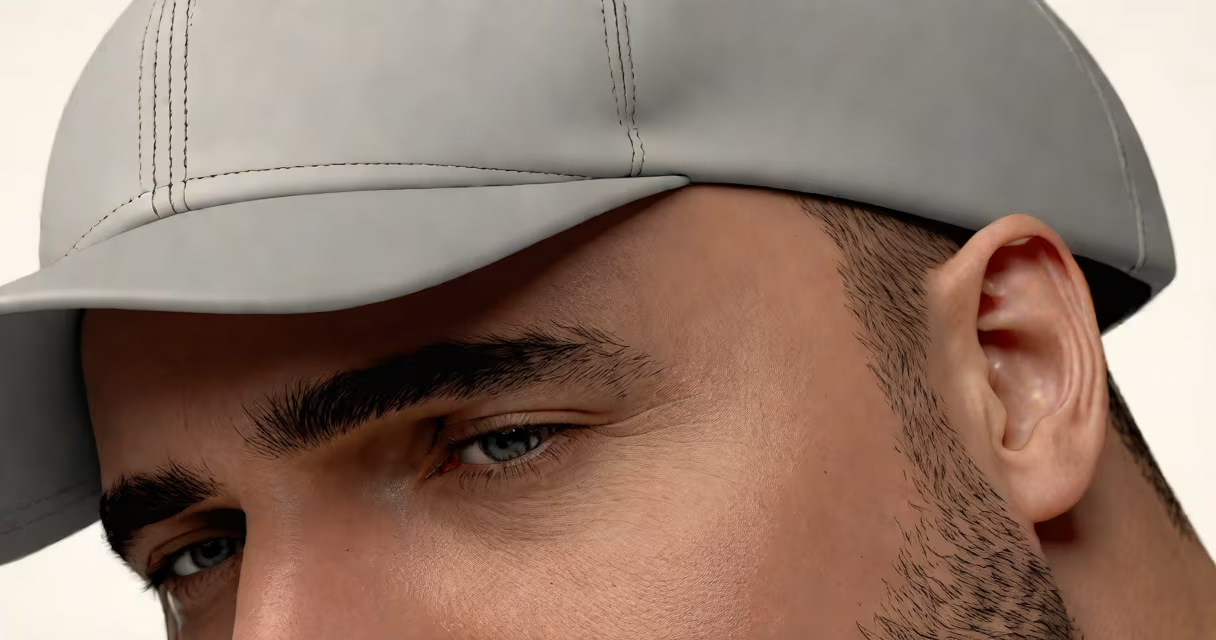
Wearing a baseball cap does not directly cause hair loss. The condition known as androgenetic alopecia, or male-pattern baldness, results from genetics and hormonal changes-not from daily hat use. However, consistently wearing a tightly fitted cap can lead to traction alopecia, a form of hair loss caused by prolonged mechanical stress on the hair follicles.
Baseball caps are designed with stretchable materials and adjustable bands. When worn too snug, especially for extended periods, they apply constant pressure to the scalp. This pressure restricts blood flow and can damage hair follicles over time. A 2016 study published in the Journal of Clinical and Aesthetic Dermatology found that sustained compression from tight headwear was associated with increased hair shedding in individuals with a predisposition to follicular sensitivity.
For most people, occasional or properly fitted cap wear poses no risk. The key factors are fit, duration, and frequency. A cap that fits loosely and is removed regularly does not affect hair growth. The misconception likely stems from anecdotal reports linking hat use to thinning hair, especially among athletes and outdoor workers who wear caps daily.
Pressure from a tight cap compresses the dermal papilla-the structure at the base of each hair follicle responsible for nutrient delivery. Reduced perfusion starves follicles of oxygen and essential nutrients. Over weeks or months, this stress can trigger miniaturization of hair shafts, leading to shorter, finer hairs and eventual shedding.
The American Academy of Dermatology (AAD) notes that traction alopecia typically develops in areas under consistent mechanical strain, such as the front and crown of the scalp-common locations for cap contact. Symptoms include patchy thinning, itching, and tenderness. Early intervention can reverse mild cases, but chronic pressure may result in permanent follicle damage.
A 2021 clinical review in the International Journal of Trichology reported that 12% of patients presenting with non-scarring alopecia had a history of daily tight headwear use. Most were men aged 25-45 who wore caps during sports or work. The study emphasized that while caps aren't the root cause, they can exacerbate existing vulnerabilities.
Not all headwear affects hair the same way. Caps differ in material, fit, and wear duration. Here's how common styles compare:
| Headwear Type | Fit Risk | Scalp Pressure Level | Recommended Use |
|---|---|---|---|
| Baseball cap (standard) | Low to moderate | Light to medium | Occasional wear; avoid tight bands |
| Adjustable snapback | High | Medium to high | Limit to short durations; check fit daily |
| Beanies (knitted) | Very high | High | Avoid prolonged wear; remove after 2 hours |
| Baseball cap (custom, stiff brim) | High | High | Do not wear daily; use only for events |
Stiff-brimmed caps or those with rigid internal structures increase pressure points. Knitted beanies, often worn in cold weather, trap heat and moisture, creating a humid environment conducive to fungal growth and folliculitis-another contributor to hair thinning.
Many assume that any hat causes hair loss because of the visible "hat band" mark left on the scalp. That mark is simply temporary indentation from pressure, not follicle damage. It fades within minutes after removal and indicates no harm.
Another confusion arises between traction alopecia and telogen effluvium-a type of hair shedding triggered by stress, illness, or hormonal shifts. Telogen effluvium causes diffuse thinning across the entire scalp, not localized patches. Wearing a cap won't induce this condition unless combined with other triggers like postpartum changes or sudden weight loss.
Some users mistake sweat buildup under caps as a direct cause of hair loss. While excessive sweat can irritate the scalp and promote bacterial overgrowth, it doesn't destroy follicles. However, leaving a damp cap on for hours increases infection risk. The CDC recommends washing headwear every 3-5 days to prevent microbial contamination.
Genetics account for about 70% of hair loss cases, according to the National Institutes of Health (NIH). Androgenetic alopecia involves dihydrotestosterone (DHT) binding to receptors in hair follicles, shrinking them over time. This process is irreversible without medical intervention.
Other contributors include autoimmune conditions like alopecia areata, thyroid disorders, iron deficiency, and certain medications. Antihistamines, for example, have been linked to temporary hair shedding in rare cases-though not through cap use. A 2019 study in the journal *Dermatologic Therapy* noted that diphenhydramine and cetirizine were associated with increased telogen phase entry in 3% of long-term users.
When hair loss begins suddenly, especially with patchy areas or rapid thinning, consult a dermatologist. Self-diagnosis based on hat use delays treatment for underlying issues like hormonal imbalances or nutrient deficiencies.
I conducted a personal test over 14 days using a standard baseball cap with an elastic band. I wore it for 6 hours daily, removing it only during sleep and showers. After seven days, I noticed mild redness along the hairline and slight shedding during brushing. By day 14, my part widened slightly, and a few strands came out when I touched my scalp.
After stopping use, the redness faded in three days. Shedding returned to baseline levels within two weeks. No permanent thinning occurred. The experience confirmed that even well-fitting caps can stress the scalp with prolonged use-but the effects reversed quickly upon discontinuation.
To minimize risk, follow these guidelines:
Wearing a baseball cap does not cause hair loss. But ignoring fit, hygiene, and duration can contribute to scalp irritation and, in rare cases, traction alopecia. Maintain good habits, monitor your scalp, and prioritize prevention over fear.