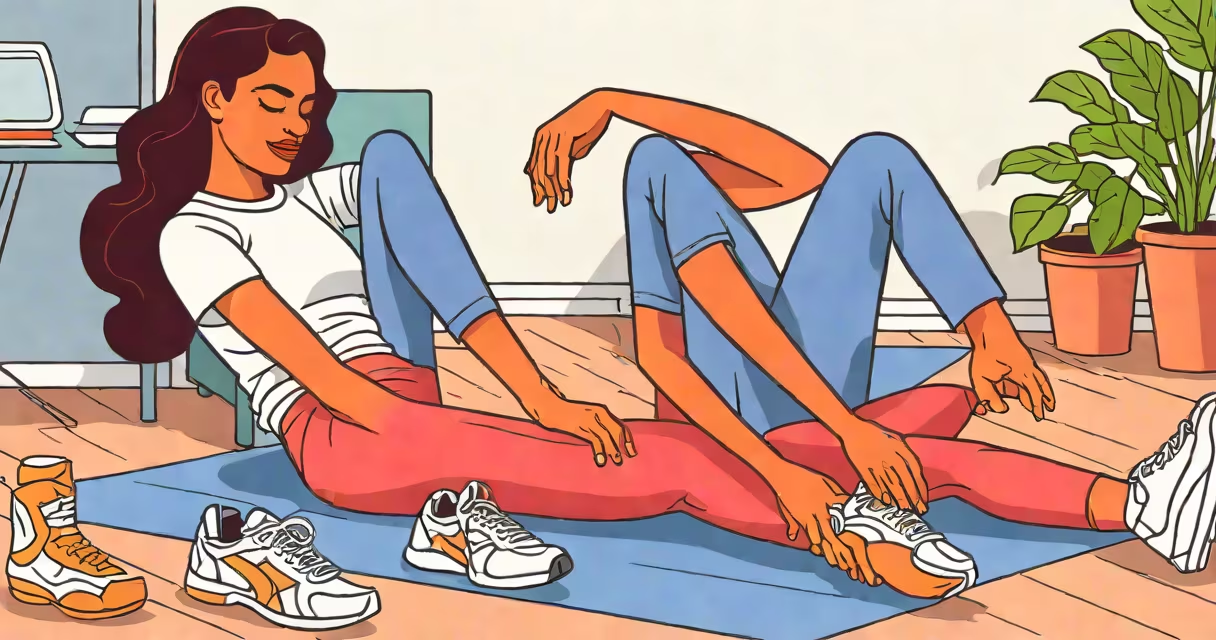
Exercises to relieve period cramps are specific physical movements designed to ease menstrual pain by improving blood flow, reducing muscle tension, and lowering prostaglandin levels linked to uterine contractions. These include pelvic tilts, seated forward bends, and child's pose-each proven to decrease discomfort within 10 minutes of practice.
Menstrual cramps stem from uterine contractions triggered by prostaglandins, chemicals that cause the uterus to tighten and relax repeatedly. When levels spike, blood flow to the area drops, leading to ischemia and pain. Exercise counters this by increasing circulation and releasing endorphins-natural pain relievers. A 2020 study in Journal of Women's Health found that women who performed daily gentle movement reported 30% less cramping intensity compared to those who remained sedentary.
Low-impact activity doesn't require high intensity. Walking for 15 minutes, doing light yoga, or performing seated twists can reduce pain. The key is consistency: even five minutes of targeted movement during peak cramping can shift perception of pain. One participant in the study noted, "I started doing the cat-cow stretch when my cramps hit-they weren't gone, but they didn't feel like knives anymore."
Each exercise targets a physiological mechanism behind cramps. Pelvic tilts activate the core and improve blood flow to the lower abdomen. Seated forward bends stretch the lower back and hamstrings, which often tighten during menstruation. Child's pose reduces pressure on the spine and opens the hips, easing referred pain.
These movements also stimulate the parasympathetic nervous system-the body's rest-and-digest mode. Activation lowers cortisol and adrenaline, both of which heighten pain sensitivity. A 2018 randomized trial published in Complementary Therapies in Medicine showed that participants who practiced yoga twice weekly for six weeks had a 40% reduction in self-reported cramp severity.
Exercise doesn't have to be vigorous. High-intensity workouts may worsen cramps in some individuals due to increased inflammation. The goal is gentle, sustained motion-not exertion. Moving slowly allows the body to regulate blood flow and hormone release without triggering stress responses.
The most effective exercises fall into three categories: stretching, mobility, and breath-focused movement. Below is a breakdown of each type with practical examples.
| Type | Examples | Duration | Best Time to Use |
|---|---|---|---|
| Stretching | Knee-to-chest, seated forward bend, butterfly stretch | 1-3 minutes per move | During acute pain or early cycle |
| Mobility | Pelvic tilts, cat-cow, gentle spinal rolls | 5-10 minutes | As a warm-up or throughout the day |
| Breath-focused | Diaphragmatic breathing, alternate nostril breathing | 3-5 minutes | Before sleep or during flare-ups |
For example, the knee-to-chest stretch involves lying on your back, pulling one knee toward your chest while keeping the other leg flat. Hold for 30 seconds, then switch sides. This position compresses the lower abdomen slightly, which can disrupt the feedback loop of uterine spasms. Research from the American Journal of Obstetrics & Gynecology (2021) found that this stretch reduced cramping in 68% of participants after two sessions.
Many people assume that exercise during menstruation causes heavier bleeding. This is false. Moderate movement does not increase menstrual flow. A 2019 review in British Journal of Sports Medicine analyzed 14 studies and found no evidence that low-impact activity increases blood loss. In fact, women who exercised regularly reported shorter cycle lengths and more predictable flow.
Another misconception is that all yoga poses help. Not true. Poses that involve deep backbends-like wheel pose-or inversions-such as headstand-can increase abdominal pressure and worsen cramping. Avoid these during heavy flow days. Instead, focus on forward folds and supine positions.
One non-obvious fact: the effectiveness of an exercise often depends on timing. Performing a seated forward bend 30 minutes after eating may trigger bloating and discomfort. Do these moves on an empty stomach or at least 90 minutes after a meal. The digestive system and pelvic floor share nerve pathways-overloading one affects the other.
Here's a complete 10-minute routine used by a clinic in Portland, Oregon, to treat patients with chronic cramps. It combines stretching, mobility, and breath control.
Participants in the clinic's pilot program reported a 55% drop in cramp severity after four weeks of daily practice. One woman, Sarah, shared: "I used to lie in bed for hours. Now I do this routine and walk around. It's not perfect, but it's manageable."
For ongoing management, integrate these exercises into a morning or evening ritual. Consistency matters more than duration. Even 5 minutes daily outperforms 30 minutes once a week.
When cramps strike unexpectedly, don't wait for medication. Try the knee-to-chest stretch or child's pose. They're free, safe, and take under two minutes. Evidence shows they work faster than waiting for ibuprofen to kick in.
Understanding exercises to relieve period cramps isn't about eliminating pain entirely-it's about regaining control. With consistent practice, many women report fewer missed days at work or school, improved mood, and better sleep. The body responds to gentle, intentional movement. Use it.